Cycling for beginners: 10 easy cycle routes for your first trip [2026]
Cycling in Europe does not have to mean steep climbs, long daily distances or weeks of preparation. Many of the continent's popular cycle routes follow rivers, former railway lines and quiet valleys, offering flat terrain, good surfaces and plenty of places to stop along the way. They are ideal for a first cycling holiday, but also for anyone who simply prefers relaxed touring without demanding mountain stages. Good infrastructure, easy navigation and convenient access by train can make such a journey surprisingly simple to organise. And for those who prefer to leave the planning to someone else, many cycling tour operators offer organised or self-guided trips along Europe's most popular routes.
Join us on our new 🟢 Komoot account!
Cycling Partners



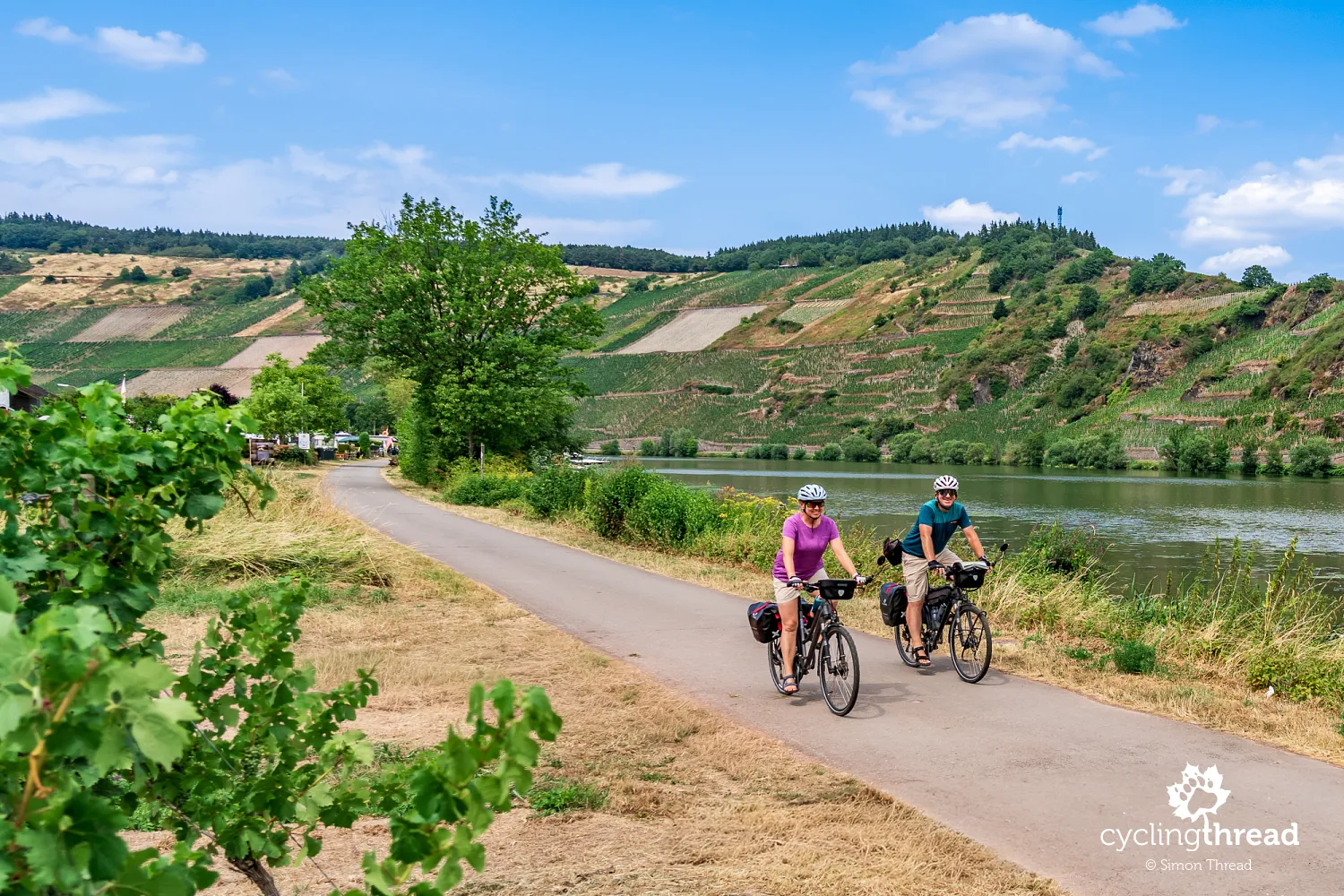
The routes in this list are among the best choices for cyclists planning their first multi-day journey in Europe. All are flat, run largely on dedicated cycle paths or quiet roads, and offer accommodation, restaurants and railway stations at convenient intervals. They also allow daily distances to be adjusted easily, so there is no need to plan ambitious stages from the beginning. Some follow major European rivers, others cross famous wine regions or use old railway corridors where gradients are naturally gentle. These are routes where the cycling itself rarely becomes the main challenge, leaving more time and energy for enjoying the landscapes, towns and local attractions along the way.
10 cycle routes for your first cycling holiday:
- Altmühl Valley Cycle Route (Altmühltal-Radweg) - Germany
- Baltic Sea Coast Cycle Route (Ostseeküsten-Radweg) - Germany
- Drava Cycle Route (Drauradweg) - Austria
- Elbe Cycle Route (Elberadweg) - Germany
- Havel Cycle Route (Havel-Radweg) - Germany
- Kempen Route - Belgium
- Loire by Bike (La Loire à Vélo) - France
- Meuse Cycle Route (La Meuse à Vélo) - Belgium
- Moselle Cycle Route (Mosel-Radweg) - Germany
- Waterline Route (LF Waterlinieroute) - the Netherlands
Don’t forget to follow us on Facebook and Instagram!
All photos by Simon Thread, Cycling Thread.
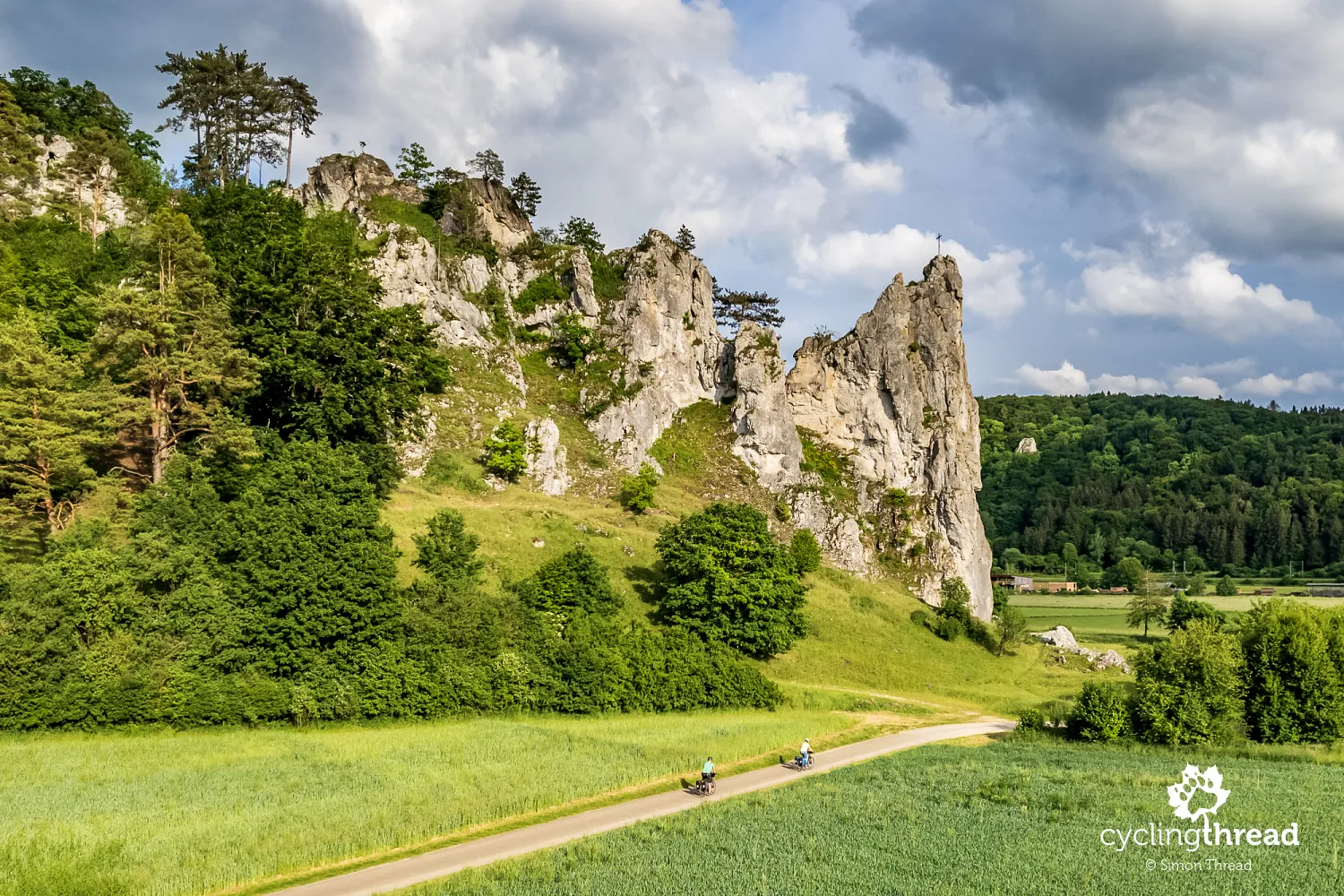
Altmühl Valley Cycle Route (Altmühltal-Radweg) - Germany
The Altmühl Valley Cycle Route is a particularly accessible way to discover the historic and natural landscapes of southern Germany by bike. The main challenge comes before Rothenburg ob der Tauber, where a noticeable climb leads towards the European Watershed, but after that the route becomes much easier and settles into the broad Altmühl valley. From there, it follows the river through limestone scenery, open countryside and small towns, mostly on dedicated cycle paths or very quiet local roads. Treuchtlingen, Eichstätt and Beilngries offer regular opportunities for sightseeing, meals and overnight stops. The final kilometres towards Kelheim and the Danube continue through gentle terrain in one of Bavaria's best-developed cycling regions.
More: Altmühl Valley Cycle Route in Germany
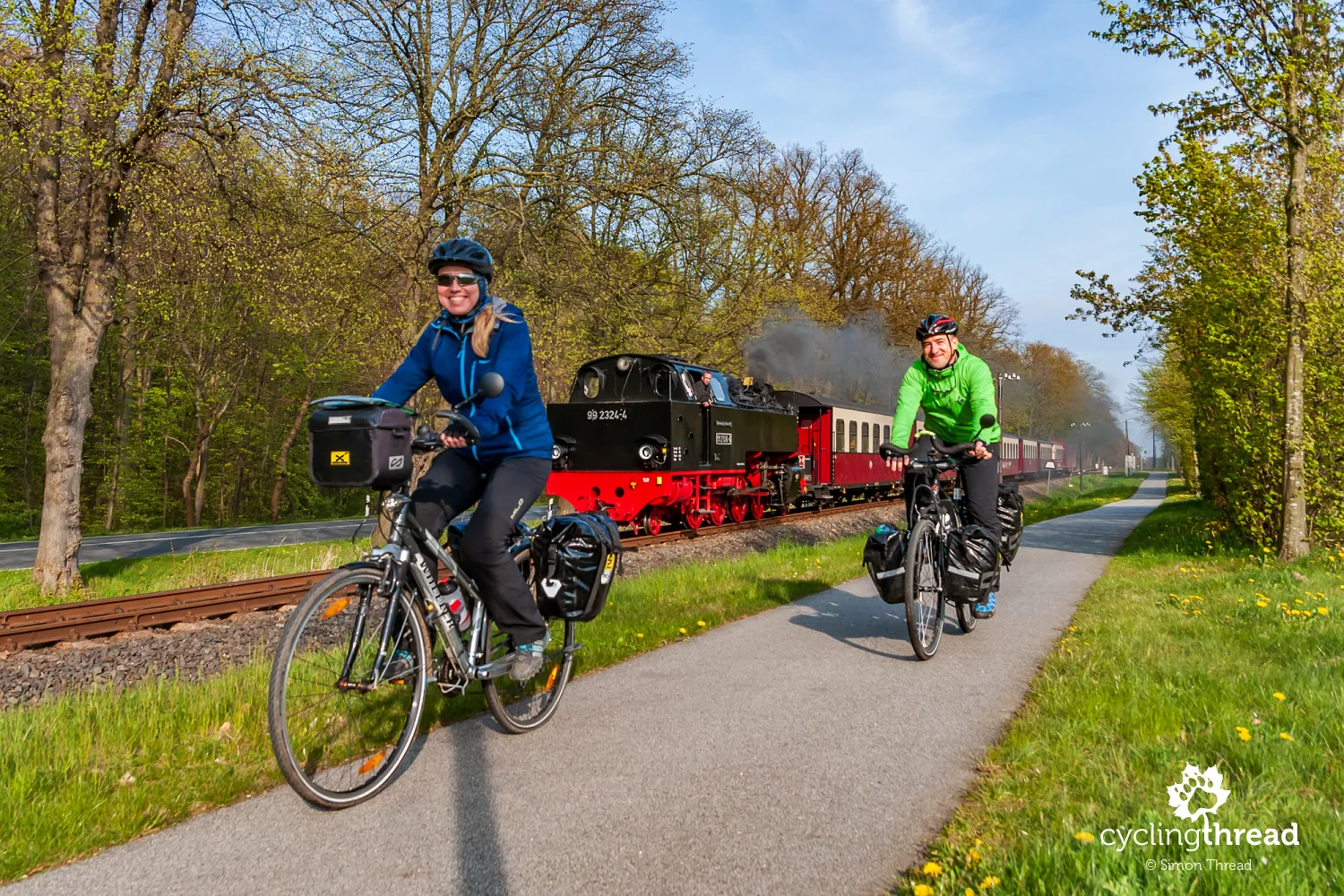
Baltic Sea Coast Cycle Route (Ostseeküsten-Radweg) - Germany
The Baltic Sea Coast Cycle Route combines an easy cycling profile with some of the most attractive coastal scenery in northern Germany. The route stays largely flat as it moves between sandy beaches, cliffs, coastal forests and quiet countryside, with much of the riding taking place on cycle paths or low-traffic roads. Frequent towns and seaside resorts make daily stages easy to adjust, while Lübeck, Wismar, Rostock and Stralsund provide plenty of sightseeing without requiring long detours. Ferries and short changes of landscape add variety rather than difficulty to the journey, and services are rarely far away. As part of EuroVelo 10, it is also very easy to extend the trip along the Baltic coast.
More: Baltic Sea Coast Cycle Route in Germany
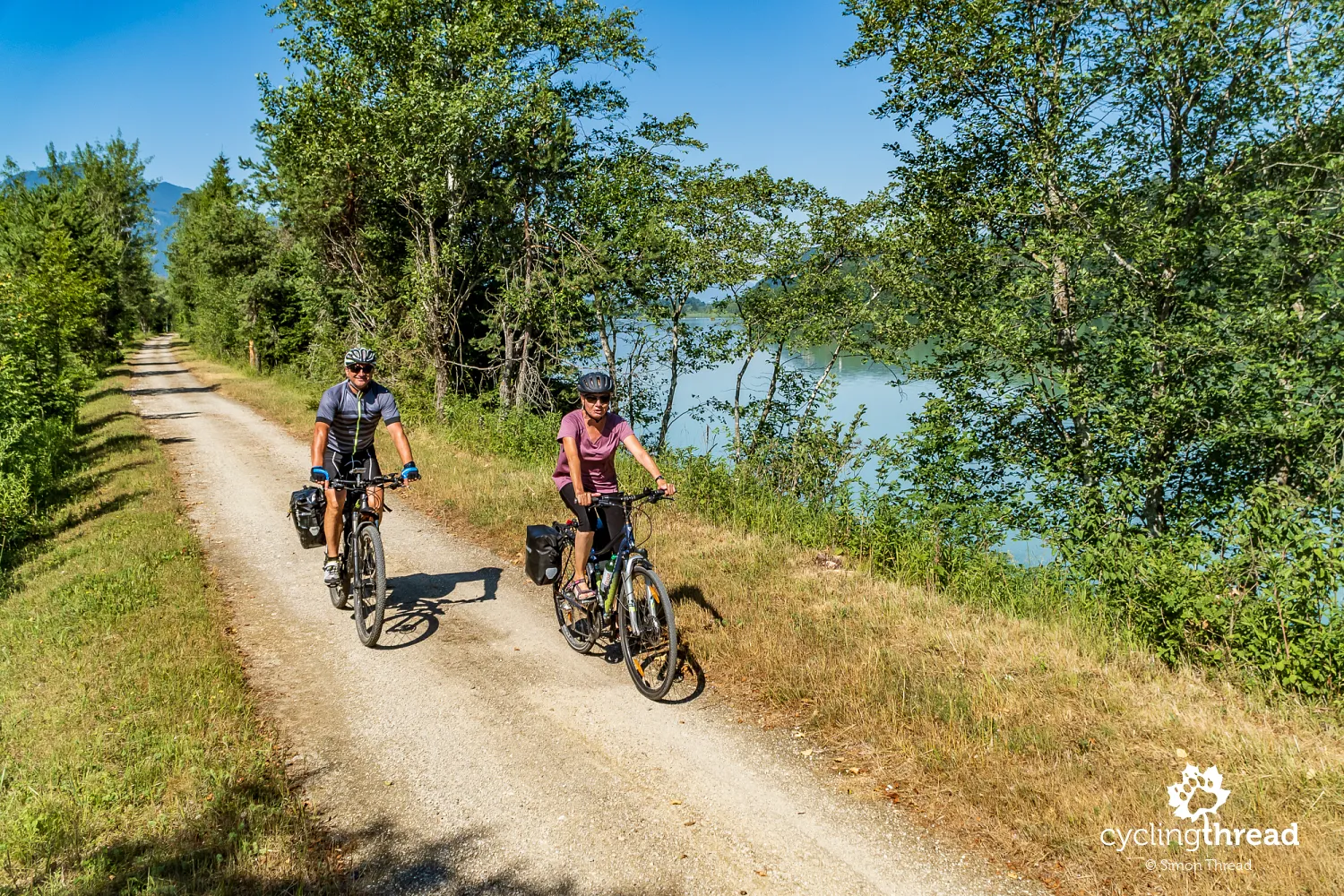
Drava Cycle Route (Drauradweg) - Austria
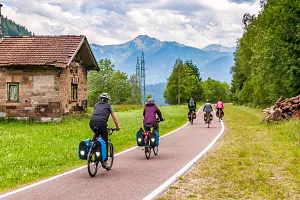
The Drava Cycle Route offers surprisingly gentle cycling despite running through an Alpine landscape between Italy, Austria, Slovenia and Croatia. Starting near Toblach, the route follows the river through East Tyrol and Carinthia, where long sections use separate asphalt or compact gravel cycle paths away from road traffic. The river valley keeps the profile flat and predictable, so the surrounding mountains provide scenery rather than serious climbing. Towns such as Villach give cyclists easy access to accommodation, food, railway connections and other major cycling routes. Clear routing and well-developed infrastructure make it possible to concentrate on the landscapes and stops along the Drava instead of navigation or difficult riding.
More: Drava Cycle Route in Austria
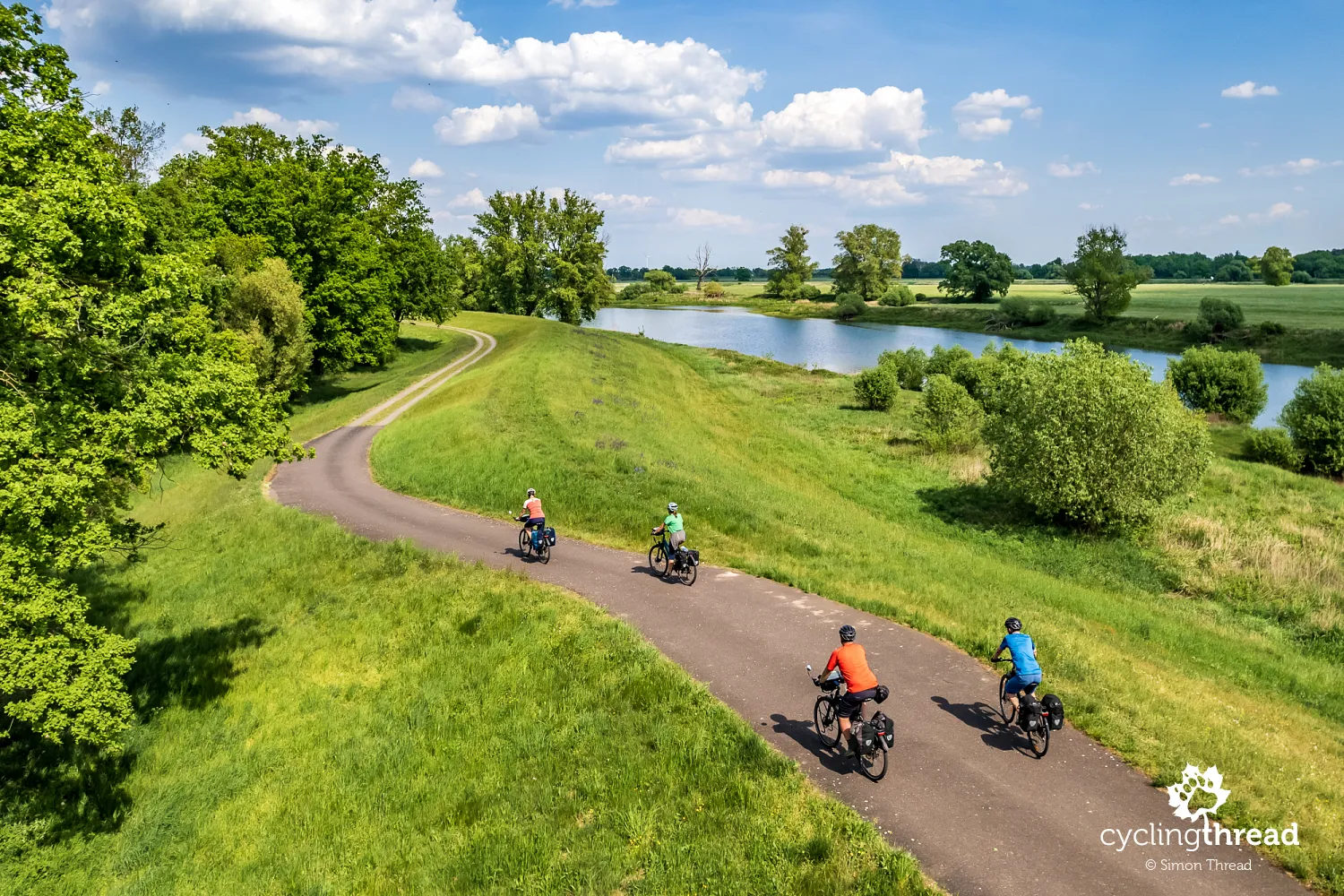
Elbe Cycle Route (Elberadweg) - Germany
The Elbe Cycle Route is one of the easiest ways to experience a classic long-distance river journey in Germany. Between Dresden and Magdeburg, the route stays flat as it follows the Elbe through vineyards, historic towns and the UNESCO-listed Dessau-Wörlitz Garden Realm, usually on asphalt or compact gravel paths. Much of the cycling takes place directly beside the river or across wide floodplains, with little interaction with busy traffic and almost no reason to think about climbing. Small ferries provide simple crossings, while reliable signs keep navigation uncomplicated throughout the section. Accommodation, cafés, railway stations and places to stop appear frequently enough to make daily distances flexible rather than something that needs to be planned precisely in advance.
More: Elbe Cycle Route in Germany
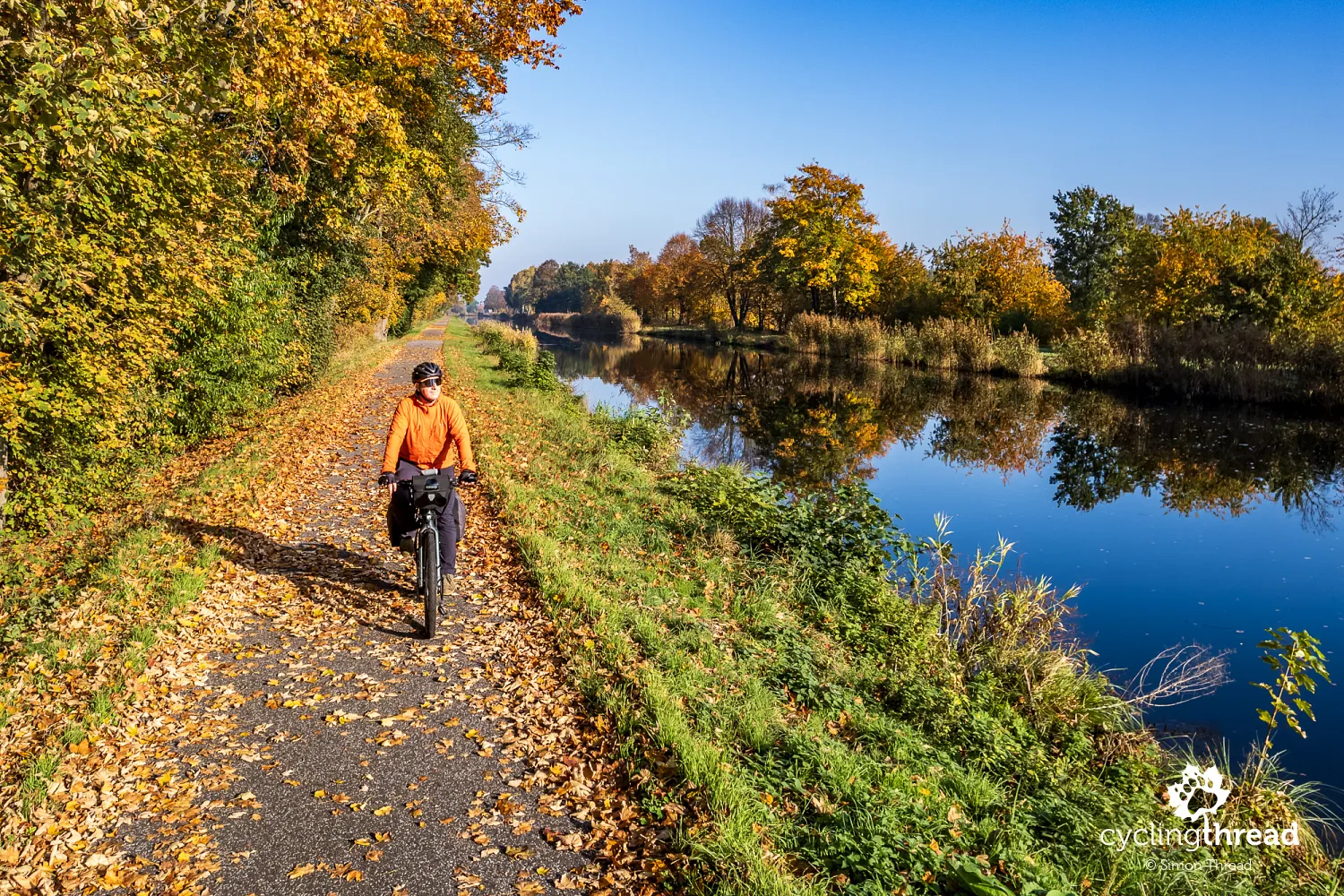
Havel Cycle Route (Havel-Radweg) - Germany
The Havel Cycle Route follows the Havel through the lake-filled landscapes of northeastern Germany, offering calm and uncomplicated cycling for most of its journey towards the Elbe. Across Brandenburg, the route stays flat and moves between rivers, forests, lakes and open countryside using paved cycle paths, quiet roads and well-maintained unpaved sections. Traffic is generally limited, navigation is straightforward and there are no major climbs to interrupt the rhythm of a relaxed touring day. Small towns and larger historic centres appear regularly enough to provide food, accommodation and natural places to divide the journey into manageable stages. Long waterside stretches and the absence of demanding terrain make it easy to ride at an unhurried pace without sacrificing the feeling of a proper multi-day cycling trip.
More: Havel Cycle Route in Germany (coming soon) 👇
Follow us on Facebook and Instagram to be notified!
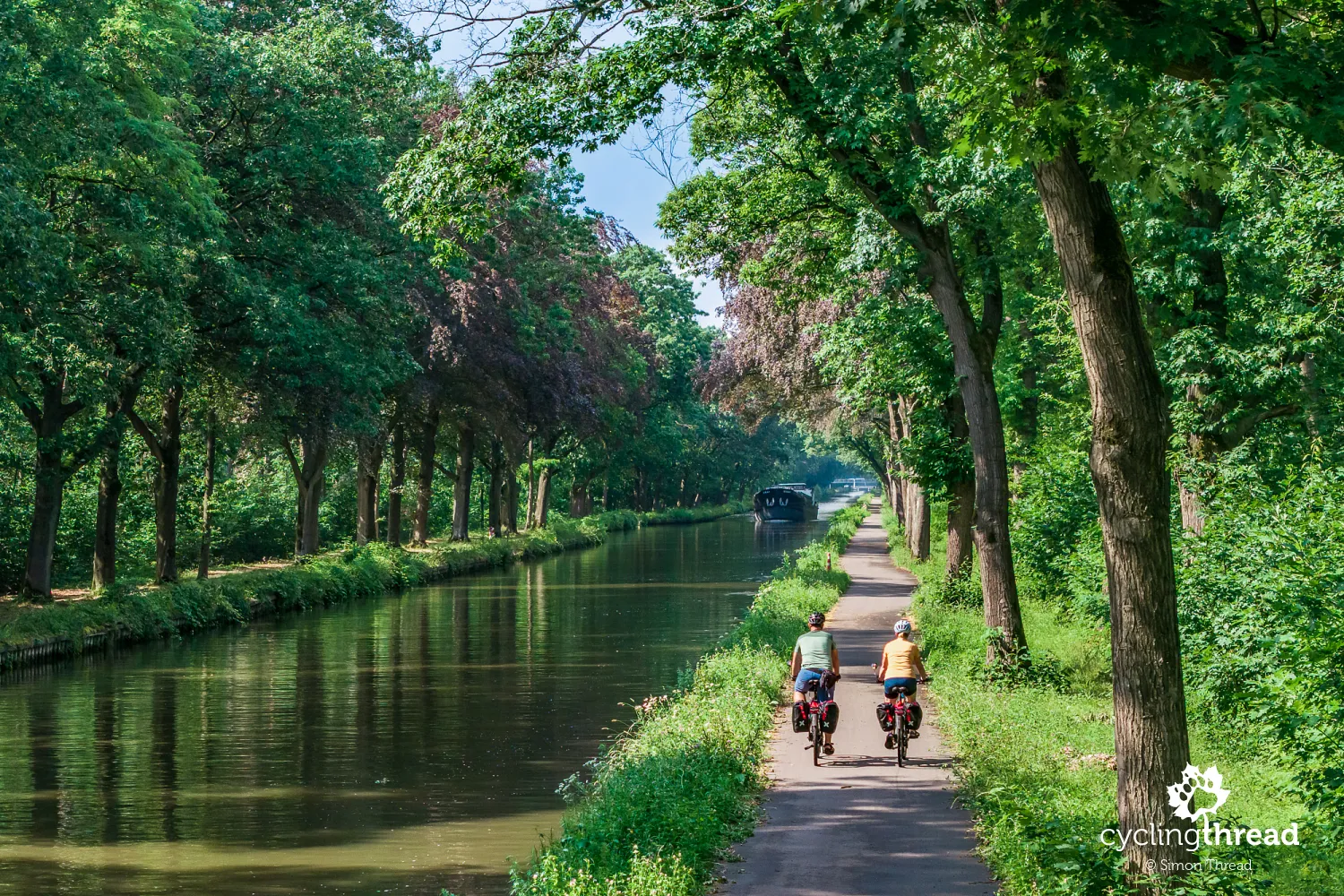
Kempen Route - Belgium
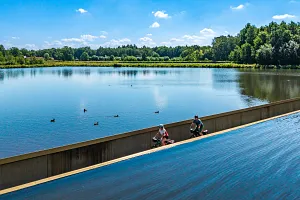
The Kempen Route crosses the flat landscapes of northern Belgium, offering particularly easy and comfortable conditions for a first cycling holiday. Running through Limburg and Antwerp Province, it combines forests, heathlands, canals and quiet countryside with some of the most distinctive cycling infrastructure in Flanders. Long sections use dedicated cycle paths separated from road traffic, while attractions such as Cycling through the Water at Bokrijk and Cycling through the Trees near Bosland make the infrastructure itself part of the experience. The almost completely flat profile, excellent surfaces and dense Belgian cycle node network keep both riding and navigation straightforward. Towns and villages appear frequently along the way, with plenty of places for food and accommodation.
More: Kempen Route in Belgium
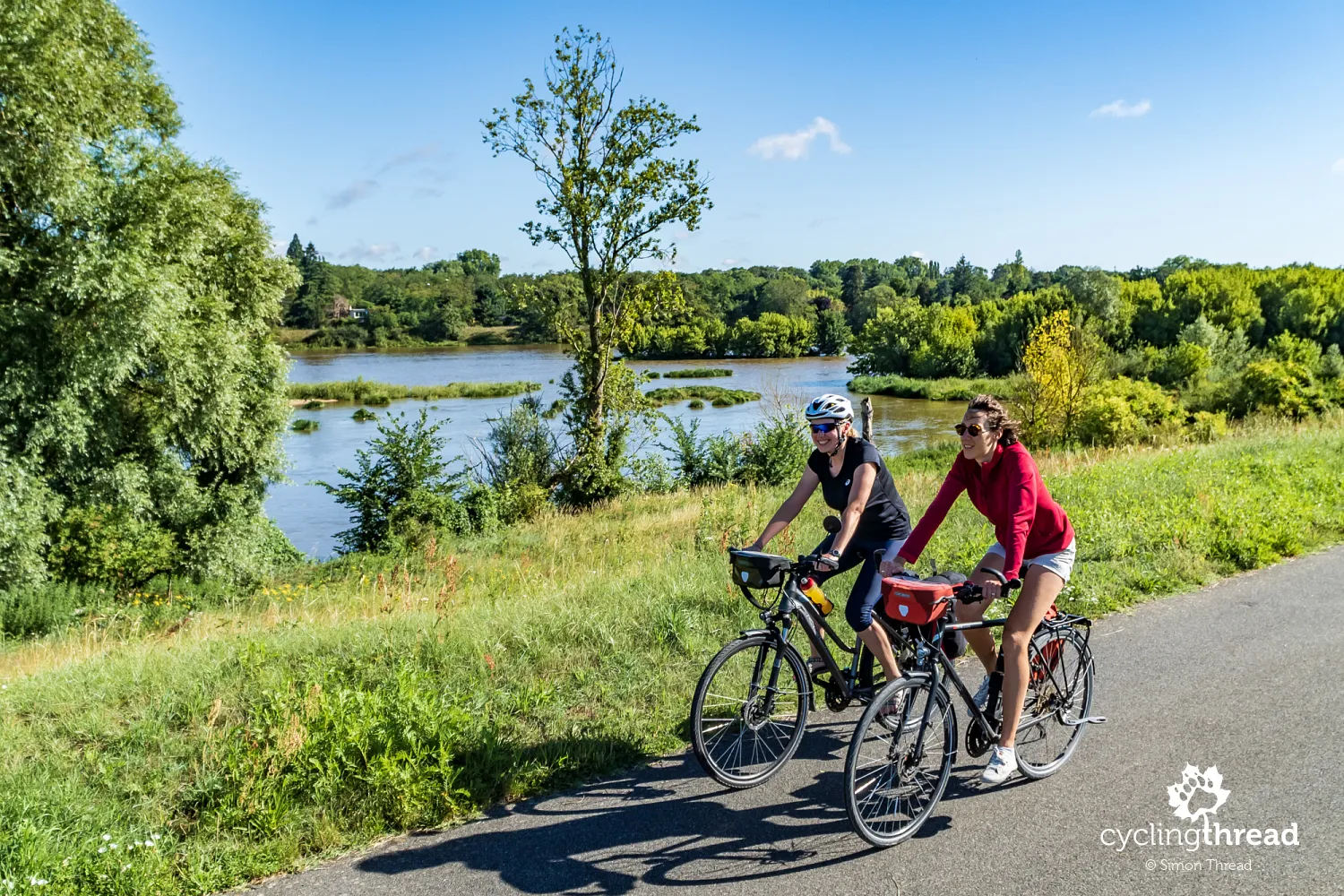
Loire by Bike (La Loire à Vélo) - France
Loire by Bike is one of the most convenient introductions to multi-day cycling in France, following a flat river valley through a region packed with historic places. Orléans, Blois, Amboise, Tours and Angers provide frequent stops, so daily distances can be kept short without leaving long gaps between accommodation, restaurants or railway connections. The route alternates between dedicated asphalt and gravel cycle paths and quiet public roads, with little need to deal with steep gradients or difficult surfaces. Castles, vineyards, villages and riverside landscapes give every stage plenty of reasons for breaks, which suits a slower first cycling holiday particularly well. A mature network of cyclist-friendly services makes luggage transport, bike rental and organised self-guided trips widely available along the Loire.
More: Loire by Bike in France
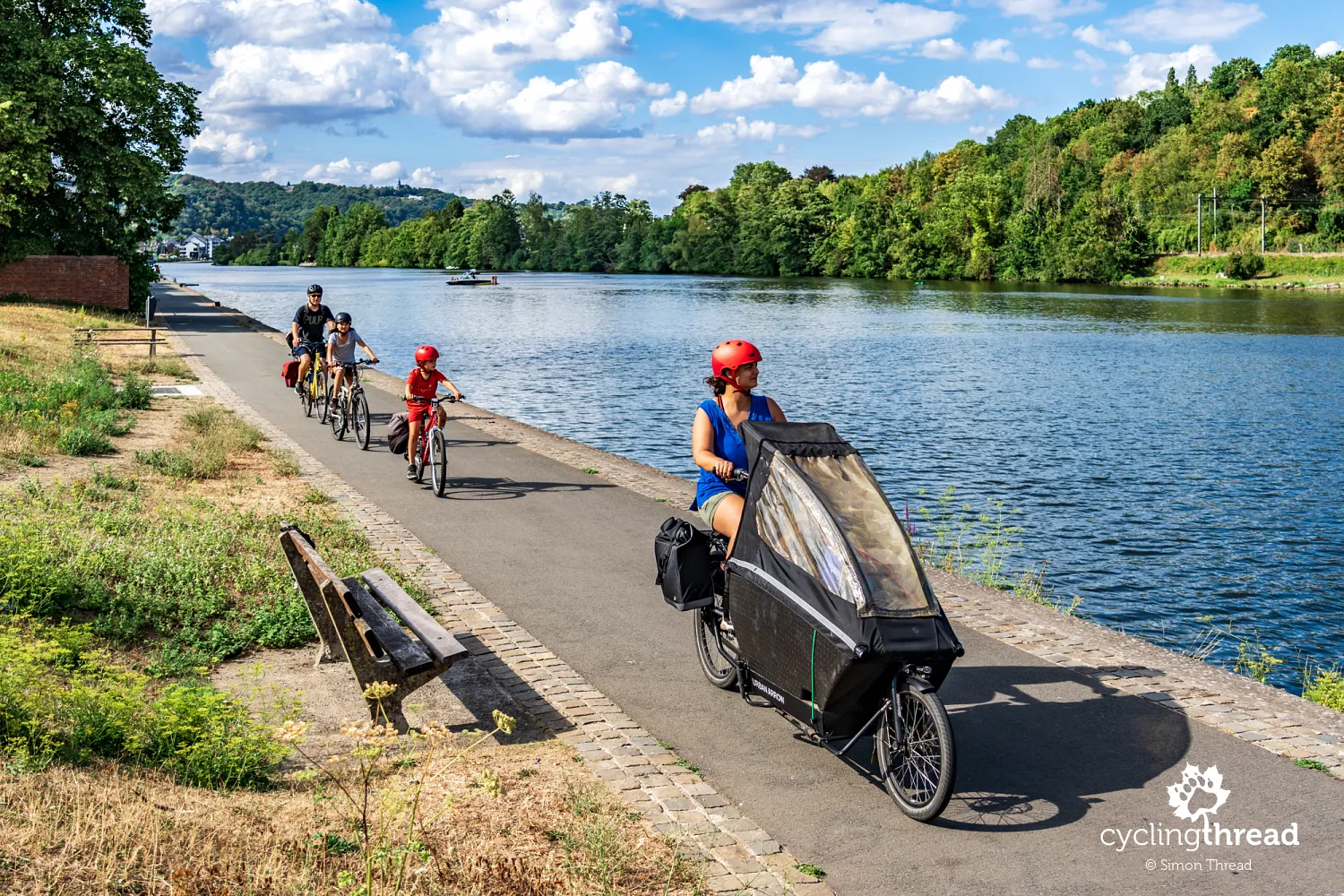
Meuse Cycle Route (La Meuse à Vélo) - Belgium
The Meuse Cycle Route through Belgium is a very straightforward river journey across Wallonia, with long stretches running directly beside the water on paths separated from motor traffic. The flat valley floor allows cyclists to move between Dinant, Namur, Huy and Liège without significant climbs, even though green hills and cliffs rise dramatically around the route. Former industrial roads, towpaths and modern cycleways create a continuous and comfortable corridor through a landscape shaped by shipping and heavy industry. Locks, bridges, quarries and former factories appear alongside citadels and historic town centres, giving frequent reasons to stop without complicated detours. Railway connections along the valley also make shorter stages or changes of plan relatively easy.
More: Meuse Cycle Route in Belgium (coming soon) 👇
Follow us on Facebook and Instagram to be notified!
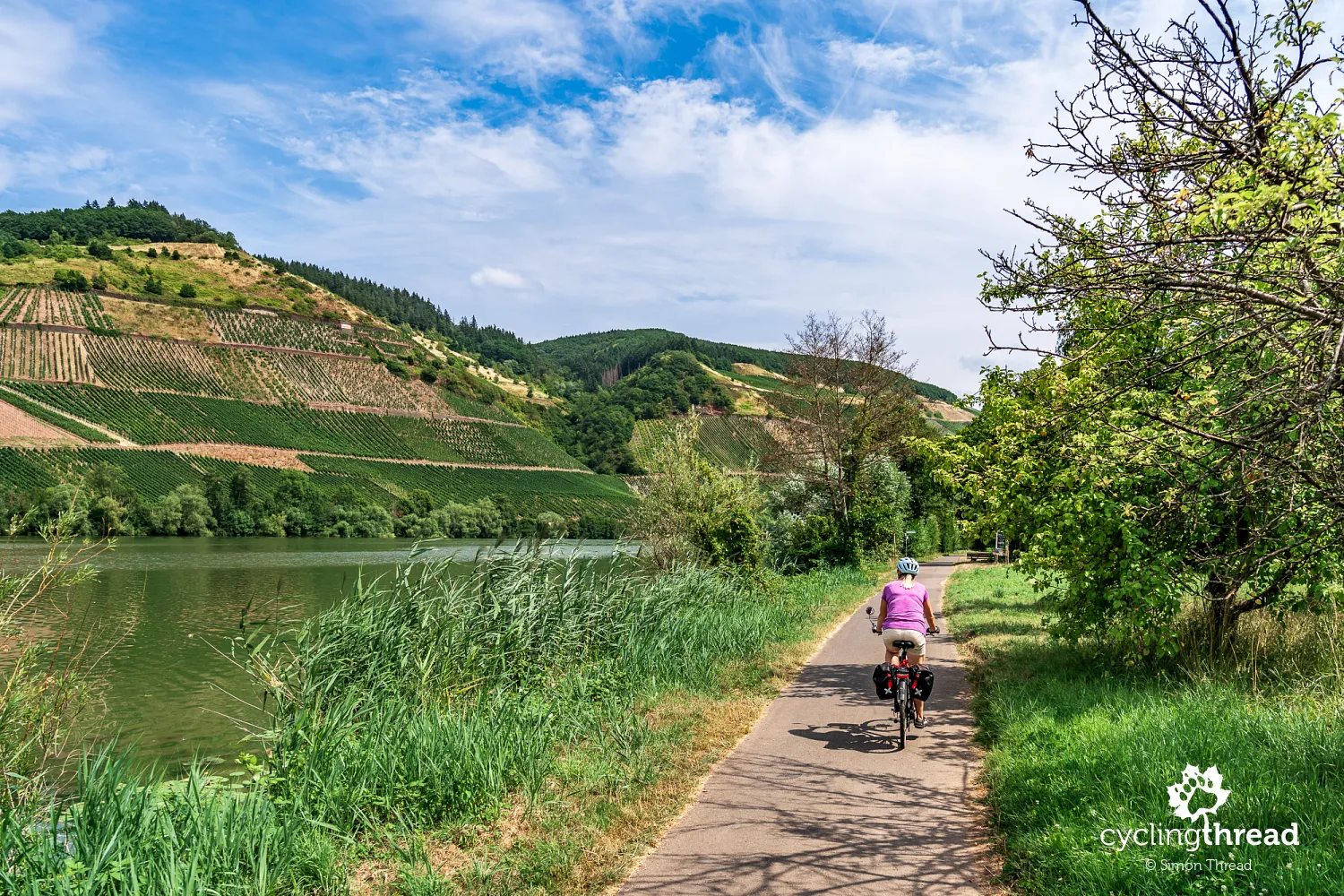
Moselle Cycle Route (Mosel-Radweg) - Germany
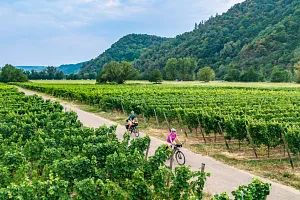
The Moselle Cycle Route is one of the most comfortable long-distance rides in Germany, following the river through a valley where the steep hills remain almost entirely in the scenery. Between Trier and Koblenz, cyclists stay close to the water on a flat route that passes wine villages, historic towns and the long bends of the Moselle without requiring serious climbing. Many sections are separated from busy roads, while the dense sequence of settlements means food, accommodation and railway stations are available at short intervals. Roman heritage, castles and wineries provide natural stops throughout the day, making it unnecessary to cover large distances to keep the journey interesting. Even inexperienced touring cyclists can divide the valley into short, comfortable stages.
More: Moselle Cycle Route in Germany
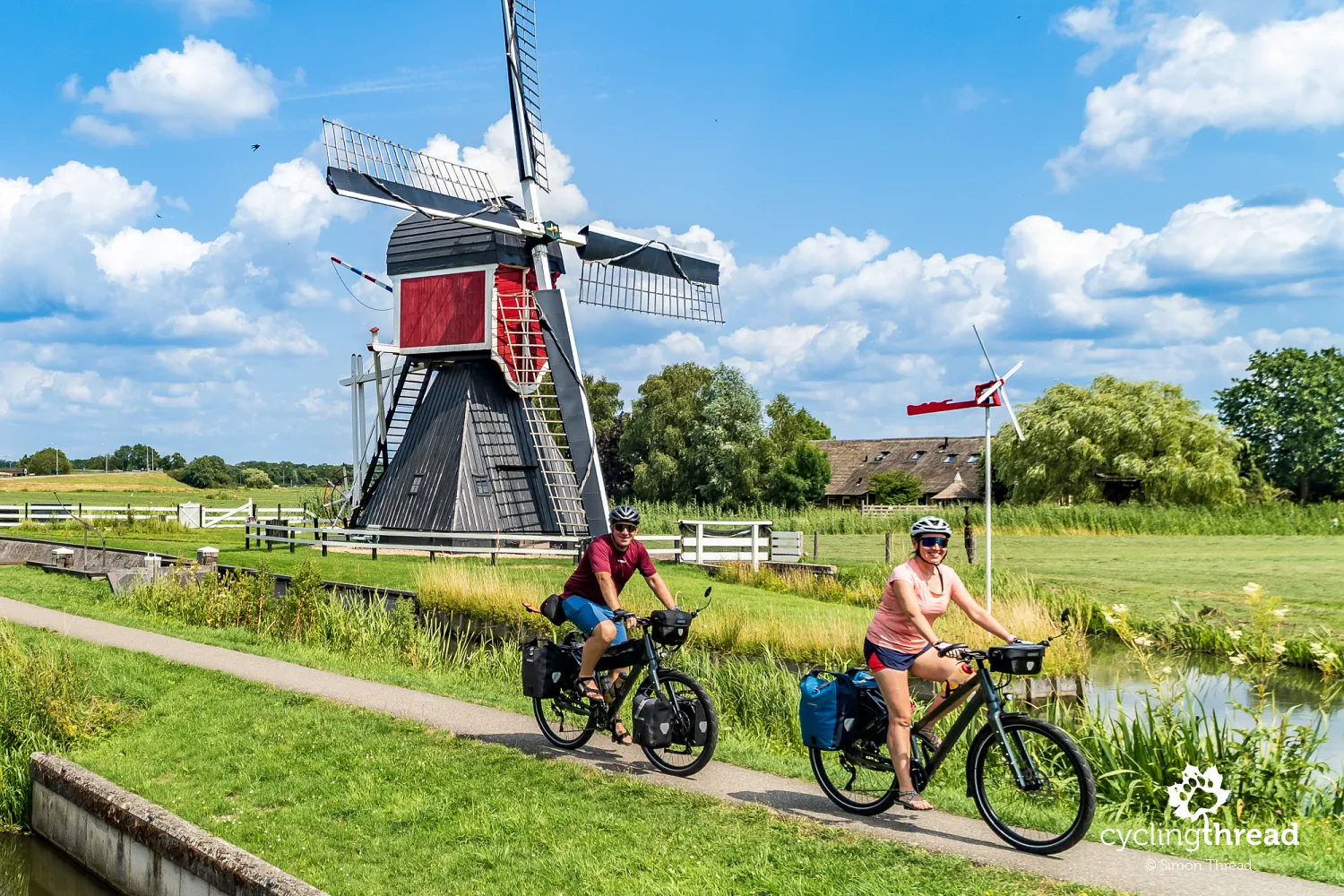
Waterline Route (LF Waterlinieroute) - the Netherlands
The Waterline Route combines the exceptionally easy cycling conditions of the Netherlands with the history of an unusual defensive system based on controlled flooding. From Amsterdam through Utrecht to Breda, the route remains flat and makes extensive use of the country's separated cycle paths, quiet roads and carefully designed crossings. Forts, bunkers and canals appear regularly between wetlands, green countryside and small towns, so there is little need for long or demanding stages. Dutch cycling infrastructure keeps interaction with motor traffic to a minimum and makes navigation through larger towns much less stressful than in many other countries. Several former forts now contain museums, restaurants or accommodation, allowing the military history of the Waterline to become part of the journey itself.
More: Waterline Route in the Netherlands
Back to topHave a safe ride! 💚
Simon Thread
(Szymon Nitka)
I'm a passionate cycling traveler and the voice behind Cycling Thread. I explore Europe on two wheels, documenting the most scenic routes, inspiring places and cyclist-friendly practices. My writing blends personal experience with practical insights and a deep love of travel. I'm also a contributor to National Geographic Traveler magazine.