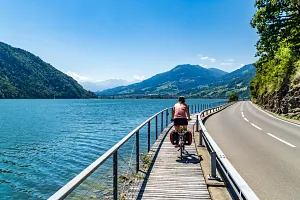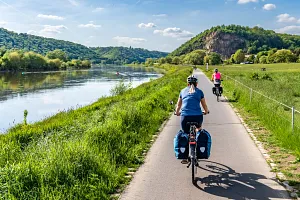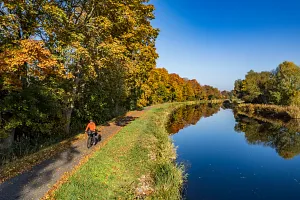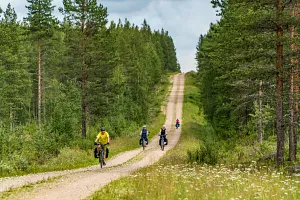
The best of cycling tourism: top 21 cycle routes to explore [2026]
Cycling tourism offers a wide range of well-prepared routes, each with its own charm and scenery. In many countries, there are special paths made just for cyclists, separated from car traffic to make riding safer and more enjoyable. Some of the most popular routes follow quiet rivers or run along old railway tracks turned into cycle paths. These routes take you through beautiful landscapes, past local sights, small towns and places where you can try regional food. Every year, we explore new places and update this guide to help you find the best cycling routes for your next trip.
Join us on our new 🟢 Komoot account!
Cycling Partners



How is our ranking created? Each cycle route is rated in seven categories, with scores ranging from 1 to 10 points. The categories are: the amount and quality of cycling infrastructure along the route, sightseeing value, scenic appeal, accessibility by train (at the start, finish and intermediate points), food and accommodation facilities, availability of informational materials, and our subjective evaluation. The infrastructure category is weighted 1.5 times because it directly affects cyclists' safety and comfort.
The best bicycle routes in Europe we've ridden:
- Alpe-Adria Bicycle Route (Ciclovia Alpe-Adria, Alpe-Adria Radweg) - Austria & Italy
- Moselle Cycle Route (Mosel-Radweg) - Rhineland-Palatinate, Germany
- Lakes Route (Seen-Route) - Switzerland
- Loire by Bike (La Loire à Vélo) - Loire Valley, France
- Rhine Cycle Route (Rhein-Route) - Switzerland
- Drava Cycle Route (Drauradweg) - Carinthia, Austria
- Kempen Route (Kempenroute) - Flanders, Belgium
- Havel Cycle Route (Havel-Radweg) - Brandenburg, Germany
- Main Cycle Route (Mainradweg) - Franconia, Germany
- Ruhr Valley Cycle Route (Ruhrtalradweg) - North Rhine-Westphalia, Germany
- North-South Route (Nord-Süd-Route) - Switzerland
- Meuse by Bike (La Meuse à Vélo) - Wallonia, Belgium
- Baltic Sea Coast Cycle Route (Ostseeküsten-Radweg) - Germany
- Altmühl Valley Cycle Route (Altmühltal-Radweg) - Franconia, Germany
- Tour Brandenburg - Brandenburg, Germany
- Elbe Cycle Route (Elberadweg) - Germany
- Velo Dunajec - Małopolska, Poland
- Velo Baltica (EuroVelo 10/13) - West Pomerania, Poland
- Waterline Route (LF Waterlinieroute) - the Netherlands
- Around the Luberon by Bicycle (Autour du Luberon à vélo) - Provence, France
- Castle Route (Herregårdsruten) - Funen, Denmark
Don't forget to follow us on Facebook and Instagram!
All photos by Simon Thread, Cycling Thread.
Alpe-Adria Bicycle Route (Ciclovia Alpe-Adria, Alpe-Adria Radweg) - Austria & Italy
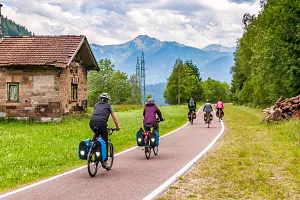
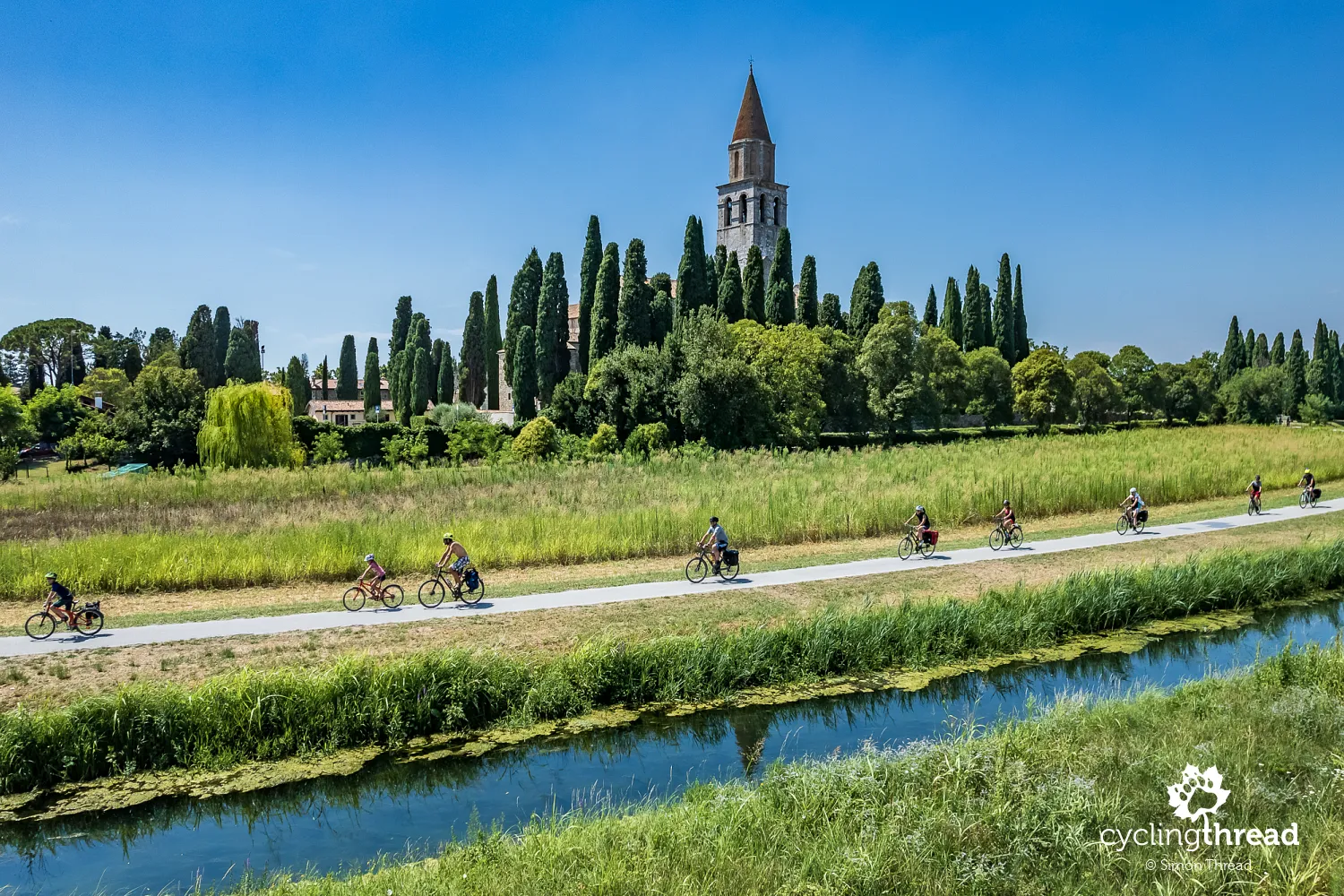
Ciclovia Alpe-Adria Radweg connects Salzburg with the Adriatic coast near Grado, crossing the Alps through Salzburger Land, Carinthia and northeastern Italy. Much of the Austrian section follows broad river valleys, while the crossing towards Italy brings more dramatic mountain scenery around the Julian Alps. One of the route's highlights is an approximately 60-kilometre section on a former railway line, with tunnels, bridges and old stations adapted for cyclists. The Italian part gradually becomes flatter and warmer, passing historic towns before reaching the Adriatic. Good infrastructure and varied landscapes make the journey comfortable despite its Alpine setting.
More: Alpe-Adria Bicycle Route in Austria and Italy
Moselle Cycle Route (Mosel-Radweg) - Rhineland-Palatinate, Germany
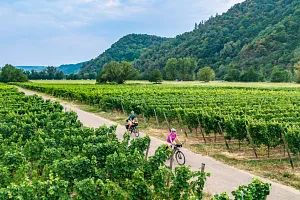
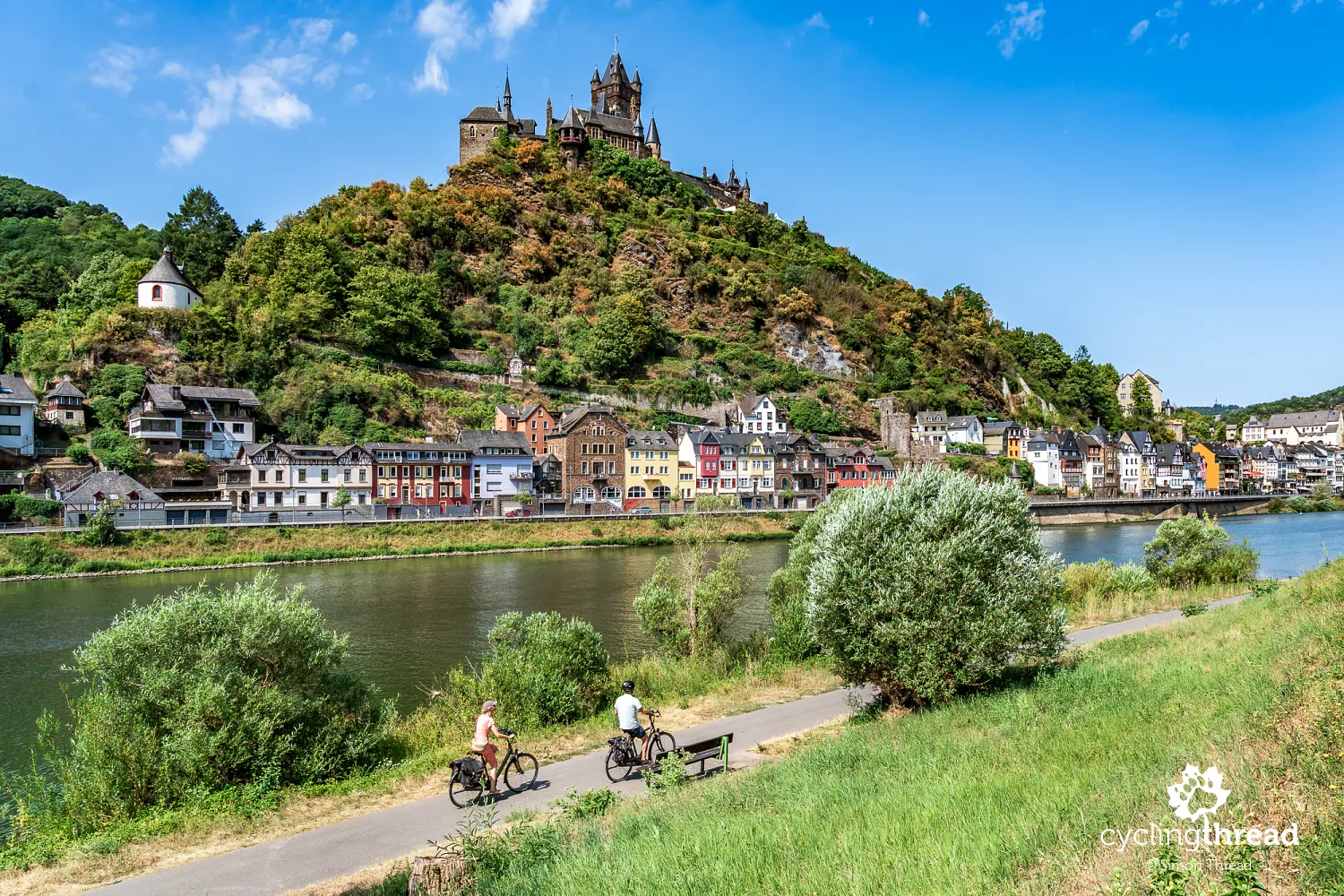
The Moselle Cycle Route follows the Moselle from the French border through Trier and the wine landscapes of Rhineland-Palatinate to Koblenz. Steep vineyard-covered slopes rise directly above the river, while towns such as Bernkastel-Kues, Traben-Trarbach and Cochem provide frequent historic stops. Most of the cycling is very easy, with long flat sections running close to the water on dedicated paths or quiet roads. Castles, Roman heritage, wine villages and numerous places to eat or stay give each stage plenty of variety. The constant sequence of river bends keeps changing the view throughout the journey.
More: Moselle Cycle Route in Germany (coming soon) 👇
Follow us on Facebook and Instagram to be notified!
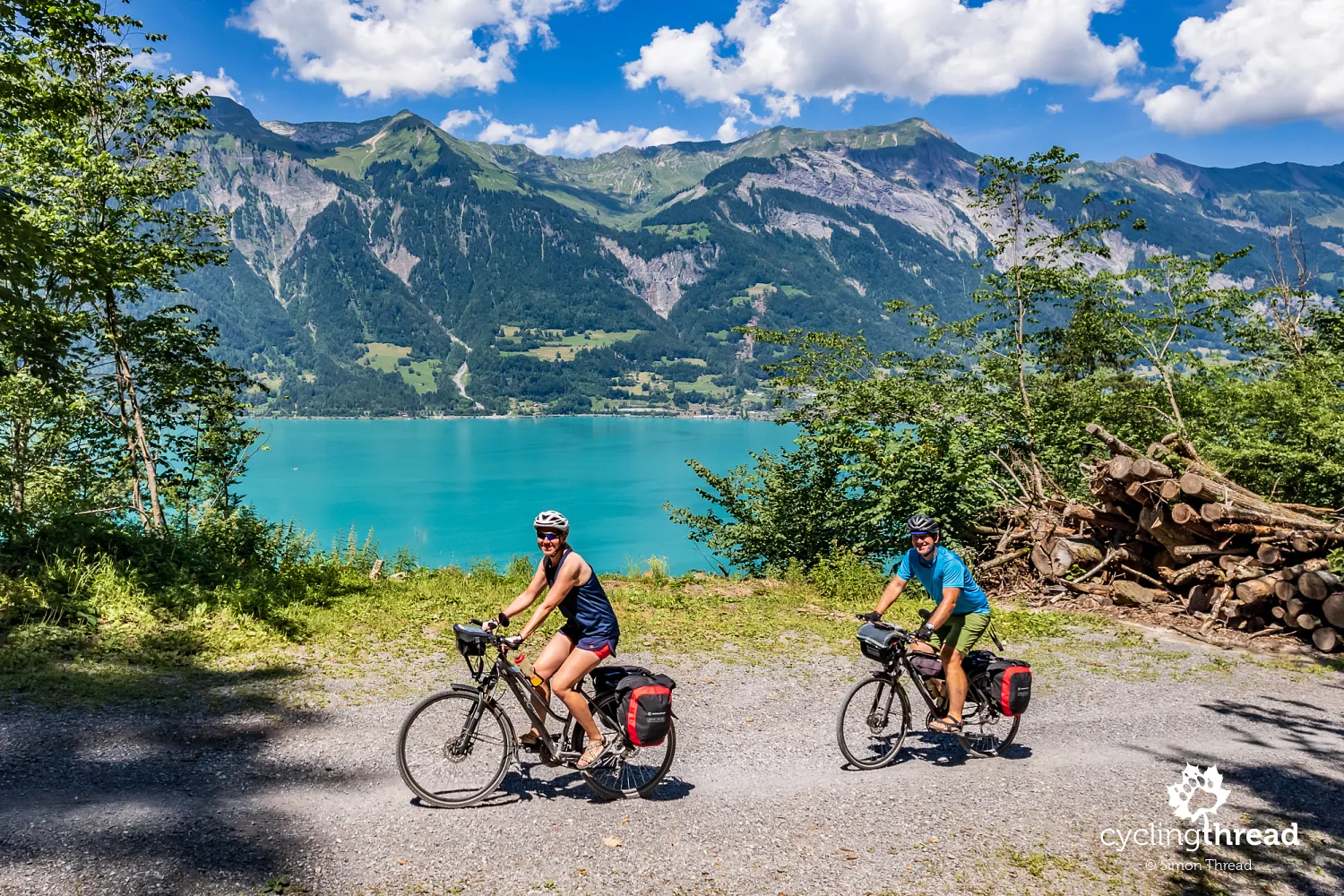
Lakes Route (Seen-Route) - Switzerland
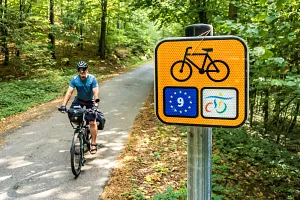
The Lakes Route is one of Switzerland's nine national cycling routes, running for around 500 kilometres across the country from east to west. It links roughly ten lakes and places such as Werdenberg, Lucerne and Iseltwald, with Alpine scenery accompanying much of the journey. Further west, the route reaches Gruyère and the UNESCO-listed vineyards of Lavaux above Lake Geneva. In our version, we added Zurich at the beginning and Lausanne at the end, extending the ride across even more of Switzerland. The changing combination of lakes, mountains and historic towns gives each section a noticeably different character.
More: Lakes Route in Switzerland
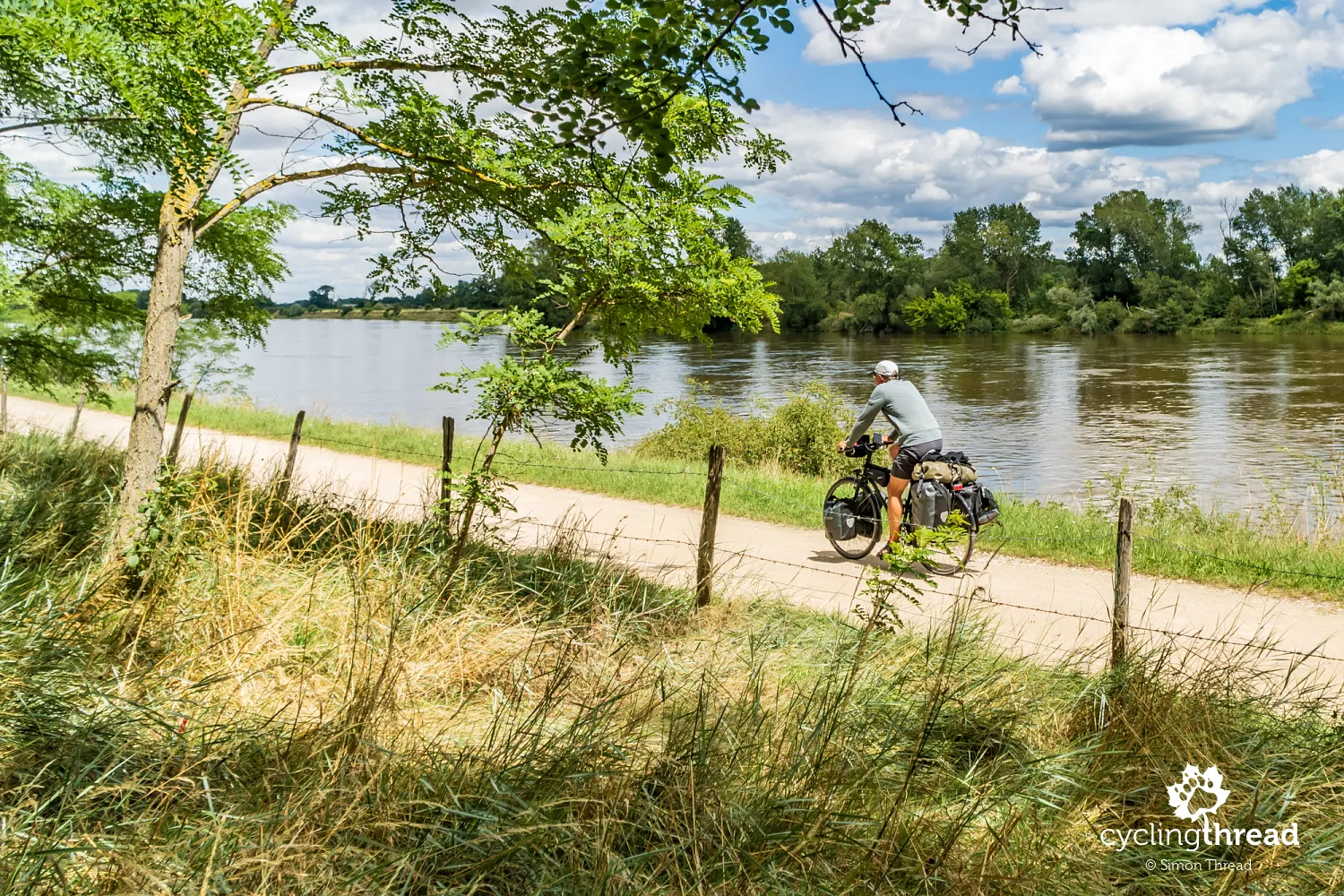
Loire by Bike (La Loire à Vélo) - Loire Valley, France
The Loire Valley Bike Route follows the Loire through one of the best-known historic landscapes in France, connecting Orleans, Blois, Amboise, Tours and Angers. Castles, palaces, vineyards and old towns provide regular sightseeing stops, while quieter sections run through villages and open river landscapes. The route uses a mixture of asphalt and gravel cycle paths together with low-traffic public roads, making most stages comfortable and easy to plan. Cyclists also benefit from good signage and a well-developed accommodation base friendly to cyclists. The combination of cultural attractions and reliable infrastructure allows plenty of time for stops away from the bike.
More: Loire by Bike in France
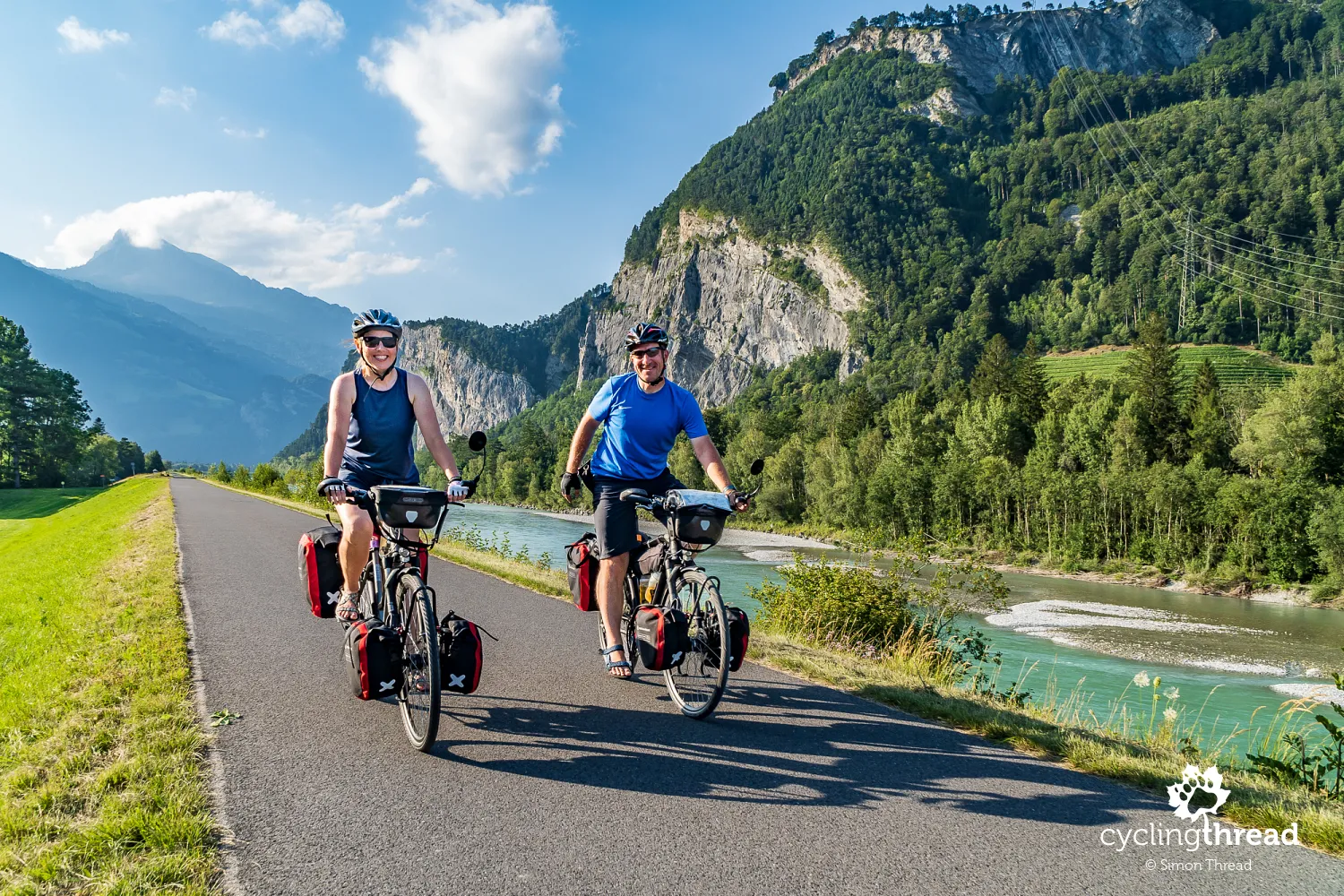
Rhine Cycle Route (Rhein-Route) - Switzerland
The Rhine Cycle Route crosses Switzerland from the Alps towards Basel and forms the Swiss section of EuroVelo 15. The journey begins among high mountains, continues through a broad Alpine valley and then reaches Lake Constance before returning to the Rhine further west. Along the way, cyclists pass Chur, Arbon, Stein am Rhein, Schaffhausen and several smaller historic places. Good surfaces, clear signage and excellent railway connections make individual stages straightforward to organise. The gradual transition from high Alpine scenery to lakes and gentler river landscapes gives the route much of its variety.
More: Rhine Cycle Route in Switzerland
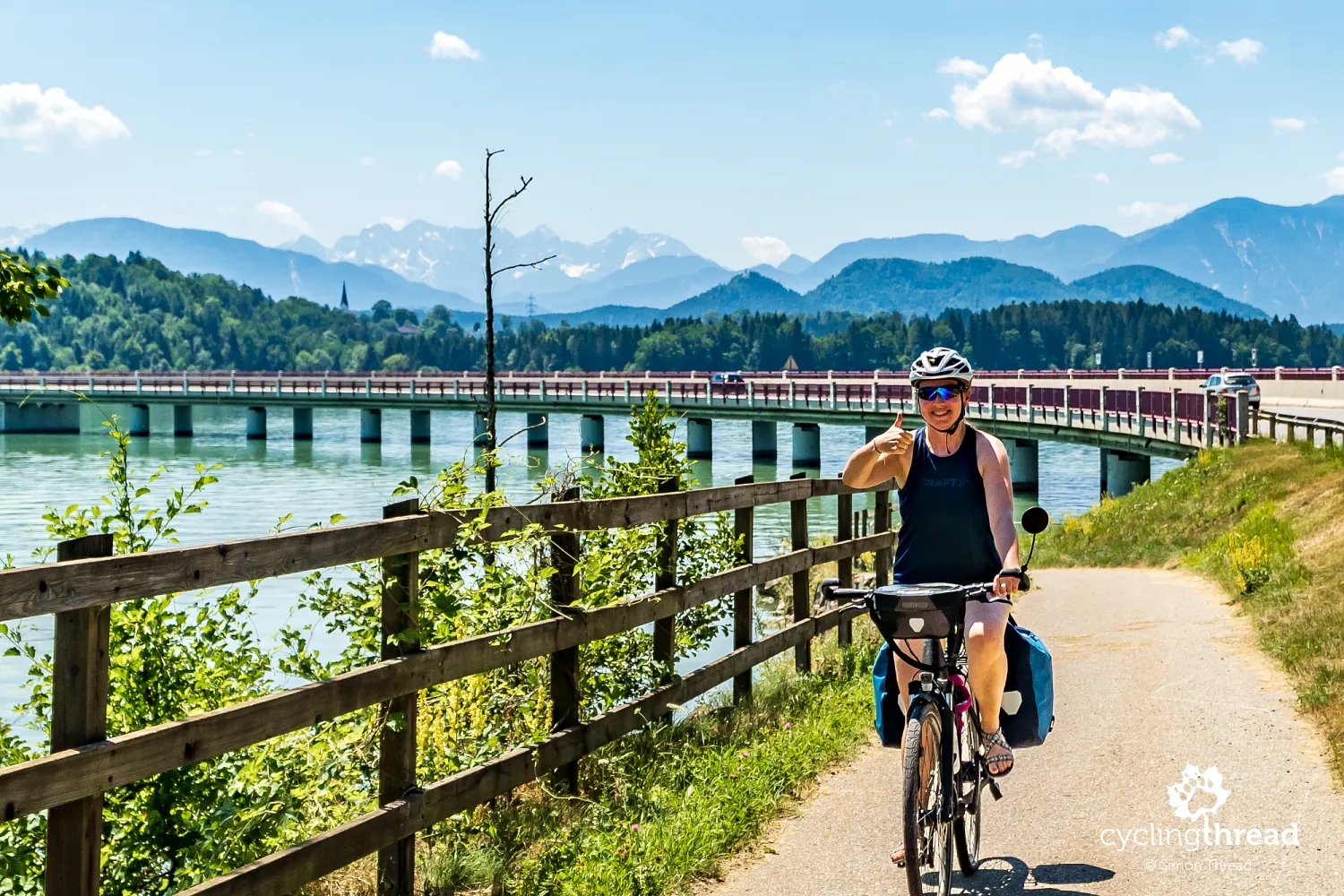
Drava Cycle Route (Drauradweg) - Carinthia, Austria
The Drava Cycle Route (Drauradweg) follows the Drava from Toblach in Italy through East Tyrol and Carinthia before continuing towards Slovenia and Croatia. Much of the Austrian section uses separated asphalt or good gravel cycle paths, with long stretches away from motor traffic. Mountain ranges remain visible for much of the journey, although following the river keeps many stages very comfortable. Villach is the largest city on the Austrian section and an important junction for several popular cycling routes. Reliable infrastructure, frequent services and broad Alpine valleys make the route especially convenient for multi-day touring.
More: Drava Cycle Route in Austria
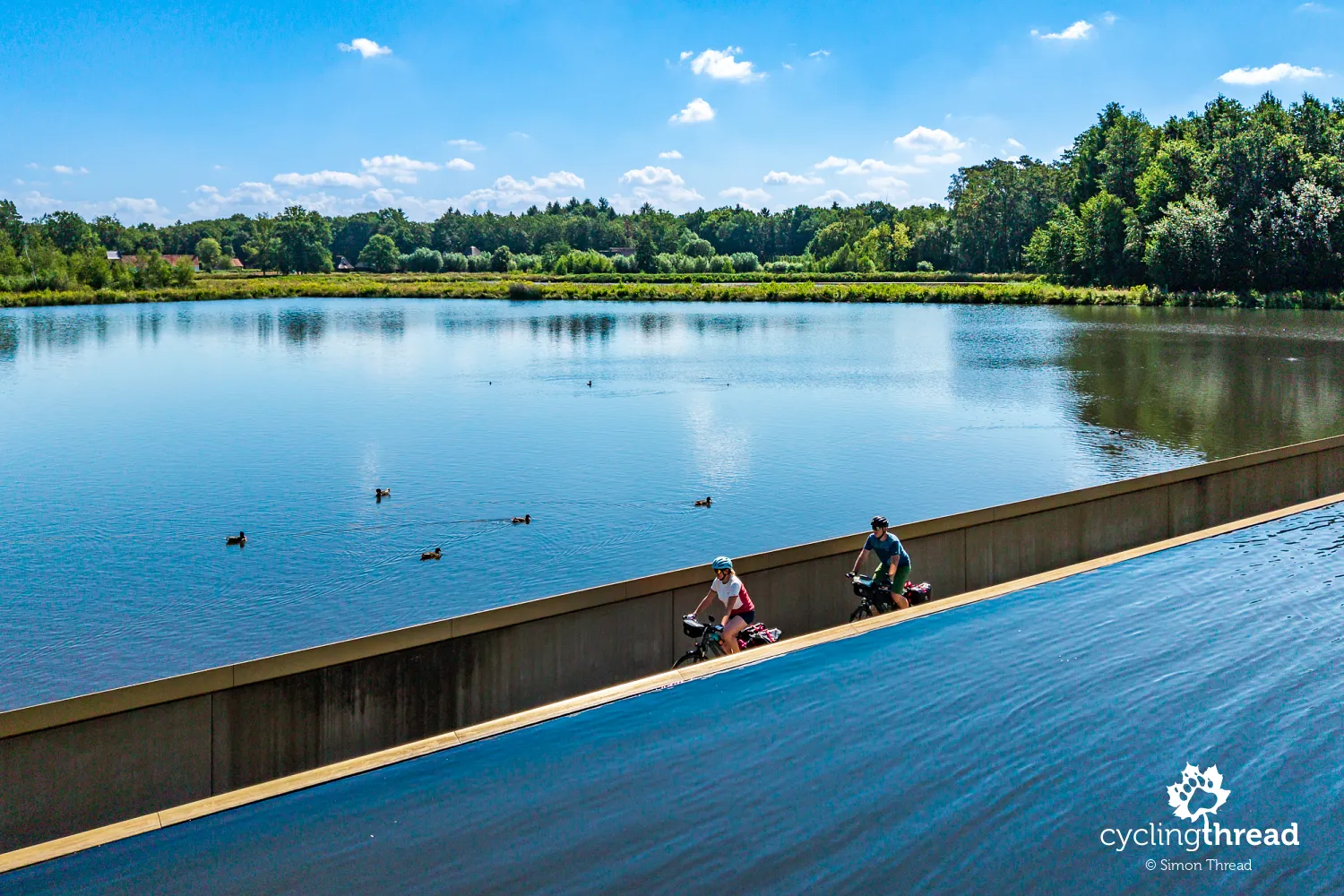
Kempen Route (Kempenroute) - Flanders, Belgium
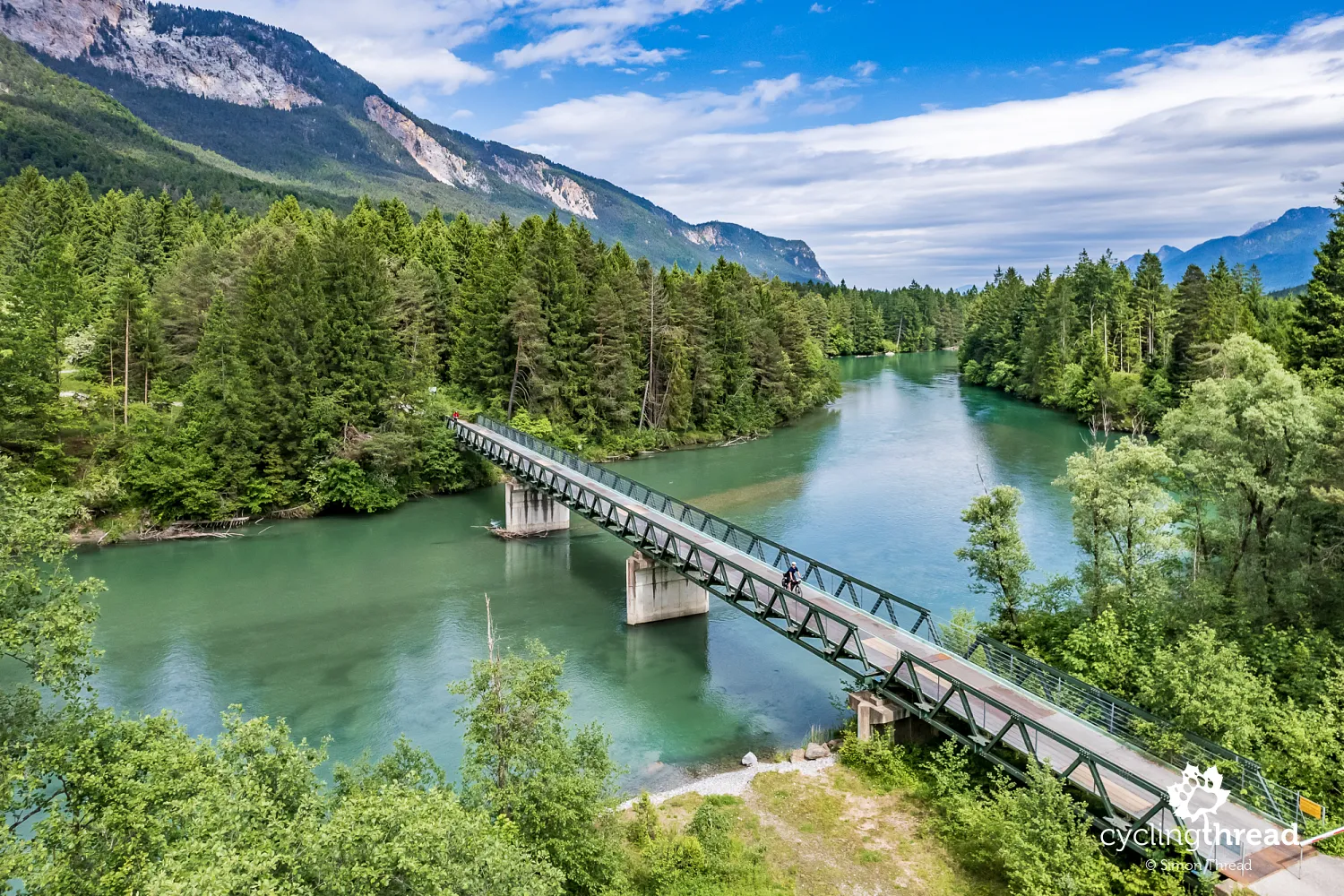
The Kempen Route crosses the green landscapes of Belgian Limburg and the Kempen, linking places around Genk, Maasmechelen, Bosland and Kasterlee. Forests, heathland, canals and former mining areas give the route much more variety than the generally flat terrain might suggest. Several of Limburg's distinctive cycling attractions can be included along the way, including Cycling through the Water in Bokrijk and other purpose-built cycling experiences. Much of the journey uses excellent cycle paths and the dense Belgian cycle node network, making navigation and spontaneous detours particularly easy. Small towns and quiet countryside fill the sections between the larger attractions.
More: Kempen Route in Belgium
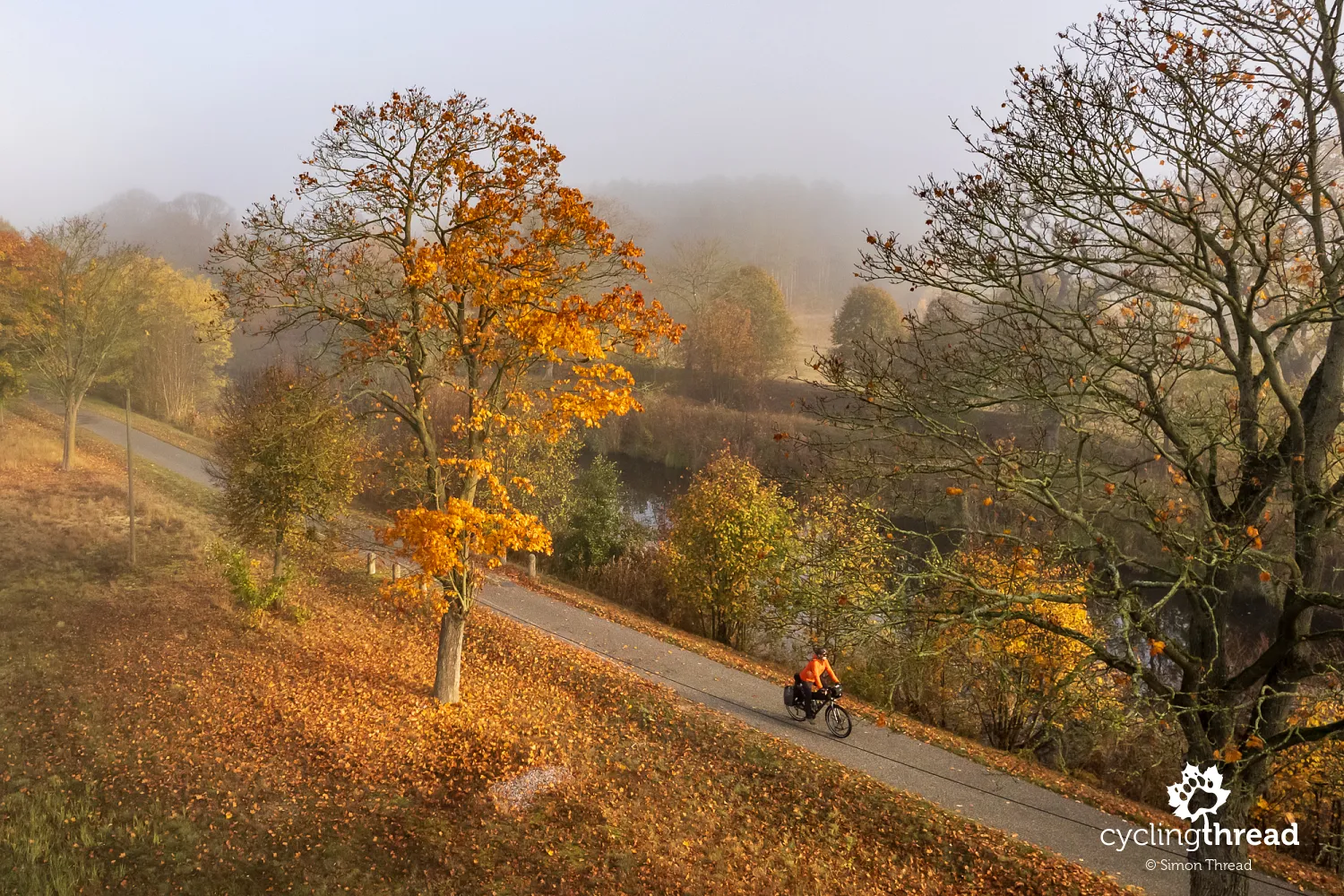
Havel Cycle Route (Havel-Radweg) - Brandenburg, Germany
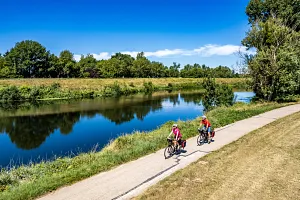
The Havel Cycle Route follows the Havel from its source near Ankershagen to the Elbe, crossing much of bike-friendly Brandenburg. Lakes, forests and quiet countryside accompany long sections of the journey, while historic towns and Potsdam provide more urban stops along the way. The terrain is predominantly flat and the route uses a mixture of paved cycle paths, quiet roads and well-maintained unpaved sections. Clear signage makes navigation straightforward, with numerous possibilities for connecting to other regional and long-distance routes. Around Brandenburg, the river widens into a broad landscape of interconnected lakes and waterways.
More: Havel Cycle Route in Germany (coming soon) 👇
Follow us on Facebook and Instagram to be notified!
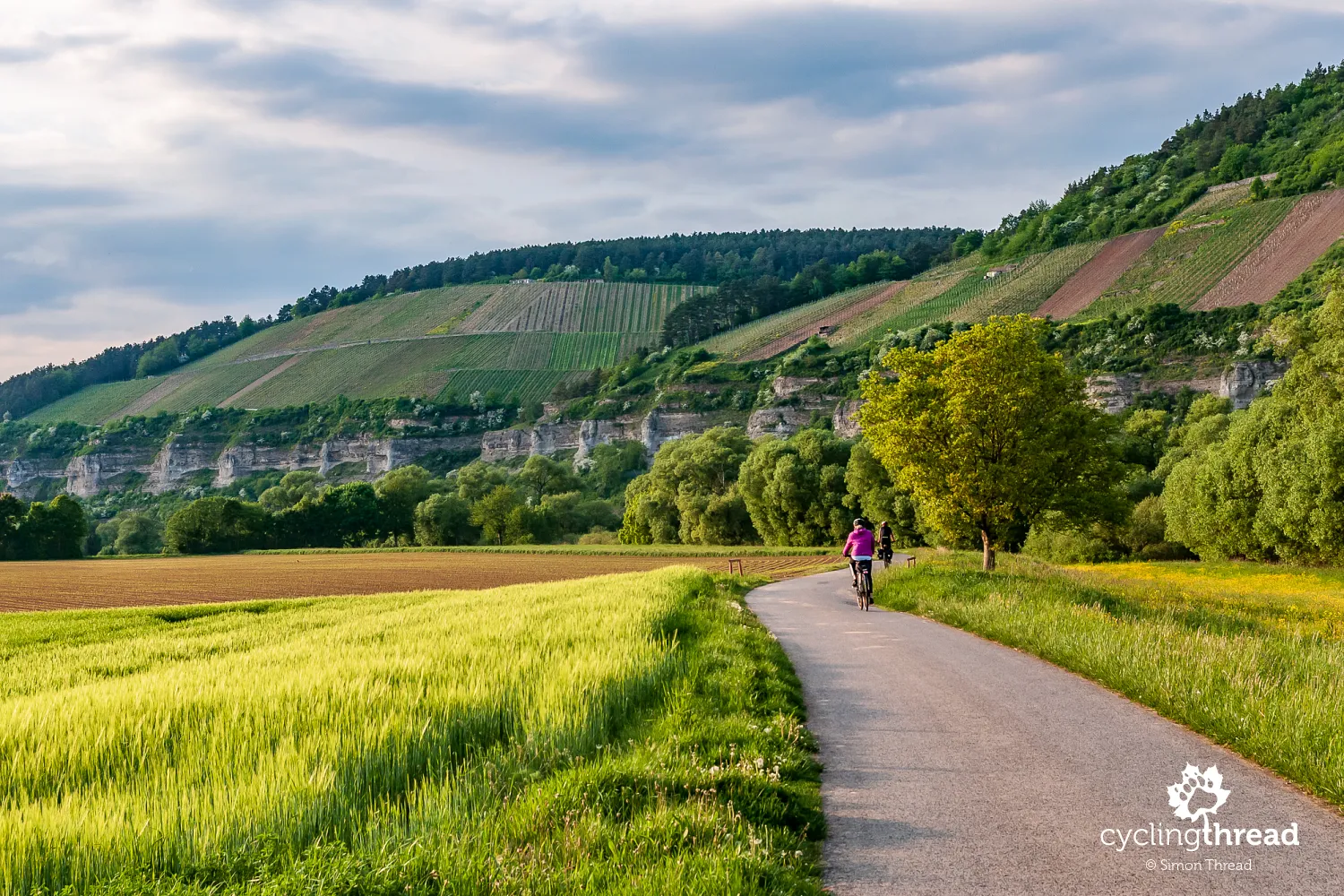
Main Cycle Route (Mainradweg) - Franconia, Germany
The Mainradweg follows the Main for around 600 kilometres through Franconia, connecting major cultural stops such as Bayreuth, Bamberg and Würzburg. Dozens of charming towns appear between them, giving almost every stage a strong historical character. Much of the route runs on comfortable riverside cycle paths, so the long distance can be divided into relaxed daily sections. The landscape and local cuisine also change along the way, from the beer traditions around Bamberg to the vineyards of western Franconia. Riverside riding, historic centres and frequent places to stop make planning a longer journey straightforward.
More: Main Cycle Route in Germany
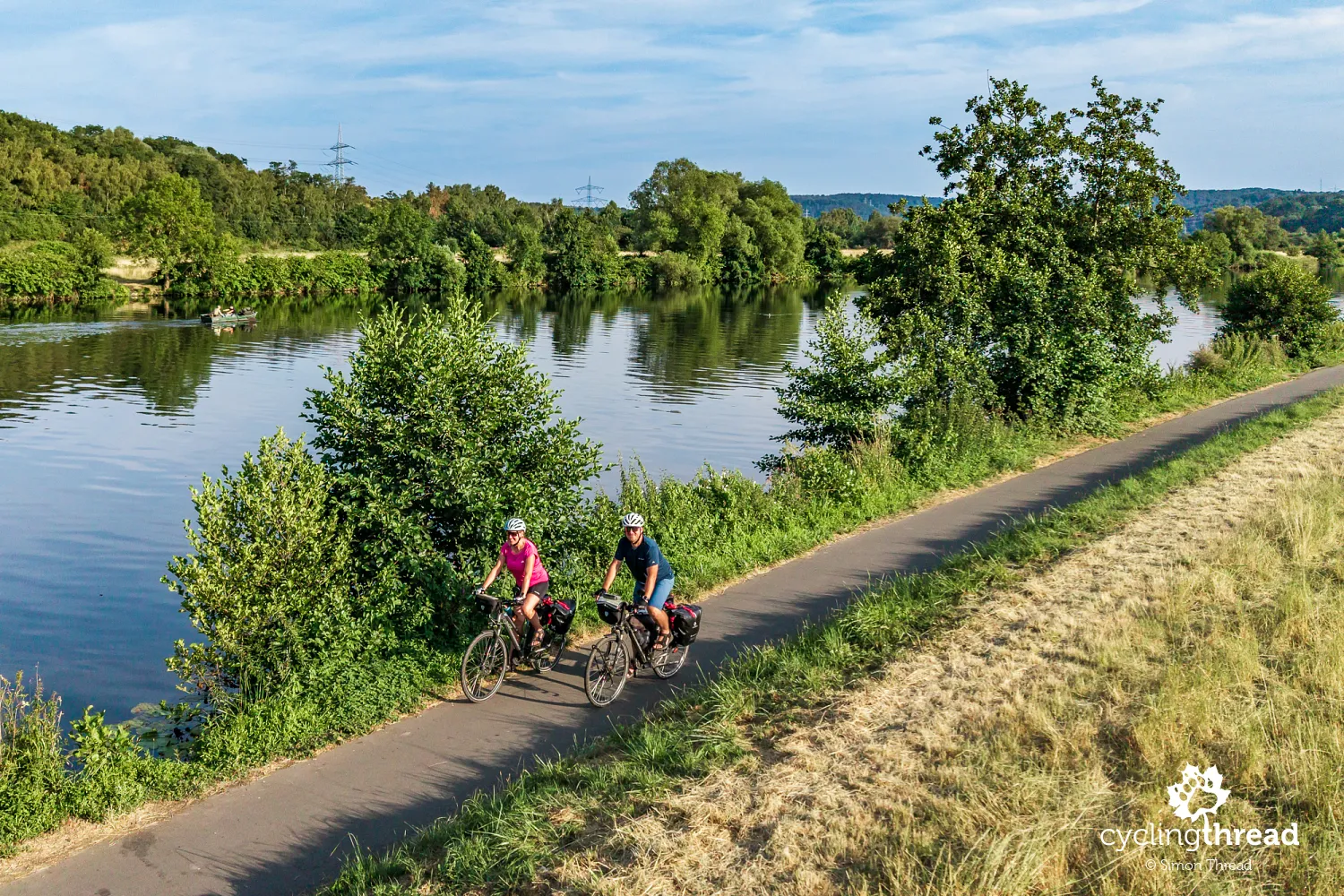
Ruhr Valley Cycle Route (Ruhrtalradweg) - North Rhine-Westphalia, Germany
The Ruhr Valley Cycle Route follows the Ruhr for around 240 kilometres from Winterberg in the Sauerland to the Rhine in Duisburg. The first stages cross green hills, forests and small towns, while further west the route gradually enters the industrial landscapes of the Ruhr region. Former mines, steelworks and railway infrastructure appear beside castles, reservoirs and surprisingly green riverside sections. Arnsberg, Essen and Duisburg provide very different urban stops, with major industrial heritage sites close to the route. Good signage and mostly comfortable cycling infrastructure make the changing landscape easy to experience over several days.
More: Ruhr Valley Cycle Route in Germany (coming soon) 👇
Follow us on Facebook and Instagram to be notified!
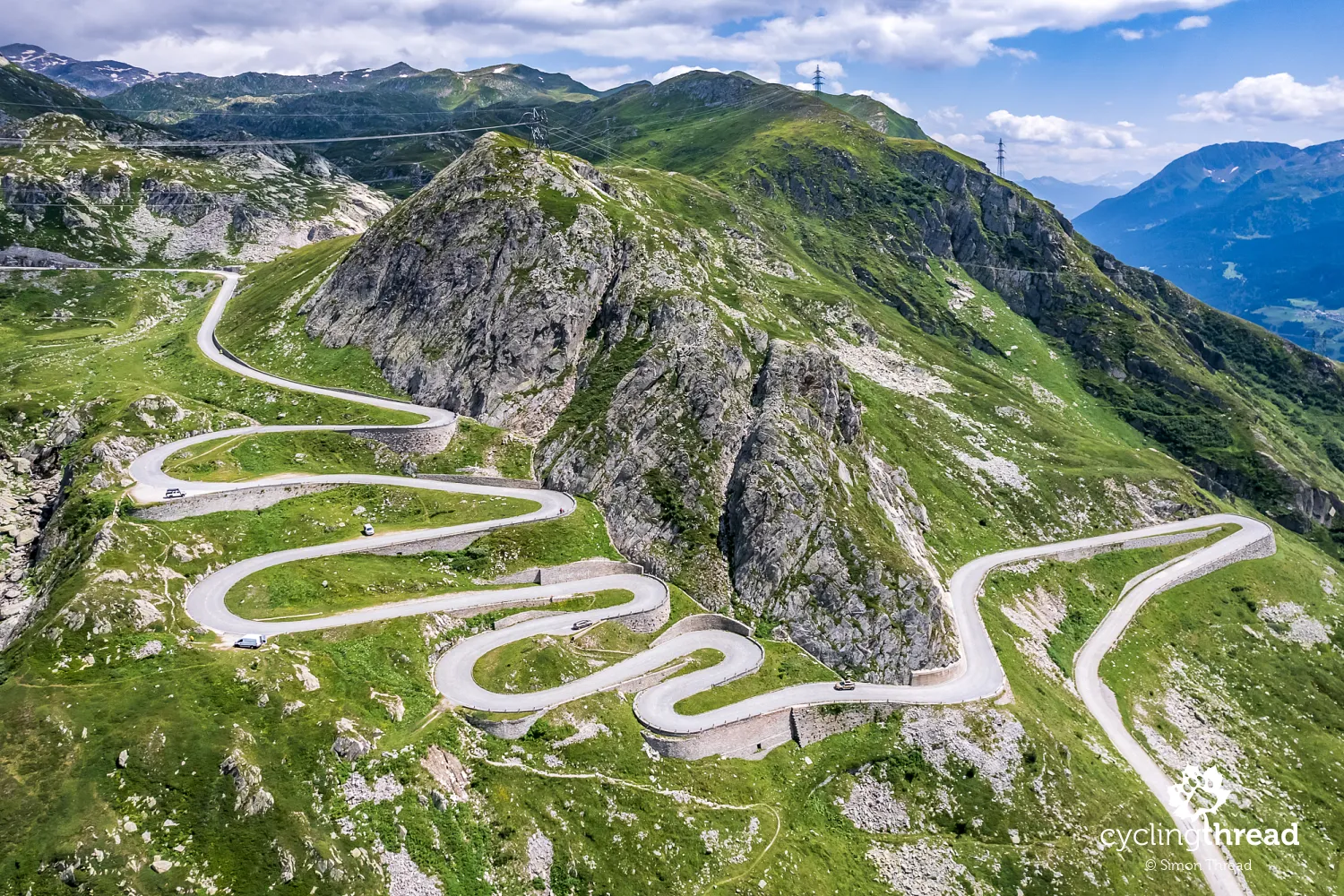
North-South Route (Nord-Süd-Route) - Switzerland
The Nord-Süd-Route (North-South Route) crosses Switzerland from Basel to Chiasso over just more than 360 kilometres. Marked as national Route 3, it links the German-speaking north with Ticino and crosses the main Alpine chain via the famous Gotthard Pass. The route changes character repeatedly, moving from gentler northern landscapes into high mountains and then towards the warmer, more southern atmosphere of Ticino. Several sections are demanding, especially around the Alpine crossing, while trains provide useful options for adjusting individual stages. The relatively short distance contains an unusually broad range of landscapes, languages and regional character.
More: North-South Route in Switzerland
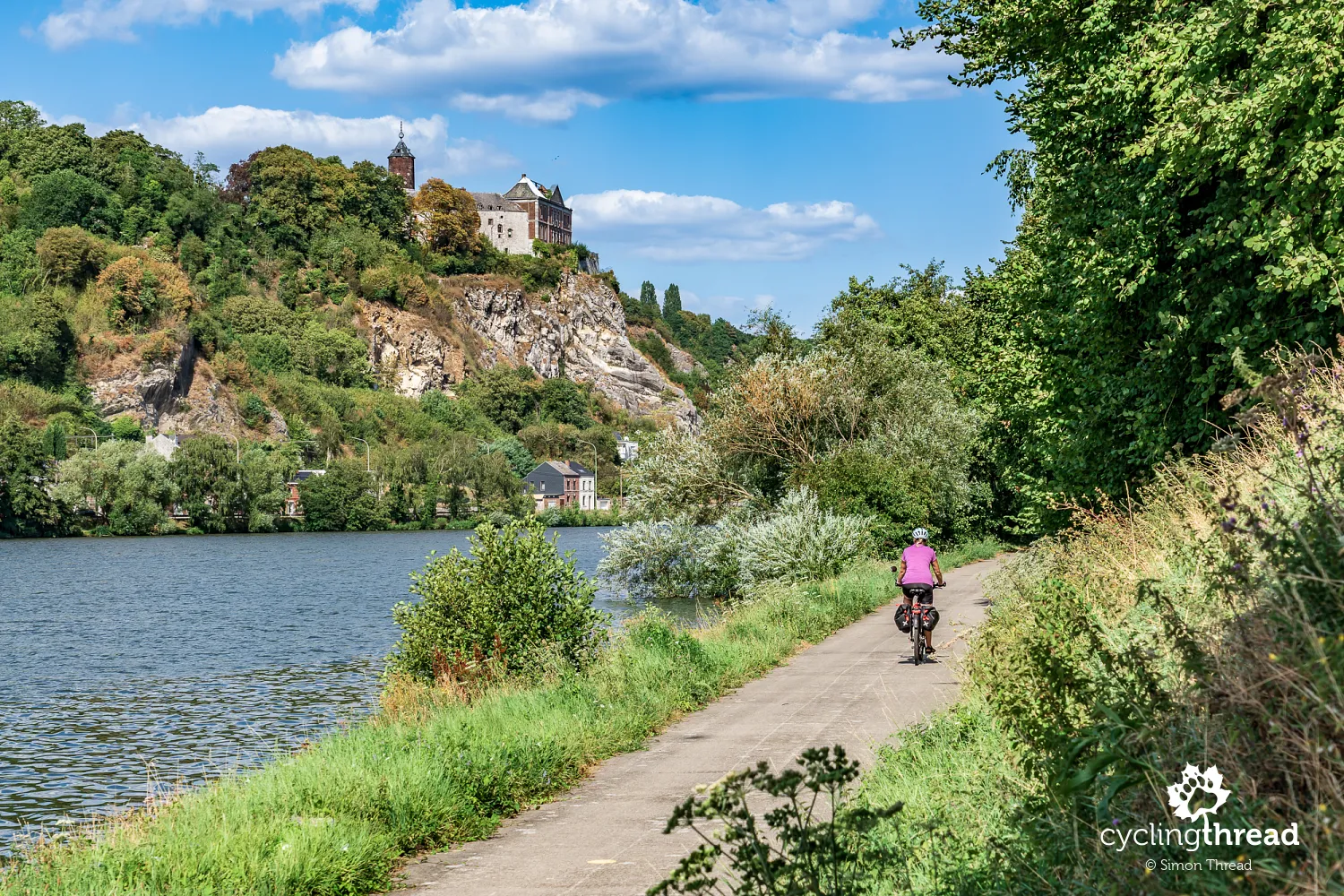
Meuse by Bike (La Meuse à Vélo) - Wallonia, Belgium
Meuse by Bike follows the Meuse across Wallonia, linking Dinant, Namur, Huy and Liège before continuing towards Maastricht and the Netherlands. Long sections run directly beside the river on comfortable cycle paths, often completely separated from road traffic. Around Dinant, steep rock walls frame the valley, while further north historic towns gradually give way to landscapes shaped by heavy industry. Former factories, quarries, bridges and railway infrastructure remain visible beside green hills, locks and older architecture. The contrast between natural scenery and industrial heritage gives the Belgian section a particularly varied character.
More: Meuse by Bike in Belgium (coming soon) 👇
Follow us on Facebook and Instagram to be notified!
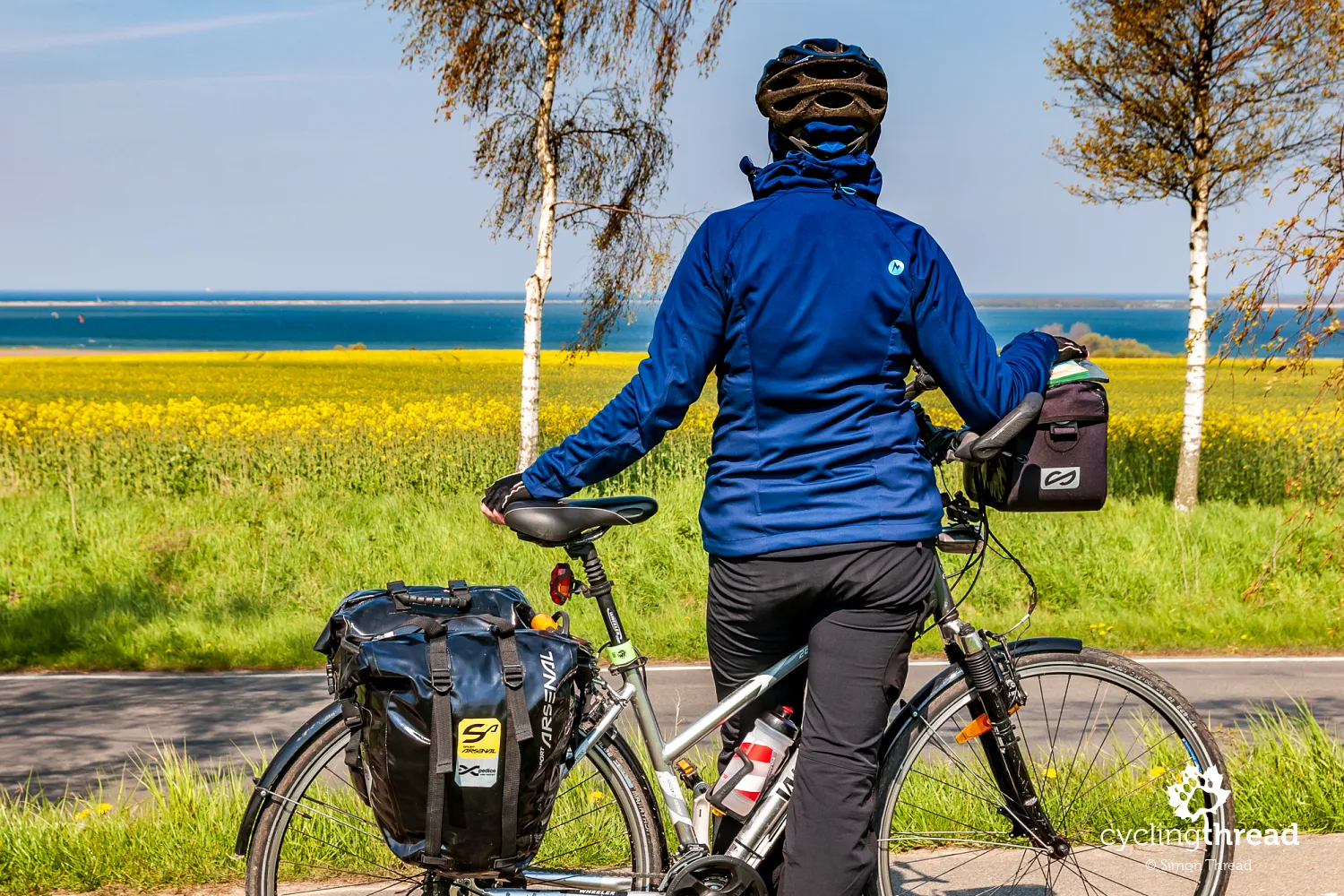
Baltic Sea Coast Cycle Route (Ostseeküsten-Radweg) - Germany
The Ostseeküsten-Radweg, part of the EuroVelo 10 Baltic Sea Cycle Route in Germany, follows the Baltic coast from Lübeck towards the Polish border at Świnoujście. Long sections run close to sandy beaches, cliffs and coastal forests, while others move slightly inland through quiet countryside. Former Hanseatic cities including Lübeck, Wismar, Rostock and Stralsund provide some of the strongest historical attractions along the way. Ferries, seaside resorts and small harbours add variety between the larger towns. The mix of coastal scenery, cultural stops and generally good cycling infrastructure works especially well outside the busiest summer weeks.
More: Baltic Sea Coast Cycle Route in Germany
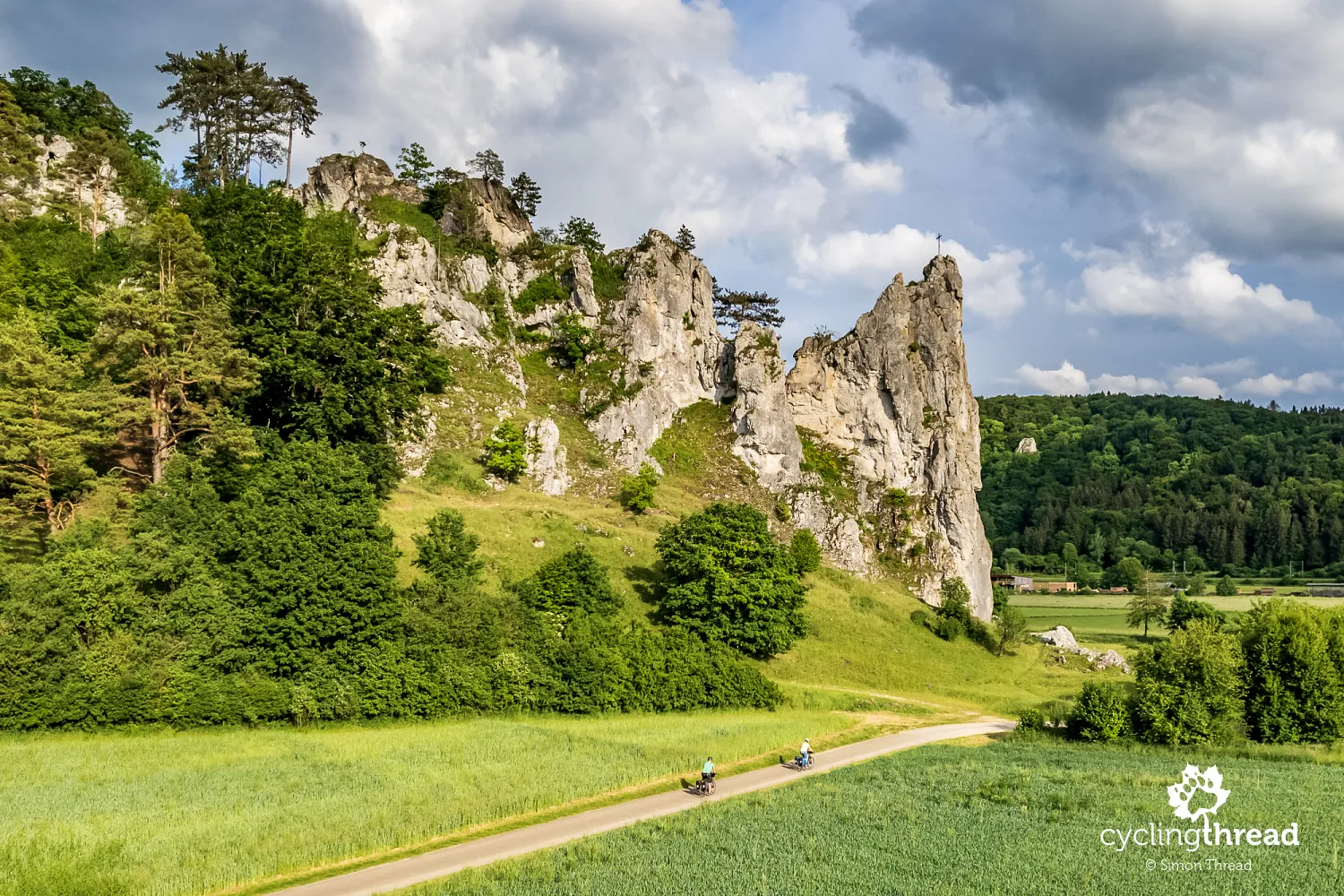
Altmühl Valley Cycle Route (Altmühltal-Radweg) - Franconia, Germany
The Altmühl Valley Cycle Route can be combined with the Tauber to create a longer journey from Wertheim to Kelheim across southern Germany. From Wertheim, cyclists follow the Tauber upstream to Rothenburg ob der Tauber, then cross the European Watershed and join the Altmühl. The route continues downstream through quiet Franconian countryside, limestone landscapes and historic towns such as Treuchtlingen, Eichstätt and Beilngries. Much of the cycling is gentle and comfortable, with long sections away from heavy traffic. The journey ends in Kelheim, where the Altmühl reaches the Danube and connects with another major cycling corridor.
More: Altmühl Valley Cycle Route in Germany
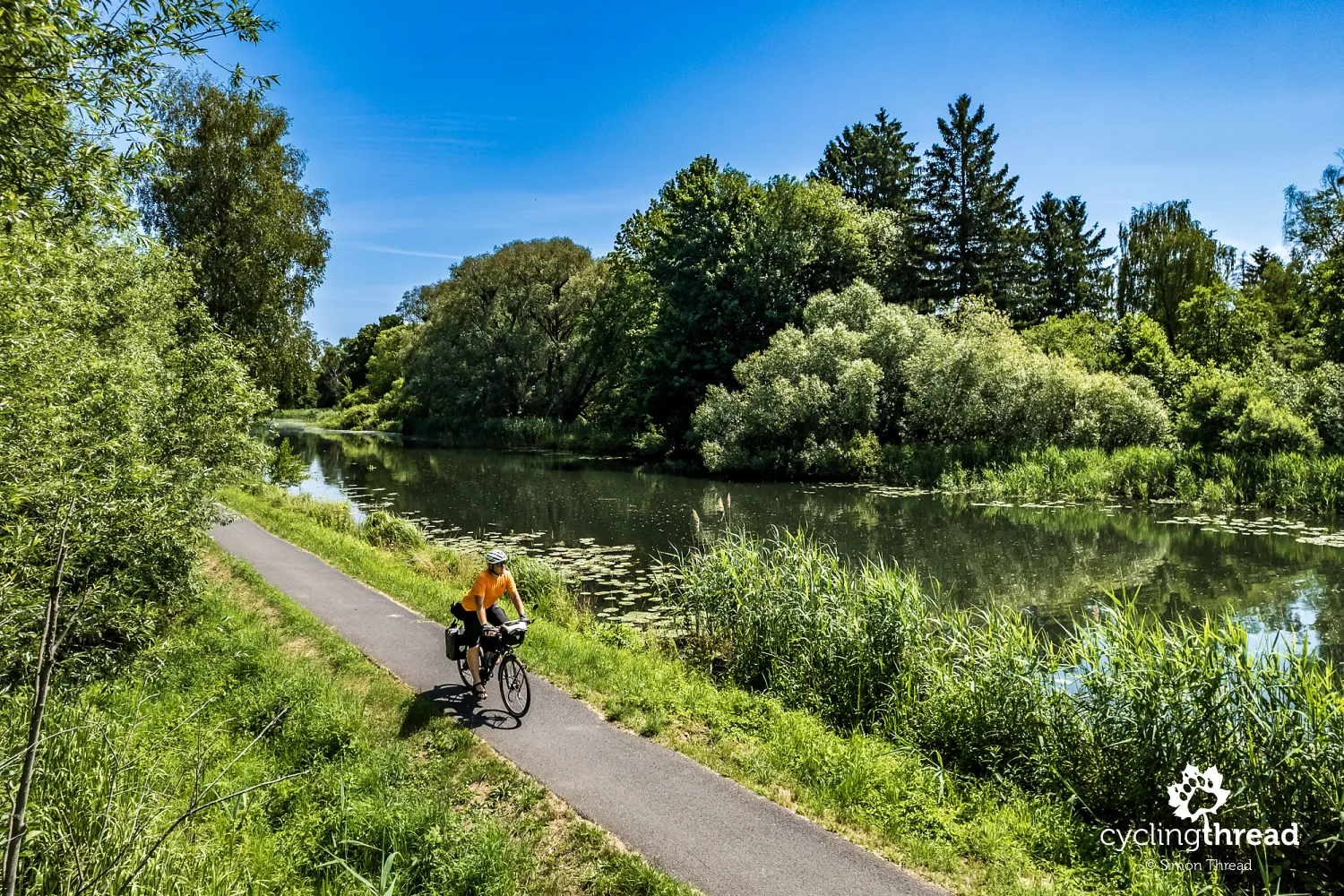
Tour Brandenburg - Brandenburg, Germany
The Tour Brandenburg is one of Germany's longest regional cycling routes, forming a loop of more than 1,100 kilometres around the state of Brandenburg. It connects historic towns including Brandenburg an der Havel, Cottbus and Frankfurt (Oder) with large areas of forests, lakes and open countryside. The route also crosses the Spreewald, the Lower Lusatian lakeland, Uckermark and Prignitz, showing several very different parts of the region. Mostly flat terrain, clear signs and generally good surfaces keep the long journey manageable. Riverside paths along the Havel and Oder alternate with quiet rural roads and sections through protected natural areas.
More: Tour Brandenburg in Germany
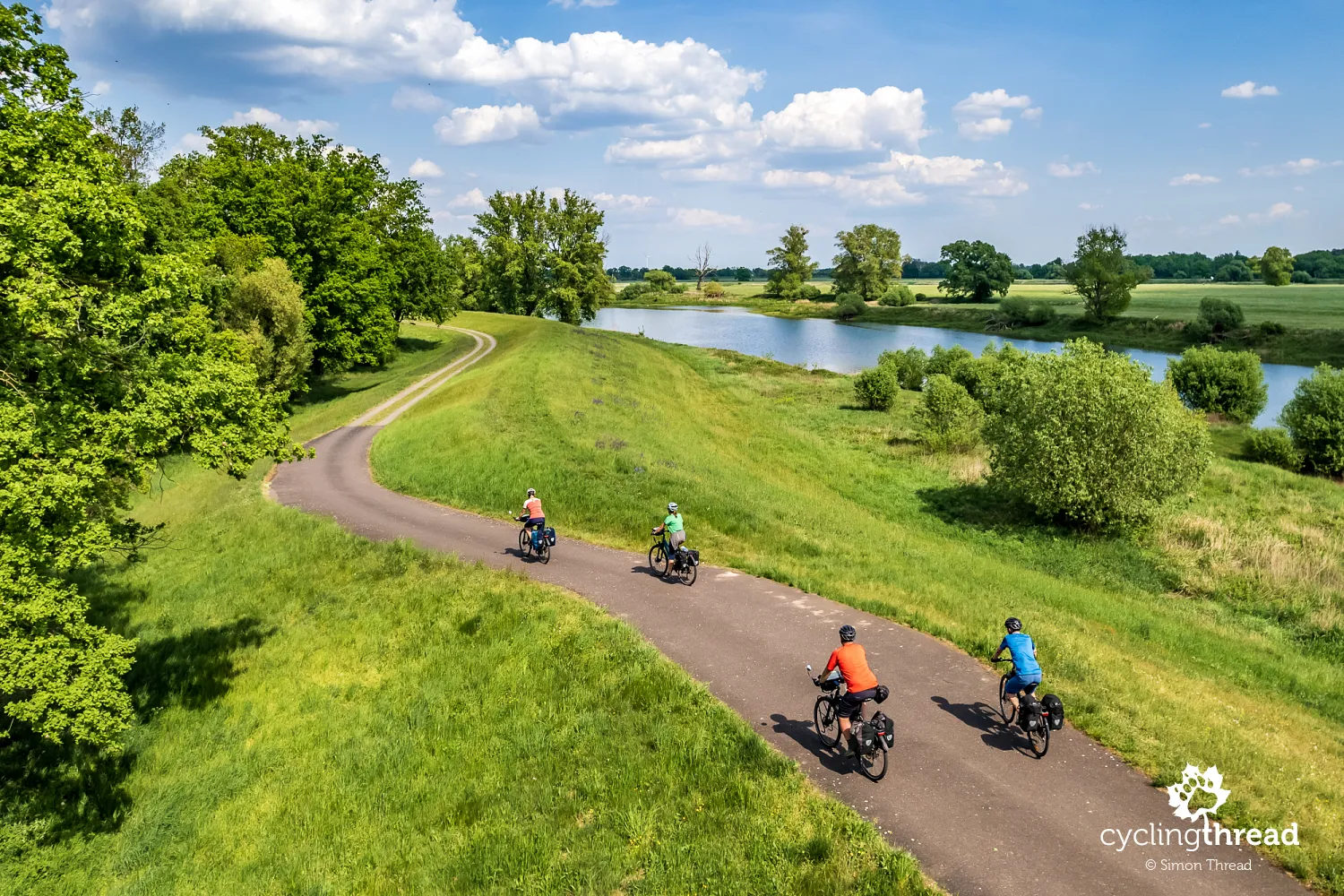
Elbe Cycle Route (Elberadweg) - Germany
The Elbe Cycle Route is one of Germany's longest established river routes, running for more than 1,200 kilometres from the Czech border towards the North Sea. Between Dresden and Magdeburg, it crosses the Dresden Elbland region, the UNESCO-listed Dessau-Wörlitz Garden Realm and historic Wittenberg. Most of this section is flat, with asphalt, compact gravel and occasional cobbled surfaces along the river and its flood embankments. Clear waymarking and frequent ferries make navigation and river crossings straightforward. Cyclist-friendly accommodation, cafés and railway connections provide plenty of flexibility when planning daily stages.
More: Elbe Cycle Route in Germany
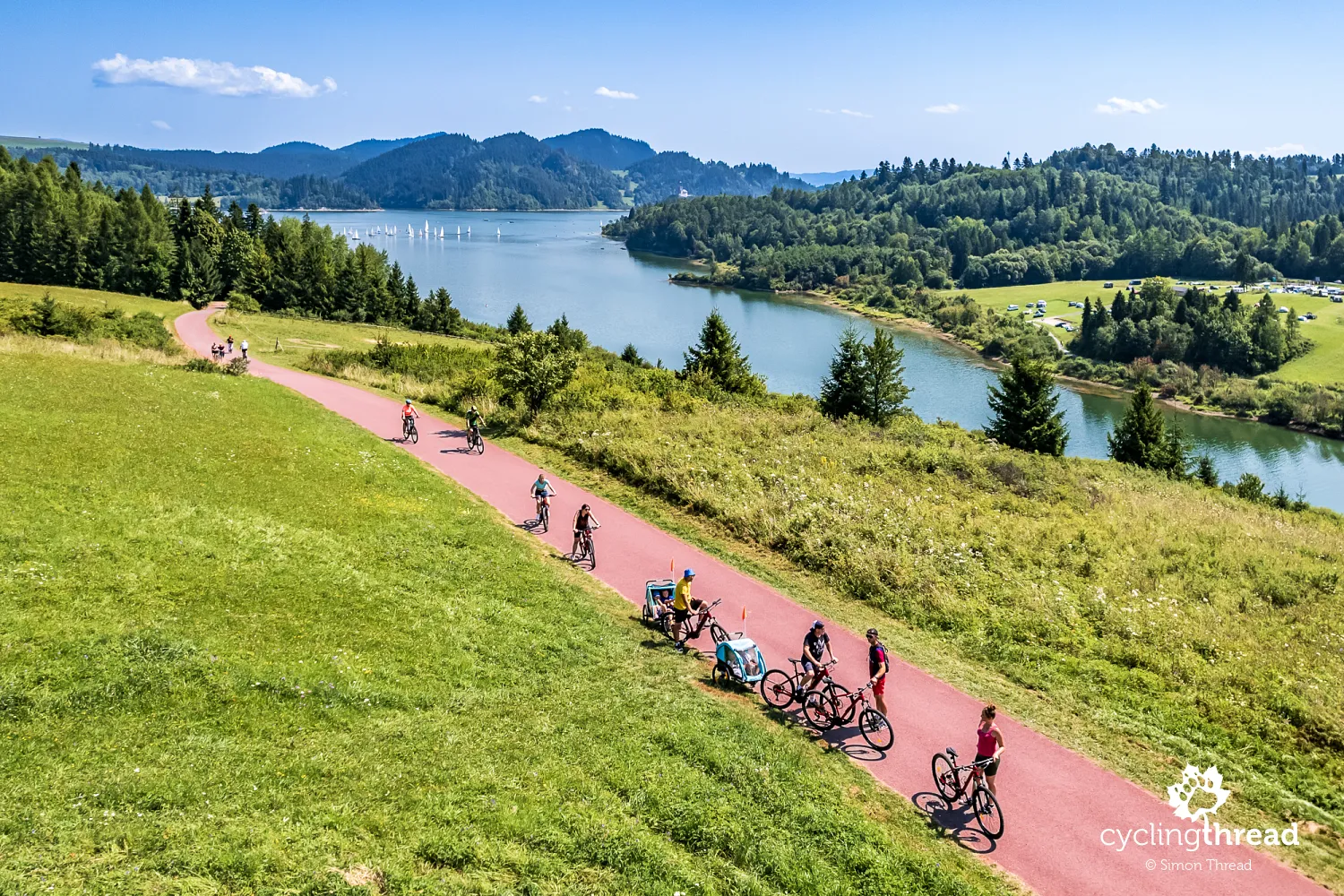
Velo Dunajec - Małopolska, Poland
VeloDunajec crosses Małopolska from the Tatra Mountains towards the Vistula, combining mountain scenery with some of the newest cycling infrastructure in southern Poland. Starting near Zakopane, the route reaches Czorsztyn Lake before continuing through the Pieniny and along the Dunajec towards Tarnów. Bike bridges, riverside paths and purpose-built asphalt sections provide comfortable riding, although several climbs keep the route from being completely flat. Castles, mountain views and the Dunajec Gorge give short stages plenty of sightseeing value. Over just over 200 kilometres, the landscape changes repeatedly across one of the most varied cycling regions in Poland.
More: Velo Dunajec in Poland
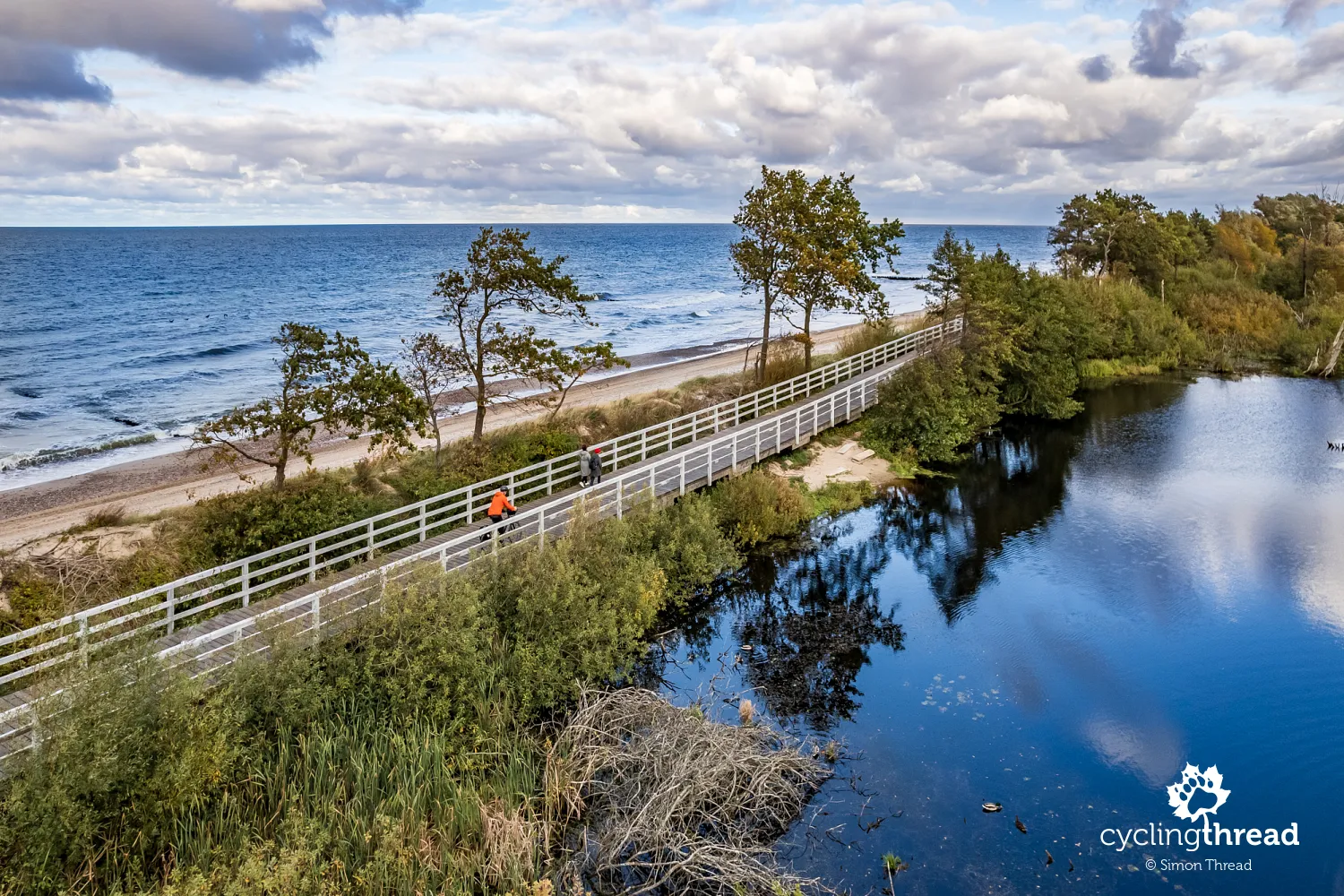
Velo Baltica (EuroVelo 10/13) - West Pomerania, Poland
The Velo Baltica section of EuroVelo 10/13 runs for around 240 kilometres through West Pomerania, between Świnoujście and the eastern edge of the region. The route combines Baltic beaches and seaside resorts with coastal forests, small villages and long stretches of modern cycling infrastructure. Good railway connections in Świnoujście, Kołobrzeg and other towns make it easy to divide the journey into shorter stages or weekend trips. Summer brings the largest number of cyclists, while spring and early autumn offer a quieter way to experience this part of Poland. Flat terrain and frequent services make daily distances easy to adjust.
More: Velo Baltica in Poland
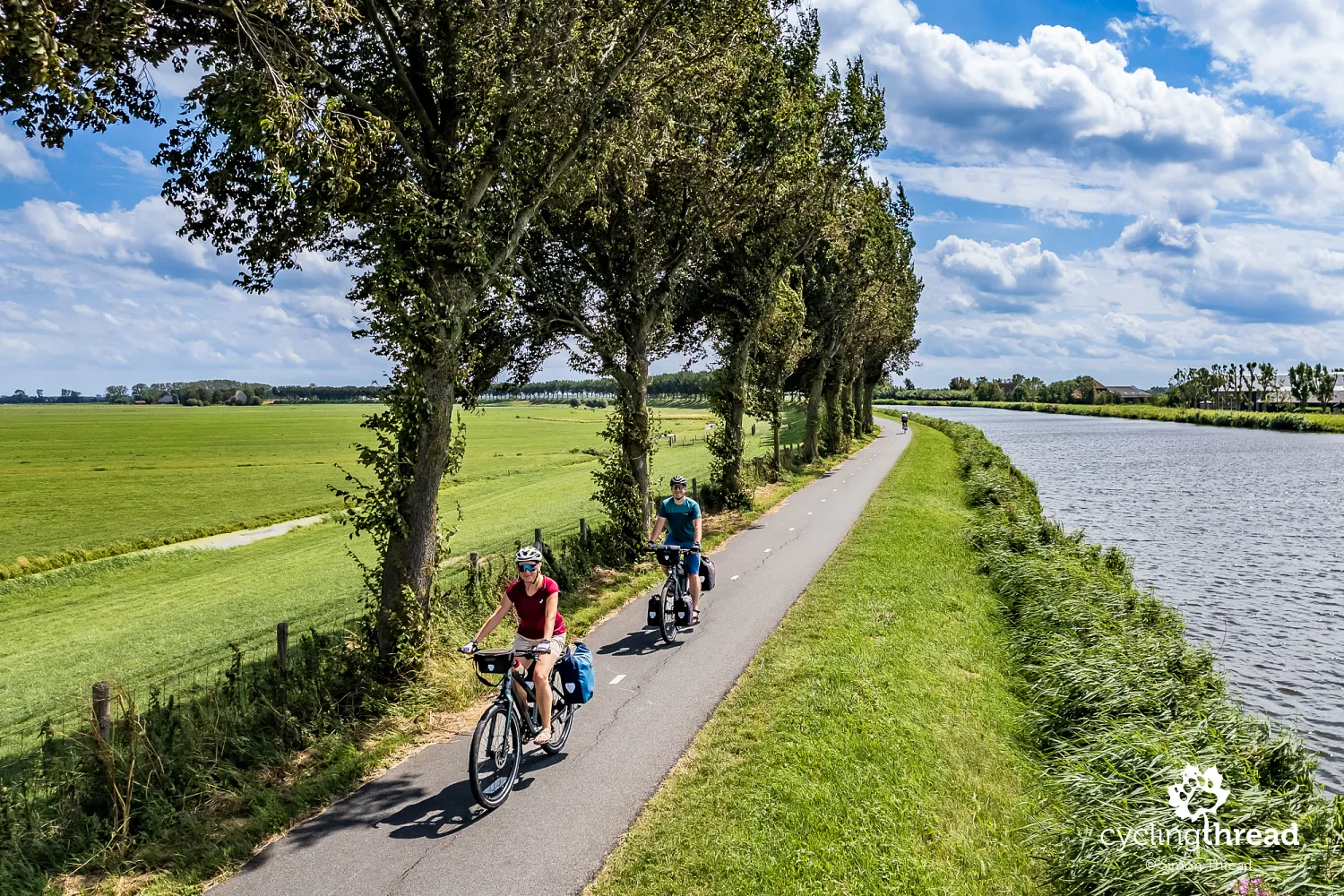
Waterline Route (LF Waterlinieroute) - the Netherlands
The Waterline Route crosses the Netherlands from the Amsterdam area through Utrecht towards Breda, following historic defence lines built around controlled flooding. Forts, bunkers, dikes, locks and canals appear regularly along the way, turning military history into the main theme of the journey. Between these sites, cyclists pass typical Dutch countryside, small towns and surprisingly green sections close to larger cities. Excellent cycle paths, quiet roads and clear signage make the route easy to follow and comfortable over several days. The combination of water engineering, historic fortifications and everyday Dutch cycling infrastructure gives the route a very distinctive setting.
More: Waterline Route in the Netherlands
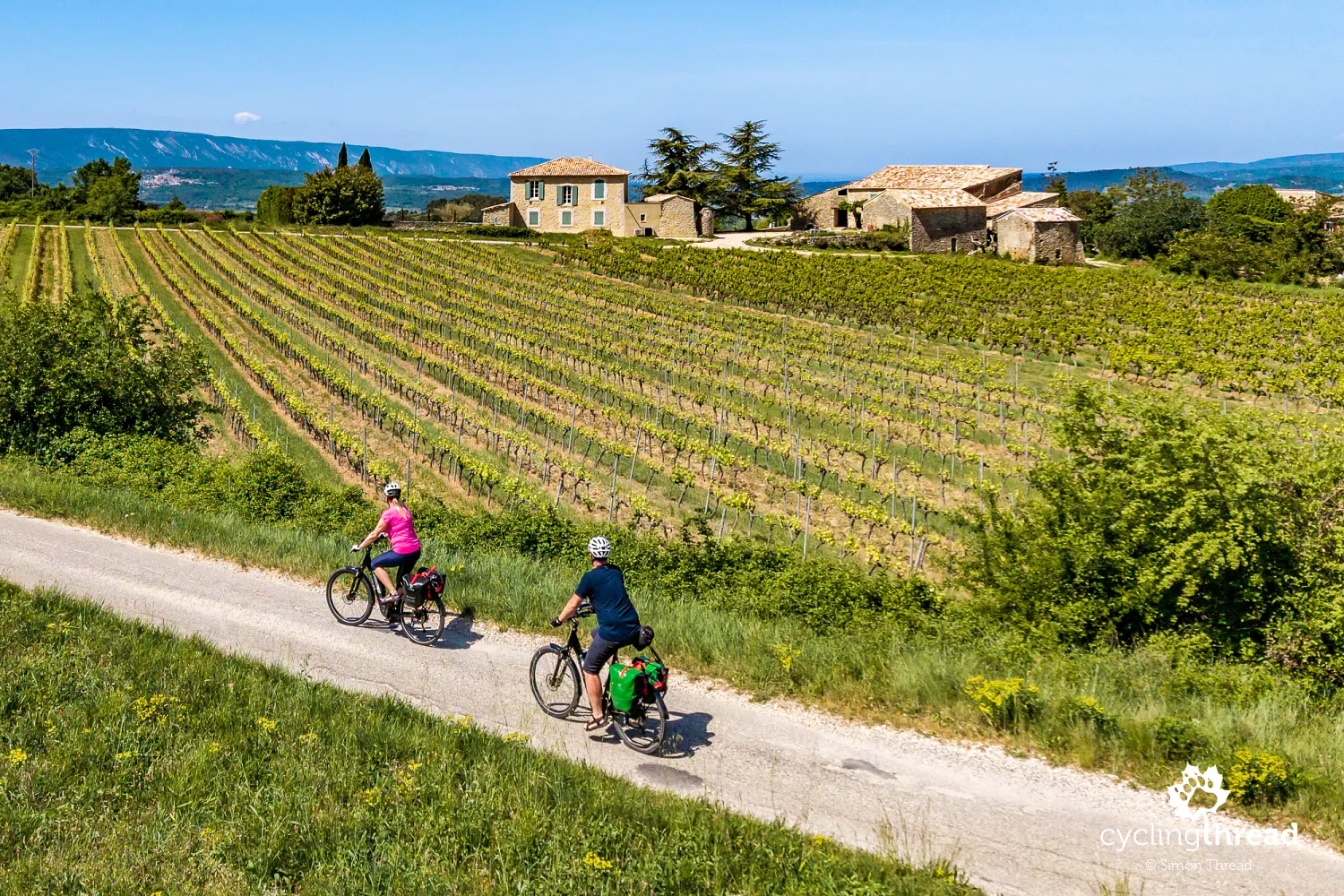
Around the Luberon by Bicycle (Autour du Luberon à vélo) - Provence, France
Around the Luberon leads through the characteristic landscapes of Provence, crossing limestone hills, vineyards and the countryside around the Luberon massif. The route links villages such as Gordes, Bonnieux, Lacoste and Lourmarin, with historic architecture and viewpoints providing frequent reasons to stop. Rather than relying on dedicated cycle paths, much of the journey follows quiet local asphalt roads with relatively little traffic. Frequent climbs make individual stages more demanding than the peaceful scenery might suggest, although they are often followed by long descents. Vineyards, stone villages and broad views across the Provençal countryside accompany much of the ride.
More: Around the Luberon by Bicycle in France
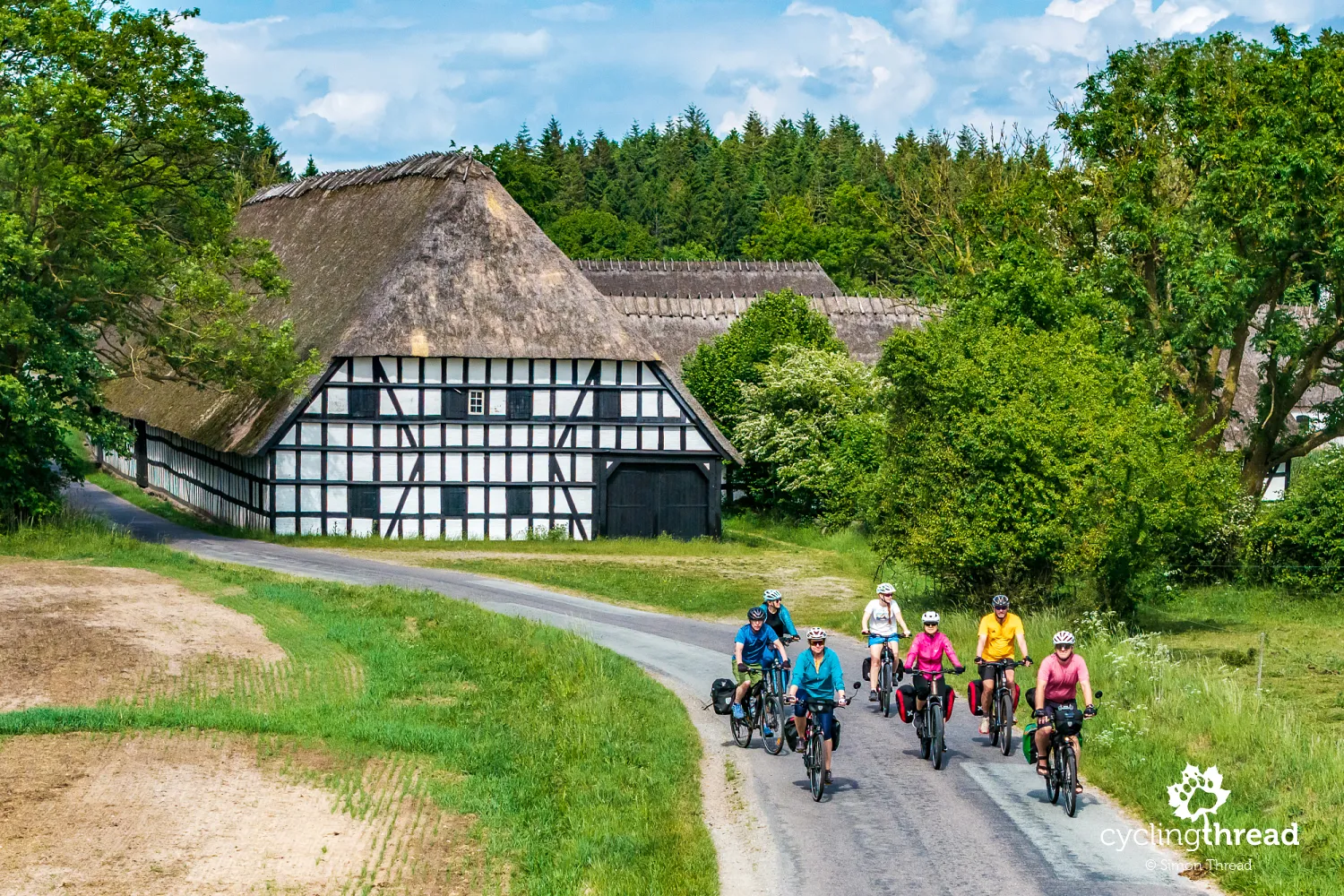
Castle Route (Herregårdsruten) - Funen, Denmark
The Castle Route crosses Funen and nearby islands in southern Denmark, using manor houses and castles as the historical theme of the journey. Quiet roads and cycle paths lead through farmland, small villages and gently rolling landscapes, with the sea often close to the route. Places such as Faaborg, Svendborg and Ærøskøbing provide attractive stops, while ferries between islands add variety to the itinerary. Good signposting and generally comfortable cycling conditions make the route straightforward to divide into several daily stages. Historic estates, half-timbered farms and coastal scenery remain recurring elements throughout the trip.
More: the Castle Route in Denmark
Back to topHave a safe ride! 💚
Simon Thread
(Szymon Nitka)
I'm a passionate cycling traveler and the voice behind Cycling Thread. I explore Europe on two wheels, documenting the most scenic routes, inspiring places and cyclist-friendly practices. My writing blends personal experience with practical insights and a deep love of travel. I'm also a contributor to National Geographic Traveler magazine.