Planning a bike trip - our 6 best cycling route planners
Get to know the cycling route planning platforms we use ourselves. This is not a ranking and not an attempt to pick the "best" tool. We use different planners depending on where we are going and how deeply we want to dive into planning. Sometimes a quick route sketch is enough, while at other times precision, surface type or inspiration from ready-made tracks matters more. Cycling planners complement each other well and it is worth understanding their individual strengths.
Join us on our new 🟢 Komoot account!
Cycling Partners



So what are cycling route planners? They are tools that help plan a ride from point A to point B in a way that matches your bike and riding style. They take into account surface type, terrain profile, road categories, and often access to cycling infrastructure. For cycle travellers, they are especially useful when planning multi-day routes, where not only distance but also comfort and safety matter. They make it easier to compare alternatives, avoid busy roads, or deliberately choose a more scenic option. Used well, they save time and help avoid unpleasant surprises on the road.
The best cycling route planners we use:
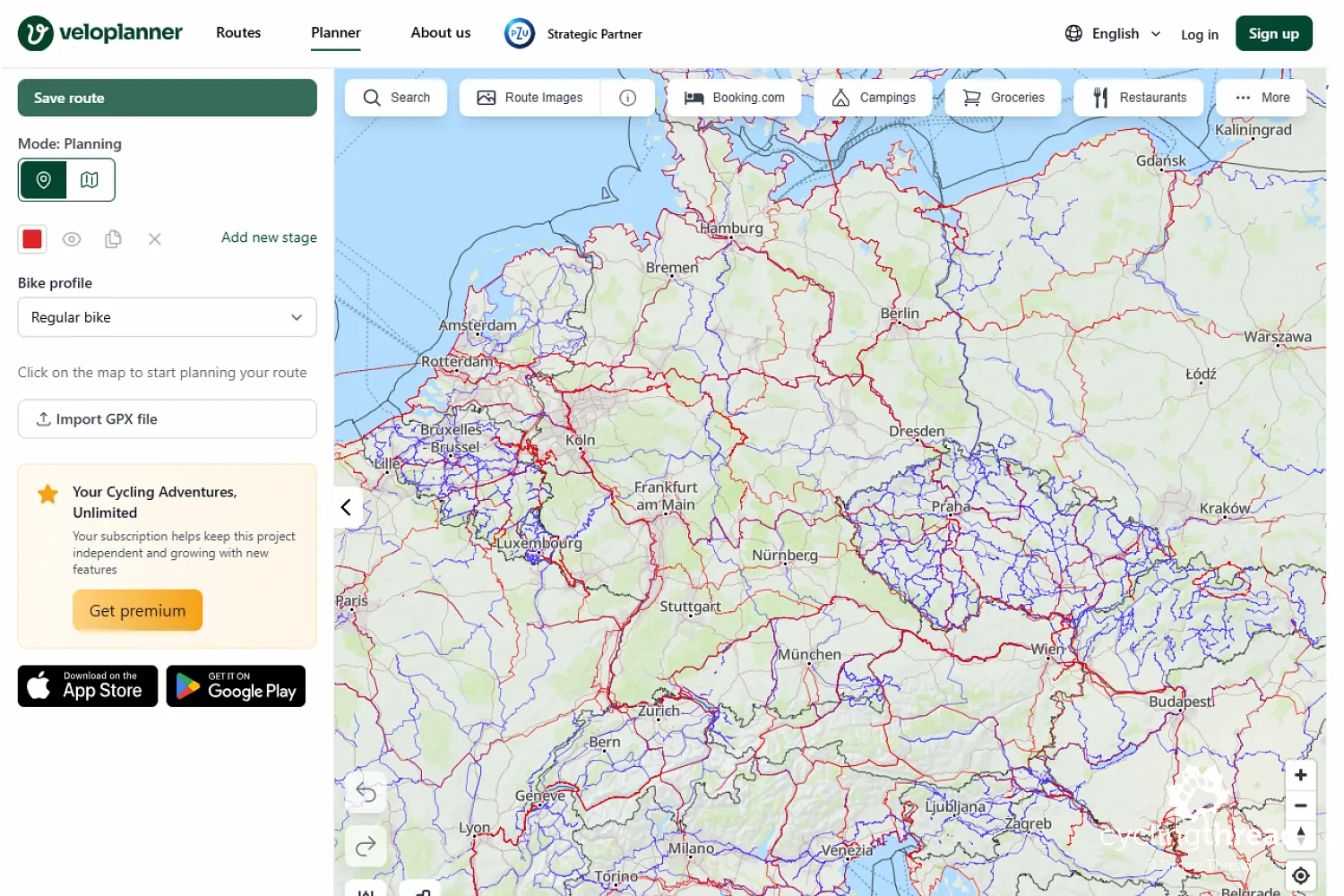
Veloplanner - www.veloplanner.com
Veloplanner is a tool designed with long-distance cycle touring and official route networks in mind. Its main strength is very accurate mapping of European cycling routes, including EuroVelo and many regional networks. Route planning is based on existing infrastructure rather than purely on a “shortest” or “fastest” algorithm. As a result, routes are usually logical and consistent with how signposted routes actually run on the ground. It is a relatively new planner that works particularly well for planning classic, multi-day journeys.
Veloplanner may not be the most visually polished tool, but it makes up for this with solid and reliable data. The interface is intuitive and allows you to reach the intended result quickly. You have a high level of control over the route and access to information that is often missing from other planners. Alongside the website, there is also a mobile app, although for me it remains primarily a desk-based planning tool. For cyclists travelling across Europe and following signed routes, it is a very dependable foundation.
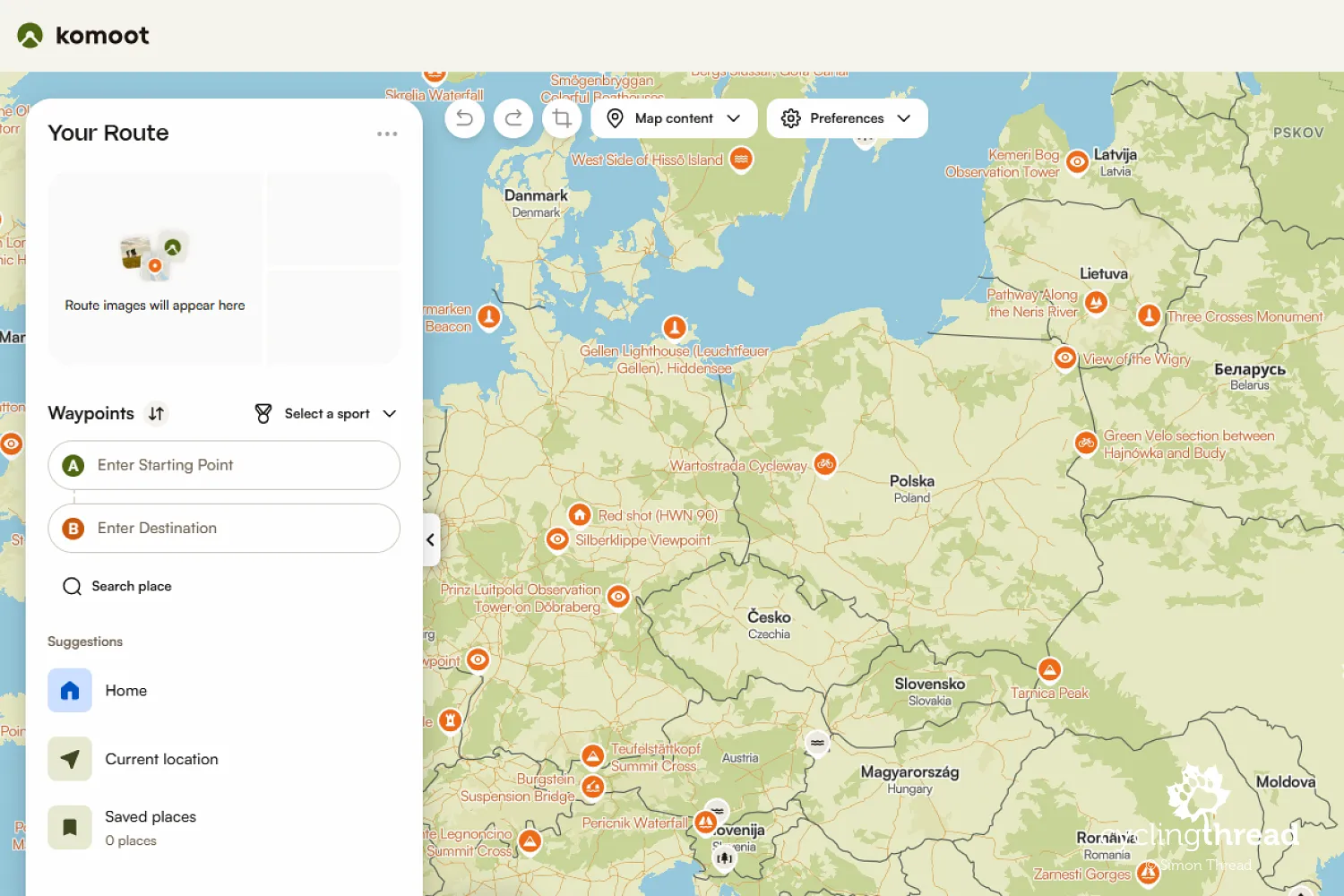
Komoot - www.komoot.com
Komoot is one of the most popular planners among recreational and touring cyclists. It combines route planning with inspiration and social features, which is a major advantage for many users. The algorithm generally does a good job of matching surface types and road categories to the selected riding style. Komoot is fast and intuitive, which makes it easy to use “on the fly”, even during a trip. It is a tool that actively encourages exploration.
On the other hand, Komoot can sometimes be a little too optimistic, especially away from main cycling routes. It may lead you along roads that are technically rideable but uncomfortable in practice. The real added value comes from user-generated routes and trip reports. The mobile app works well, including offline use. It is a planner that combines the roles of map, guide, and travel log.
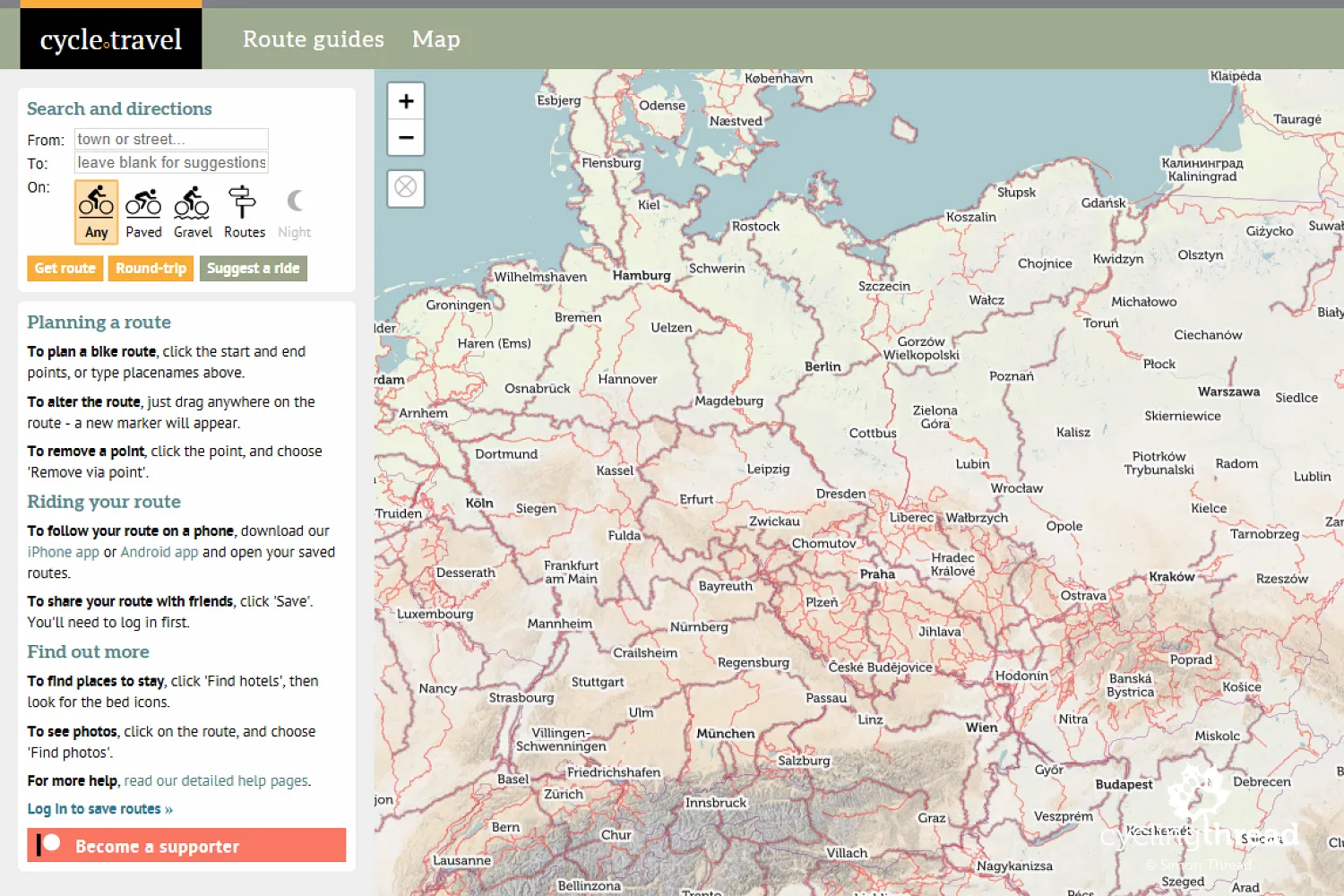
cycle.travel - www.cycle.travel
cycle.travel was designed with relaxed cycle touring and avoiding motor traffic in mind. Its algorithm consistently favours local roads, cycle routes, and quiet sections. It is one of the best tools for planning long-distance rides along less obvious roads. The planner performs particularly well in the UK and Western Europe. It is especially appreciated by riders looking for calm, continuity, and predictability.
The cycle.travel interface is simple and free of unnecessary extras. It focuses on the route itself, the elevation profile, and daily distances. The option to split a route into riding days is especially useful. There is no community aspect comparable to Komoot - this is more of a focused, personal project developed by a committed author. It suits riders who know where they want to go and want to get there as peacefully as possible.
Ride with GPS - www.ridewithgps.com
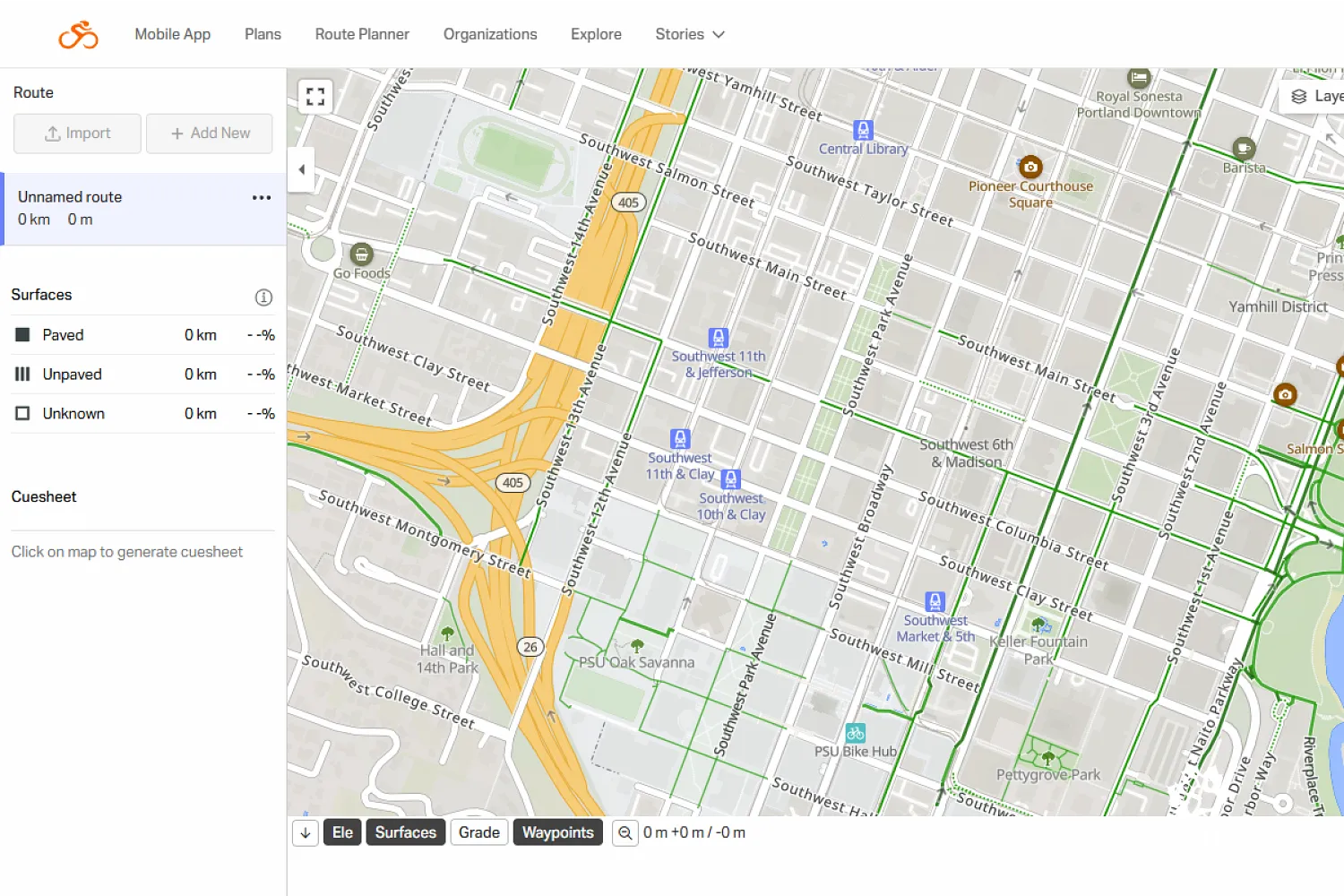
Ride with GPS is a tool that originates from the world of training and performance cycling. It offers very advanced options for drawing routes and analysing data. It works well for planning precise rides, including on mixed terrain. Users have a high degree of control over route shape and editing. It is a planner often chosen by more experienced cyclists.
In cycle touring, Ride with GPS is often seen as the most “technical” tool of the group. It is excellent for working with GPX files and refining existing routes. It focuses less on cycling infrastructure than cycle.travel or Veloplanner. In return, it offers very detailed elevation profiles, statistics, and analytical tools. It is a good choice if you like to keep everything under close control.
Bikemap - www.bikemap.net
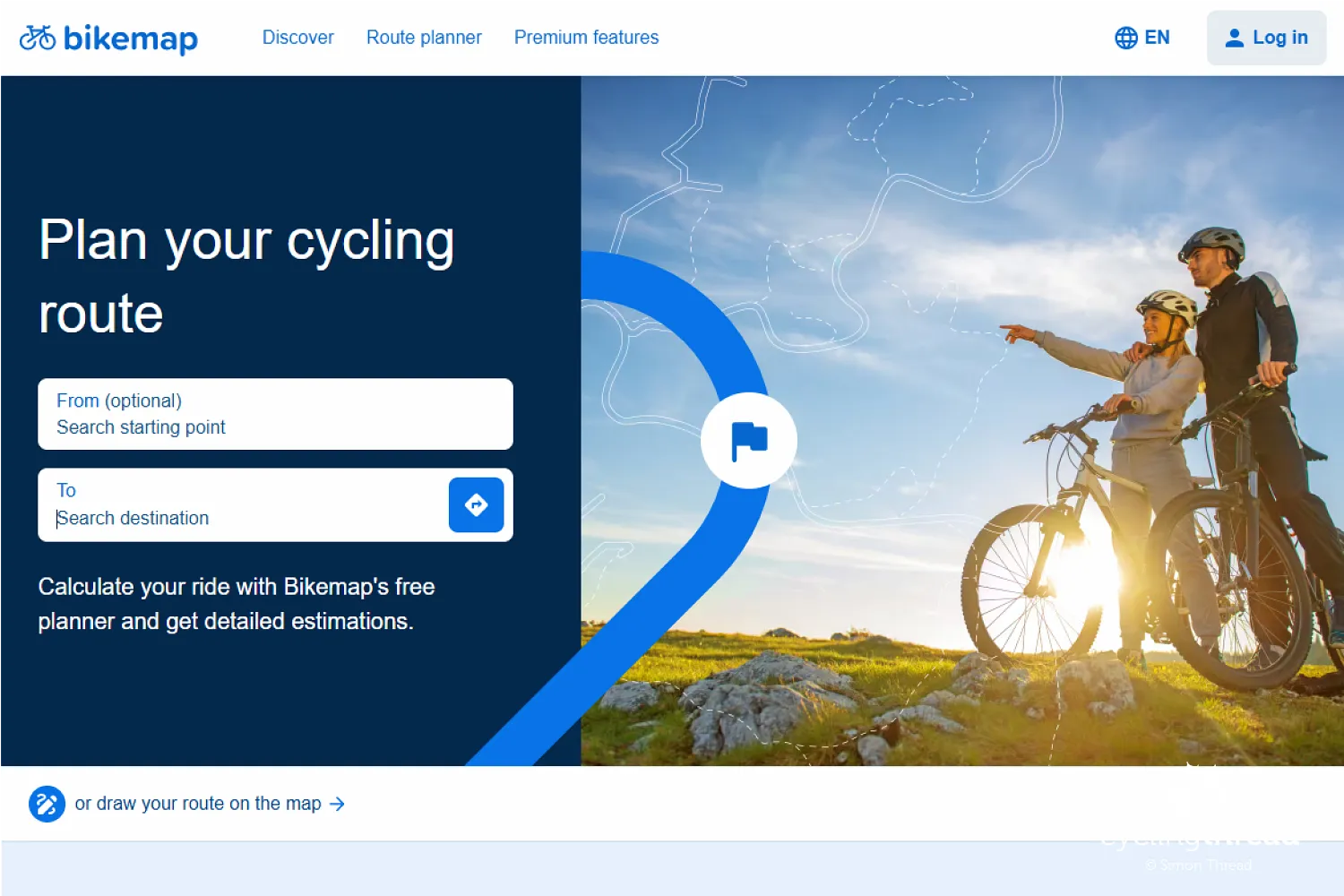
Bikemap is one of the oldest cycling route platforms and is strongly community-driven. Its greatest strength is a huge database of user-created routes from all over the world, covering many different riding styles. This makes it easy to find inspiration for short rides, daily trips, or relaxed routes in a new area. Planning is quick and straightforward, including on mobile. Bikemap works well as a tool for discovering local routes.
From a cycle touring perspective, Bikemap can be less precise than planners focused strictly on long-distance travel. Route quality depends heavily on the author and the region you are riding in. The routing algorithm is fairly generic and not always ideally suited to riding with panniers or at a relaxed pace. As a result, it works best as a complementary tool. It is worth checking routes carefully on the map and comparing them with other planners.
Wikiloc - www.wikiloc.com
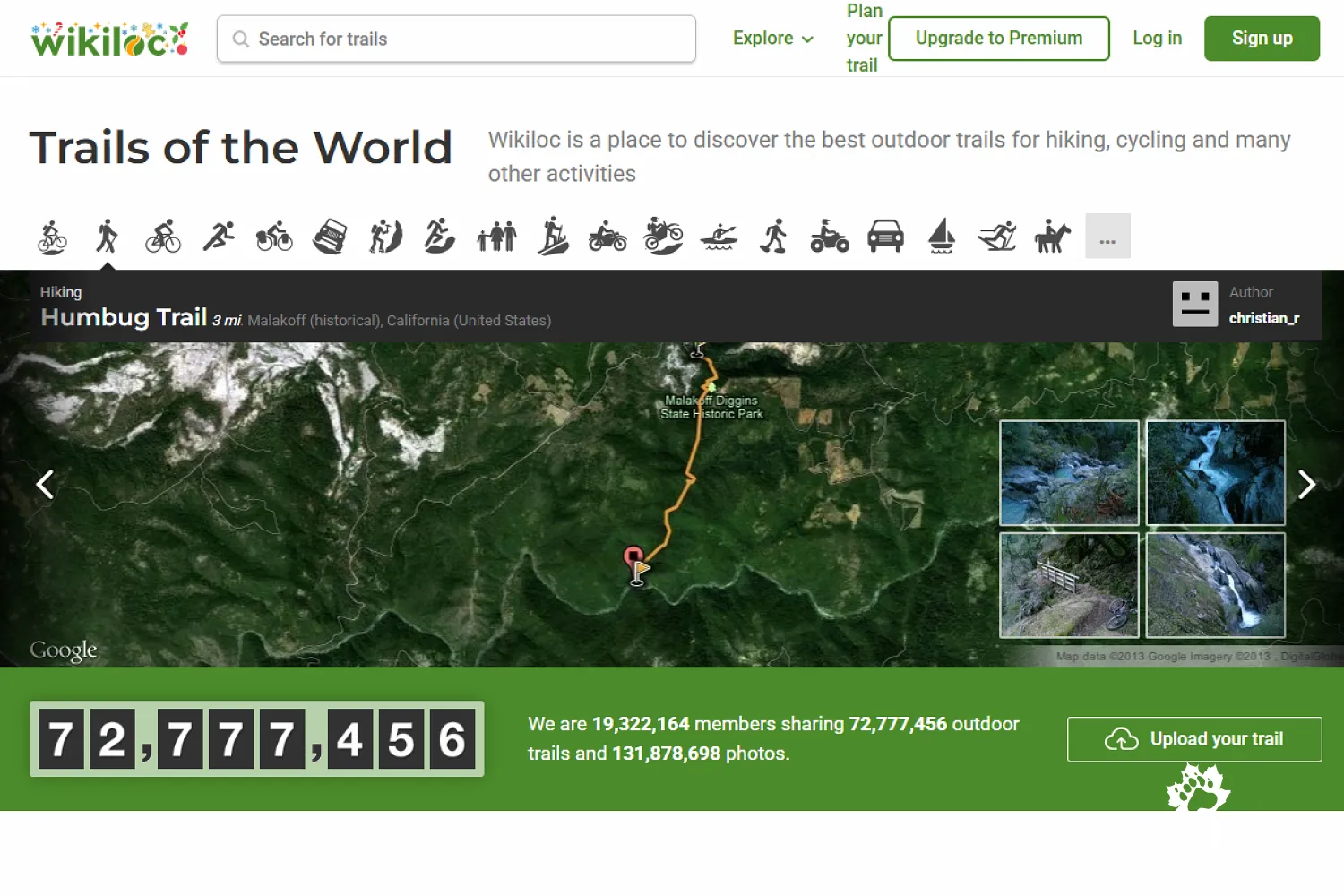
Wikiloc is a platform built mainly around routes shared by users. Over many years it has become a large source of inspiration, especially in less popular regions. You will find cycling routes alongside hiking and mountain trails. Planning often starts with browsing existing tracks rather than drawing a route from scratch. It is more of an exploratory tool than a pure planner.
As a planner, Wikiloc can be less predictable than other tools. Route quality depends on the experience of the person who uploaded it and how carefully the track was recorded and described. At the same time, it can lead you to places that standard algorithms simply do not cover. It works well as a supplement to other planners, particularly when you are looking for ideas for specific sections. It is a rich source of inspiration, but one that requires a critical and selective approach.
Back to top
Have a safe ride! 💚
Simon Thread
(Szymon Nitka)
I'm a passionate cycling traveler and the voice behind Cycling Thread. I explore Europe on two wheels, documenting the most scenic routes, inspiring places and cyclist-friendly practices. My writing blends personal experience with practical insights and a deep love of travel. I'm also a contributor to National Geographic Traveler magazine.