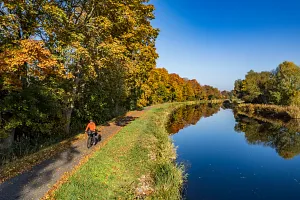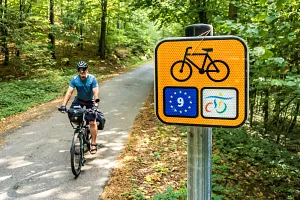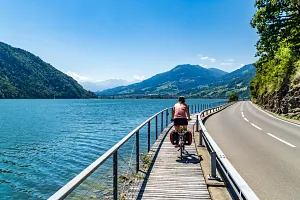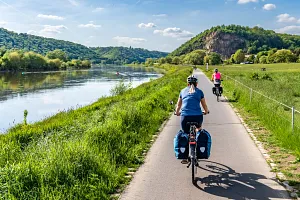
Infrastructure as an attraction - 17 inspiring cycling landmarks in Europe
Cycling infrastructure does not always have to be just a practical way to get from one place to another. Sometimes it becomes an attraction in itself - something we remember from a cycling trip just as well as a beautiful landscape, historic town or famous monument. I especially like places where good design, an unusual idea and the surrounding landscape come together to create a memorable cycling experience. They can make us choose one route over another, encourage us to explore a new region or simply add some fun to a day on the bike. This is what I call "infrastructure as an attraction".
Join us on our new 🟢 Komoot account!
Cycling Partners



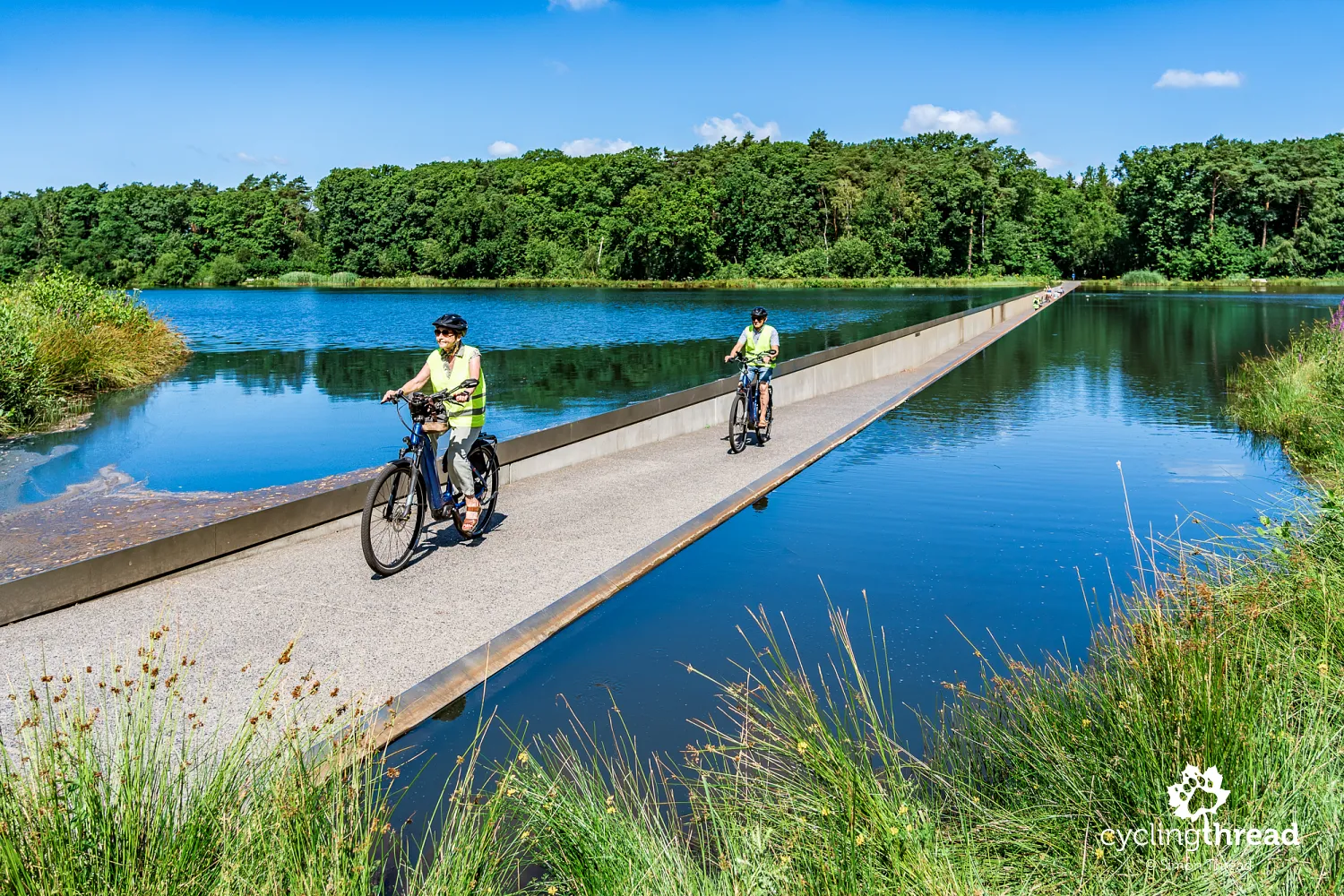
The most obvious examples are spectacular projects created especially for cyclists, with Belgian Flanders being the clear European leader in this field. Cycling through Water in Limburg is perhaps the best-known example, but the same role can be played by an old railway bridge brought back to life as a cycle path, a former railway line transformed into a greenway or even a historic mountain road. Sometimes it is an elevated path through a forest or a clever piece of infrastructure that makes crossing a river, valley or busy city surprisingly enjoyable. What connects all these places is that infrastructure stops being something we simply use and becomes part of the travel experience itself.
Cycling infrastructure that may inspire your next trip:
- Tremola Road (Strada della Tremola) - Switzerland
- Cycling through Water (Fietsen door het Water) - Flanders, Belgium
- Alpe-Adria Cycle Route (Ciclovia Alpe-Adria) - Italy
- Siekierki-Neurüdnitz European Bridge (Most Europejski Siekierki-Neurüdnitz) - West Pomerania, Poland
- Cycling through the Trees (Fietsen door de Bomen) - Flanders, Belgium
- Hessen Railway Cycle Route (Bahnradweg Hessen) - Hesse, Germany
- Old Railway Route (Stary Kolejowy Szlak) - West Pomerania, Poland
- Cycling between Terills (Fietsen tussen de Mijnterrils) - Flanders, Belgium
- Station Chiusaforte (Stazione di Chiusaforte) - Italy
- Rainbow Bike Path (Regenboogfietspad) - the Netherlands
- Cycling through the Heath (Fietsen door de Heide) - Flanders, Belgium
- Bicycle Snake (Cykelslangen) - Copenhagen, Denmark
- Coal Line Route (Kolenspoor) - Flanders, Belgium
- Eastern Ecopark (Ekopark Wschodni) - West Pomerania, Poland
- Calavon Cycle Route (Véloroute du Calavon) - Provence, France
- Station As - Flanders, Belgium
- Vistula Cycling Route (Wiślana Trasa Rowerowa) - Pomorskie, Poland
Don’t forget to follow us on Facebook and Instagram!
All photos by Simon Thread, Cycling Thread.
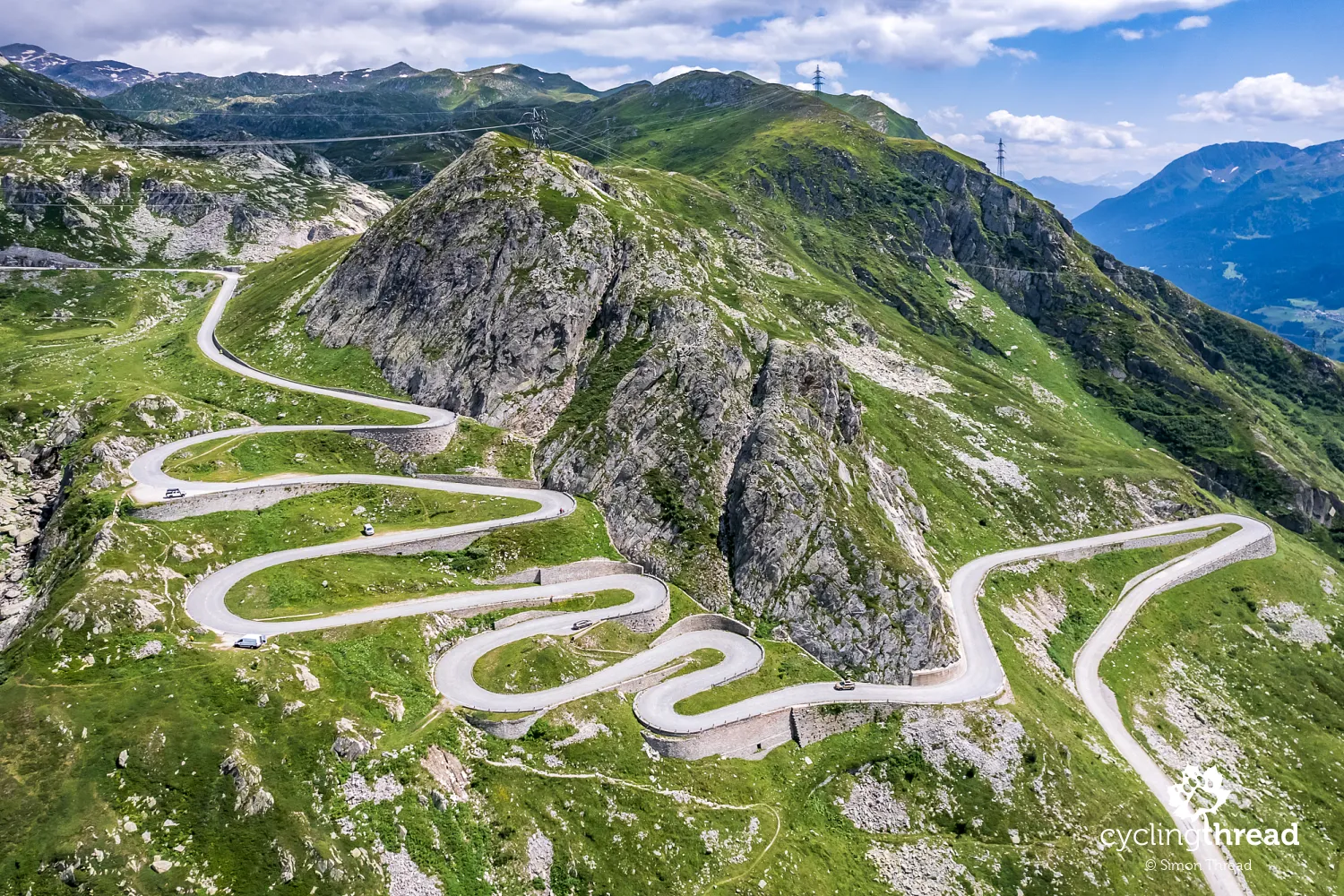
Tremola Road (Strada della Tremola) - Switzerland
Tremola Road is the historic cobbled road climbing towards the Gotthard Pass in the Swiss Alps. Built in its present form in the 19th century, it is famous for a spectacular series of tight hairpin bends supported by stone walls. For cyclists, Tremola is part of Switzerland's North-South Route, connecting the German-speaking part of the country with Ticino and the south. The old road has largely lost its original transport function, but its cobblestones, bends and mountain setting have turned it into one of the most memorable sections of a cycle route in Europe. Much of the climb still follows the original granite paving, winding up the mountainside in a succession of closely stacked switchbacks.
More: North-South Route - Switzerland
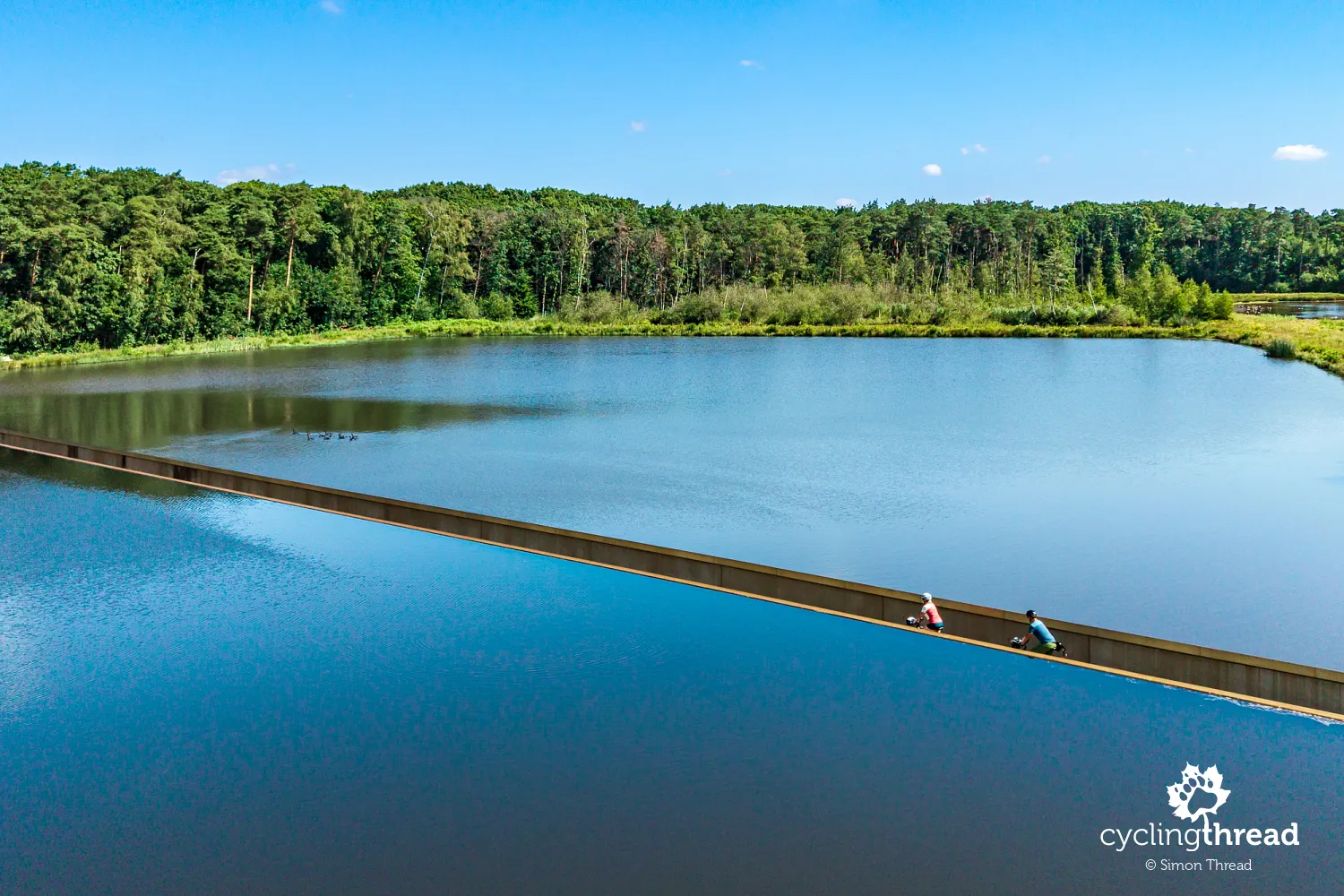
Cycling through Water (Fietsen door het Water) - Flanders, Belgium
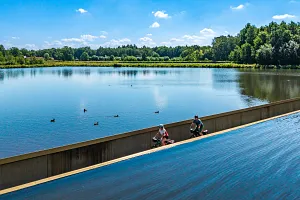
A cycle path disappearing below the surface of a lake is the idea behind Cycling through Water, or Fietsen door het Water, in Belgian Limburg. Since 2016, cyclists in Bokrijk have been able to ride along a 200-metre sunken concrete path, with the water reaching almost to eye level on both sides. Seen from the shore, the construction creates the impression that people are cycling directly through the lake. The path forms part of Flanders' cycle node network and has become one of its most distinctive landmarks. Its unusual design also brings cyclists remarkably close to the surrounding nature, with ducks and other water birds often swimming alongside the path.
More: Flanders Route - Flanders, Belgium
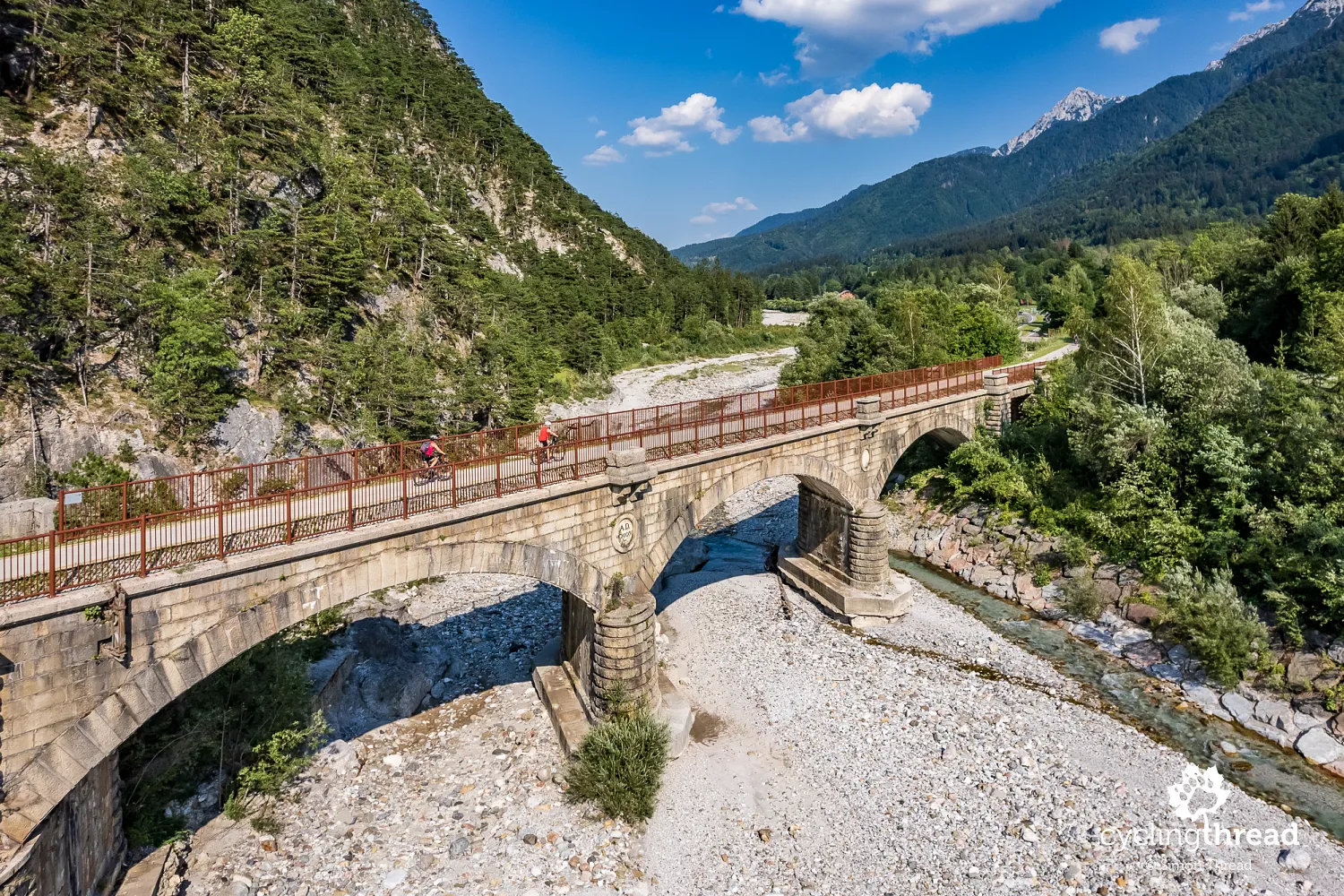
Alpe-Adria Cycle Route (Ciclovia Alpe-Adria) - Italy
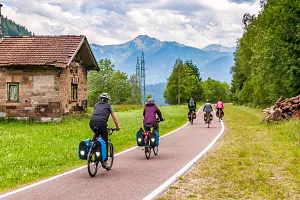
One of the most spectacular sections of the Alpe-Adria Cycle Route follows a former railway line for around 50 kilometres through Friuli-Venezia Giulia in northern Italy. After the railway was closed, its route was transformed into an excellent cycle path, retaining much of the original engineering infrastructure. Cyclists ride through numerous old railway tunnels and cross bridges and stone viaducts that once carried trains through the narrow Alpine valleys. The gentle gradients designed for railway traffic make cycling surprisingly comfortable despite the mountainous surroundings. Long stretches away from roads, combined with tunnels, bridges and dramatic views, make the former railway one of the highlights of the journey towards the Adriatic.
More: Alpe-Adria Cycle Route - Italy

Siekierki-Neurüdnitz European Bridge (Most Europejski Siekierki-Neurüdnitz) - West Pomerania, Poland
The Siekierki-Neurüdnitz European Bridge gives a former railway crossing over the Oder a new role as a cross-border cycling and walking route between Poland and Germany. The railway bridge was built in the 19th century, rebuilt after the Second World War and remained closed to regular traffic for decades before being adapted for cyclists and pedestrians. Today, the two-part crossing is around 800 metres long and connects West Pomerania with Brandenburg. A viewing platform has been created above the bridge structure, offering a wide view over the river and the surrounding wetlands of the Lower Oder Valley. The crossing also forms part of the long-distance Oder-Neisse Cycle Route, which follows the Polish-German border towards the Baltic Sea.
More: Tour Brandenburg - Germany

Cycling through the Trees (Fietsen door de Bomen) - Flanders, Belgium
Cycling through the Trees, or Fietsen door de Bomen, takes cyclists up among the treetops in the Bosland forest in Limburg. Opened in 2019, the cycle path forms a 700-metre double circle that gradually climbs to a height of around ten metres above the forest floor. Its gentle gradient allows cyclists to reach the top almost without noticing the climb, while the two levels of the path create an unusual spiral between the pine trees. The structure is around 100 metres in diameter and is supported by slender steel columns designed to blend into the surrounding forest. It is part of cycle node network in Limburg and can be ridden in both directions.
More: Flanders Route - Flanders, Belgium
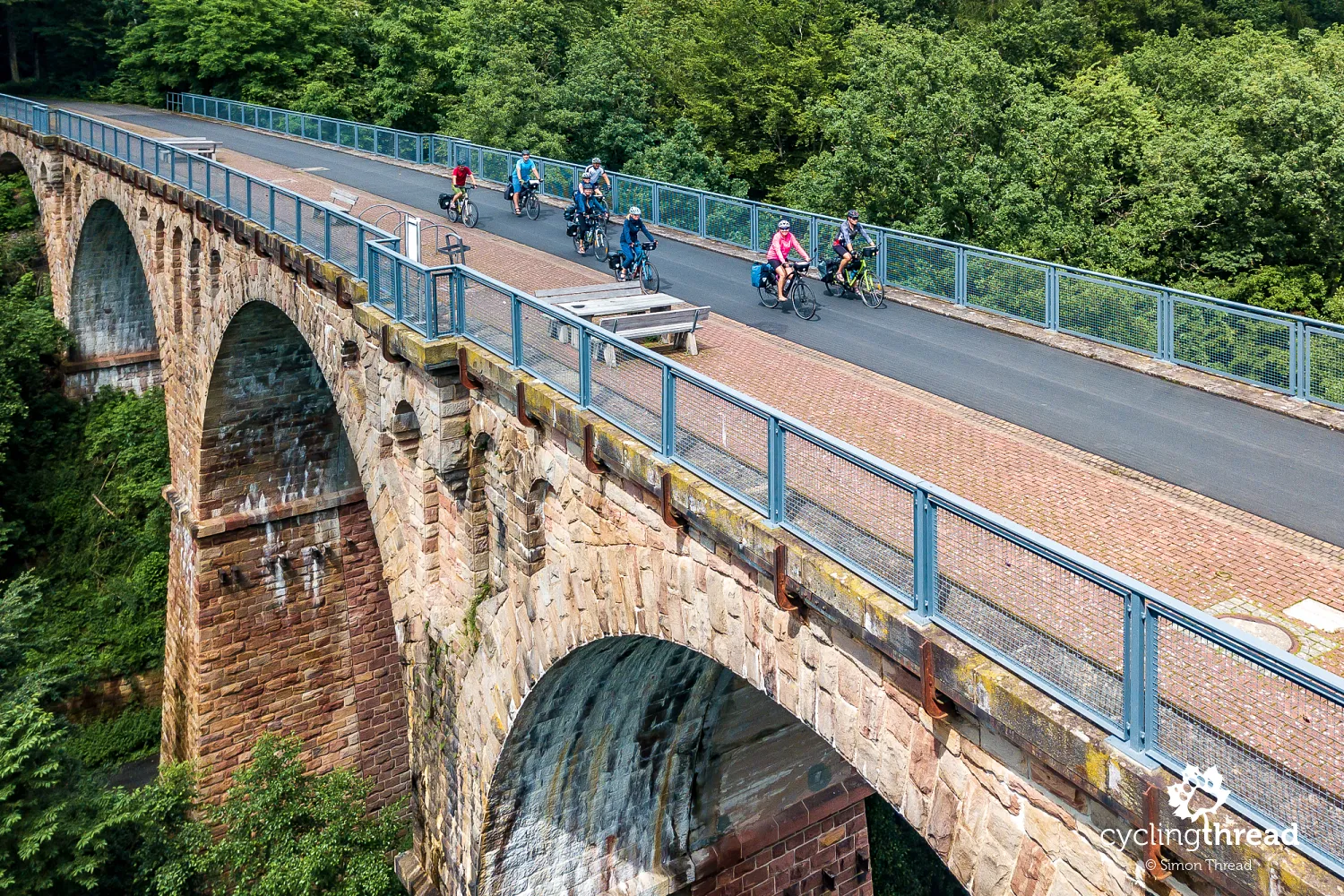
Hessen Railway Cycle Route (Bahnradweg Hessen) - Hesse, Germany
The Hessen Railway Cycle Route combines several former railway lines across the hilly landscapes of central Germany into a journey of around 250 kilometres. Known locally as Bahnradweg Hessen, it offers long stretches of smooth, traffic-free cycling with the gentle gradients typical of old railways. One of its most impressive structures is the 1.2-kilometre Milseburg Tunnel, once used by trains crossing the Rhön and now open to cyclists for most of the year. Another highlight is the historic Klausmarbach Viaduct, a high stone railway bridge carrying the cycle route above a wooded valley. Old cuttings, embankments and smaller bridges keep the railway heritage visible throughout the journey.
More: Hessen Railway Cycle Route - Hesse, Germany
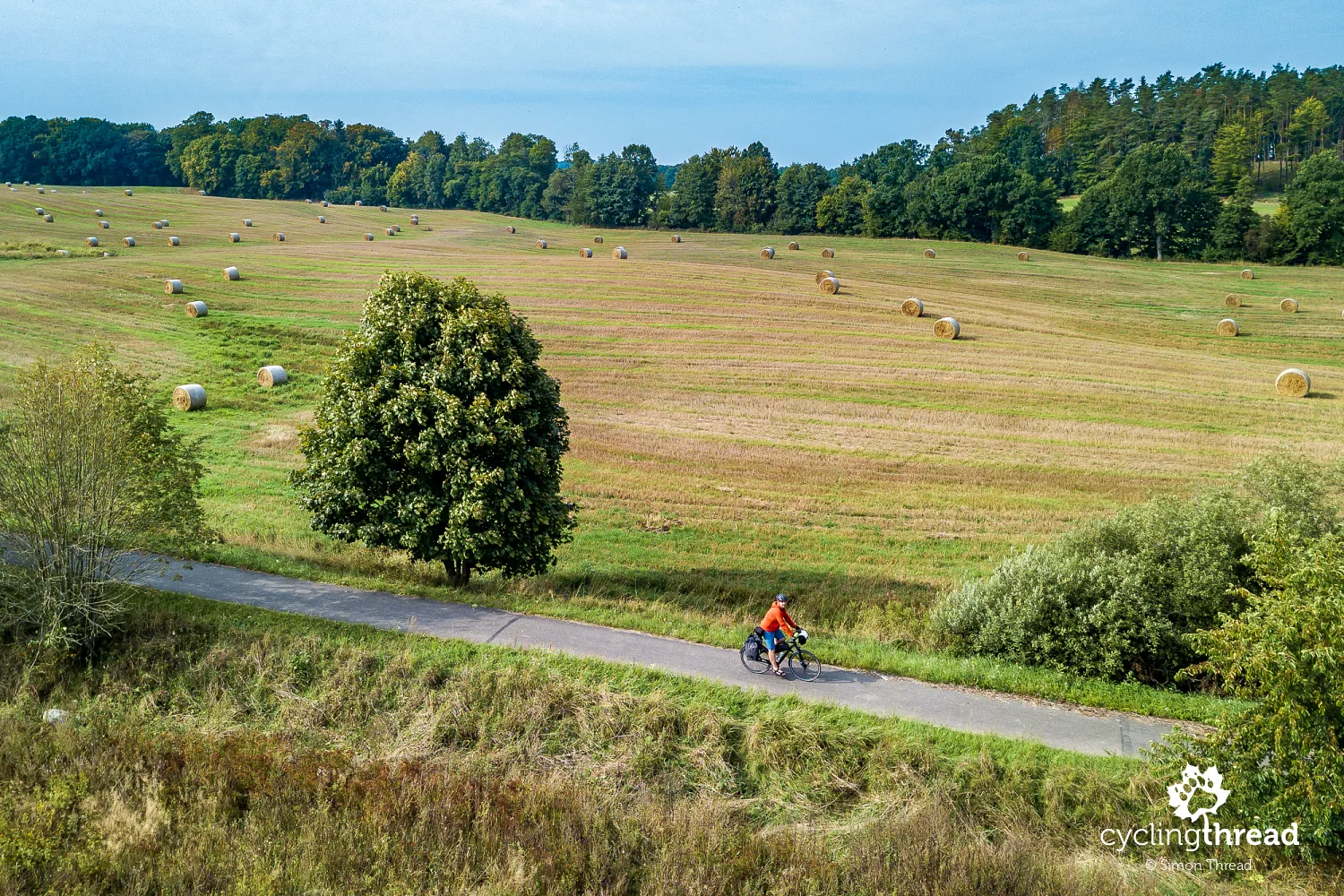
Old Railway Route (Stary Kolejowy Szlak) - West Pomerania, Poland
The Old Railway Route in Western Pomerania shows how an entire network of abandoned railway lines can be transformed into long-distance cycling infrastructure. Known in Poland as Stary Kolejowy Szlak, it combines long, continuous sections of former railway trackbeds into one of the most extensive rail-trail cycling routes in Europe. The route crosses the region between the Baltic coast and the inland lake districts, often running for many kilometres away from road traffic. Former railway embankments, cuttings and bridges are still clearly visible along the way, while the old alignments provide long, straight sections and gentle gradients. Rather than reusing a single railway line, the project has given a new function to a substantial part of Western Pomerania's former railway network.
More: Old Railway Route - West Pomerania, Poland

Cycling between Terills (Fietsen tussen de Mijnterrils) - Flanders, Belgium
Cycling between Terrils, or Fietsen tussen de Mijnterrils, leads cyclists across the water between two former mining spoil heaps in Limburg. Opened in 2024 at Terhills in Maasmechelen, the attraction consists of a 380-metre floating cycle path stretching across a lake created by the region's mining past. The path runs between the Lange Terril and Tweelingterril, placing cyclists directly in the post-industrial landscape of the former Eisden coal mine. Its low position above the water creates wide views towards the green slopes of the terrils rising on both sides. The combination of water, regenerated mining land and new cycling infrastructure gives the former industrial site a completely different character.
More: Flanders Route - Flanders, Belgium

Station Chiusaforte (Stazione di Chiusaforte) - Italy
The former Chiusaforte railway station in northern Italy has found a new role beside the Alpe-Adria Cycle Route. Trains disappeared from this section of the old railway decades ago, but the station building and platforms remain directly beside the cycle path. Today, the building houses a restaurant and bar, while rooms upstairs offer cyclists a place to stay overnight. On busy summer days, as many as around 100 bicycles can be parked outside at the same time, showing how popular the station has become among cycling travellers. The platforms, tracks and other railway details still make its original function immediately recognizable.
More: Alpe-Adria Cycle Route - Italy
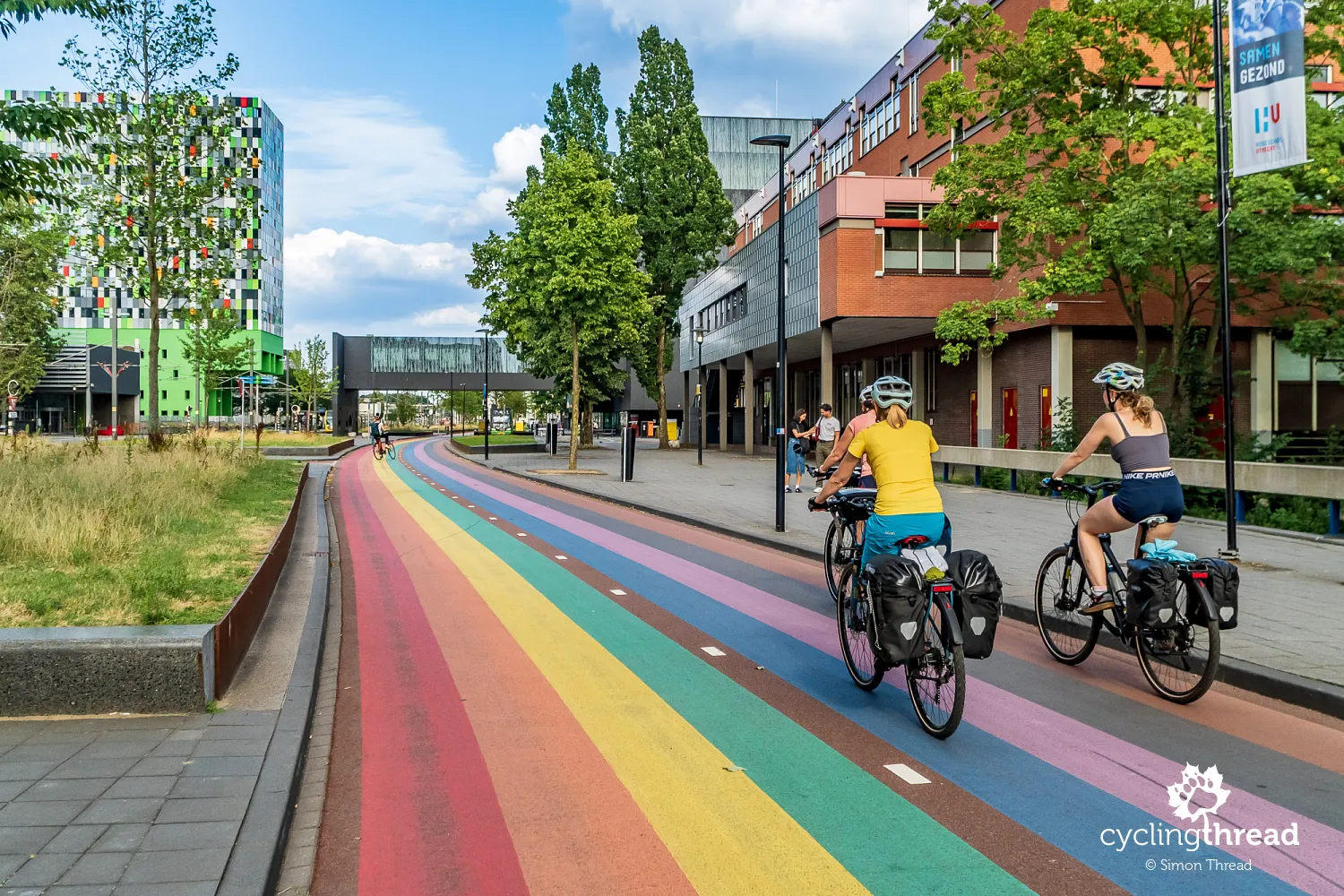
Rainbow Bike Path (Regenboogfietspad) - the Netherlands
Colour rather than engineering makes the Rainbow Bike Path in Utrecht stand out from the city's extensive cycling infrastructure. Located at Utrecht Science Park, the 570-metre path was created in 2021 and is covered with the colours of the rainbow along its entire length. It was designed as a visible symbol of diversity and inclusion, while remaining a fully functional part of the local cycling network used every day by students, employees and residents. The project shows that even a relatively ordinary piece of cycling infrastructure can become a recognizable place through a simple visual idea. Its long bands of colour are particularly striking from above, turning the path into a distinctive feature of the university district.
More: Waterline Route - the Netherlands

Cycling through the Heath (Fietsen door de Heide) - Flanders, Belgium
A wooden cycling bridge rising above the heathland is the central feature of Cycling through the Heath in Limburg. The four-kilometre route crosses the De Wijers landscape near Zonhoven, passing through open heath, woodland and areas shaped by numerous ponds. Its most distinctive section lifts cyclists above the ground on a long elevated structure, providing a different perspective on the surrounding landscape. Instead of separating the cycle route from this sensitive natural area, the design allows cyclists to experience it from above while limiting their impact on the terrain. The changing colours of the heath make the ride particularly striking in late summer, when large areas turn purple.
More: Flanders Route - Flanders, Belgium
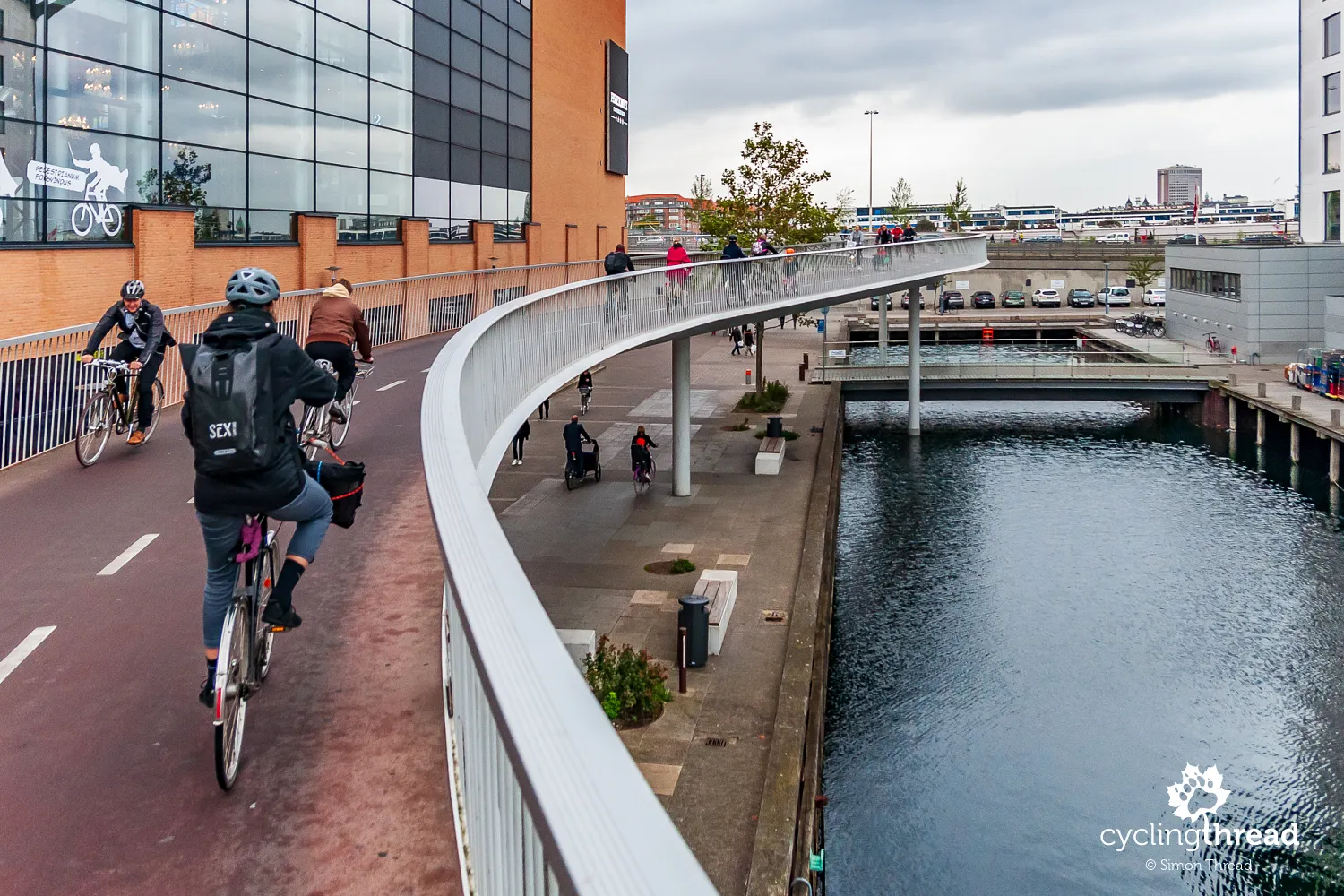
Bicycle Snake (Cykelslangen) - Copenhagen, Denmark
The Bicycle Snake in Copenhagen turns a difficult urban connection into one of the city's most distinctive cycling experiences. Known locally as Cykelslangen, the 230-metre elevated cycle path curves between buildings and above the harbour area, allowing cyclists to bypass stairs, pedestrians and busy ground-level spaces. Opened in 2014, its orange surface and flowing shape make the structure immediately recognizable from both the street and the water. The bridge provides a smooth connection between Bryggebroen and the higher level of Dybbølsbro, removing what was previously an inconvenient interruption in an important cycling corridor. Thousands of cyclists use the gently curving ramp every day as part of their regular journeys through the city.
More: EuroVelo 10 - Copenhagen, Denmark
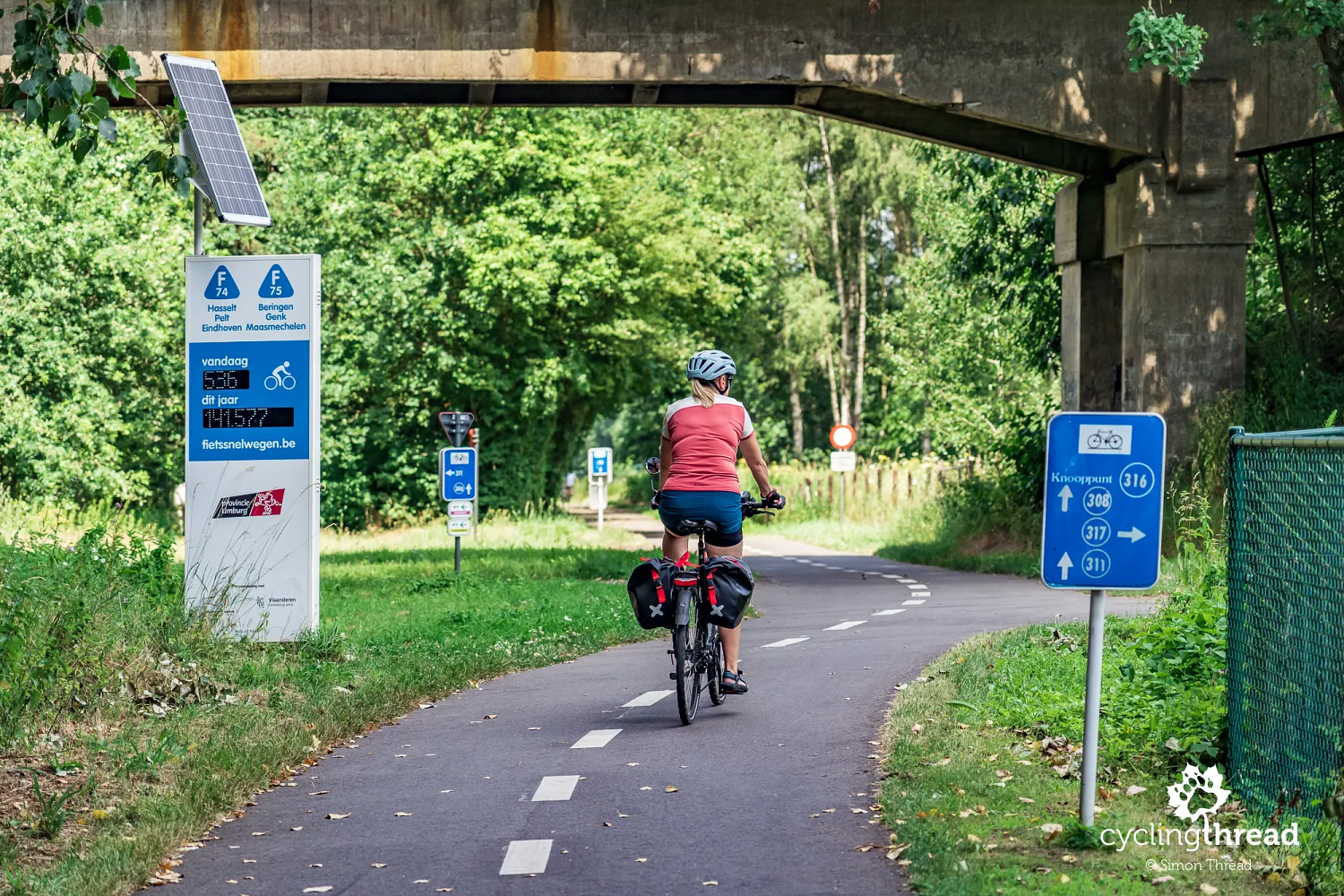
Coal Line Route (Kolenspoor) - Flanders, Belgium
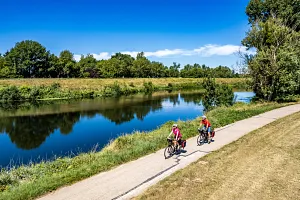
The Coal Line Route in Belgian Limburg reuses railway infrastructure once built to serve the region's coal mines. Known locally as Kolenspoor, the former railway corridor now carries the F75 cycle highway, forming part of Flanders' growing network of fast, direct cycling routes. Around 30 kilometres of the route connect As, Genk, Zonhoven and Houthalen, largely separated from motor traffic. Parts of the old railway ballast remain visible beside the smooth cycle path, while bridges, cuttings and other railway structures reveal the corridor's industrial origins. New bridges and connections have gradually turned the former coal railway into an important piece of everyday and long-distance cycling infrastructure.
More: Kempen Route - Flanders, Belgium
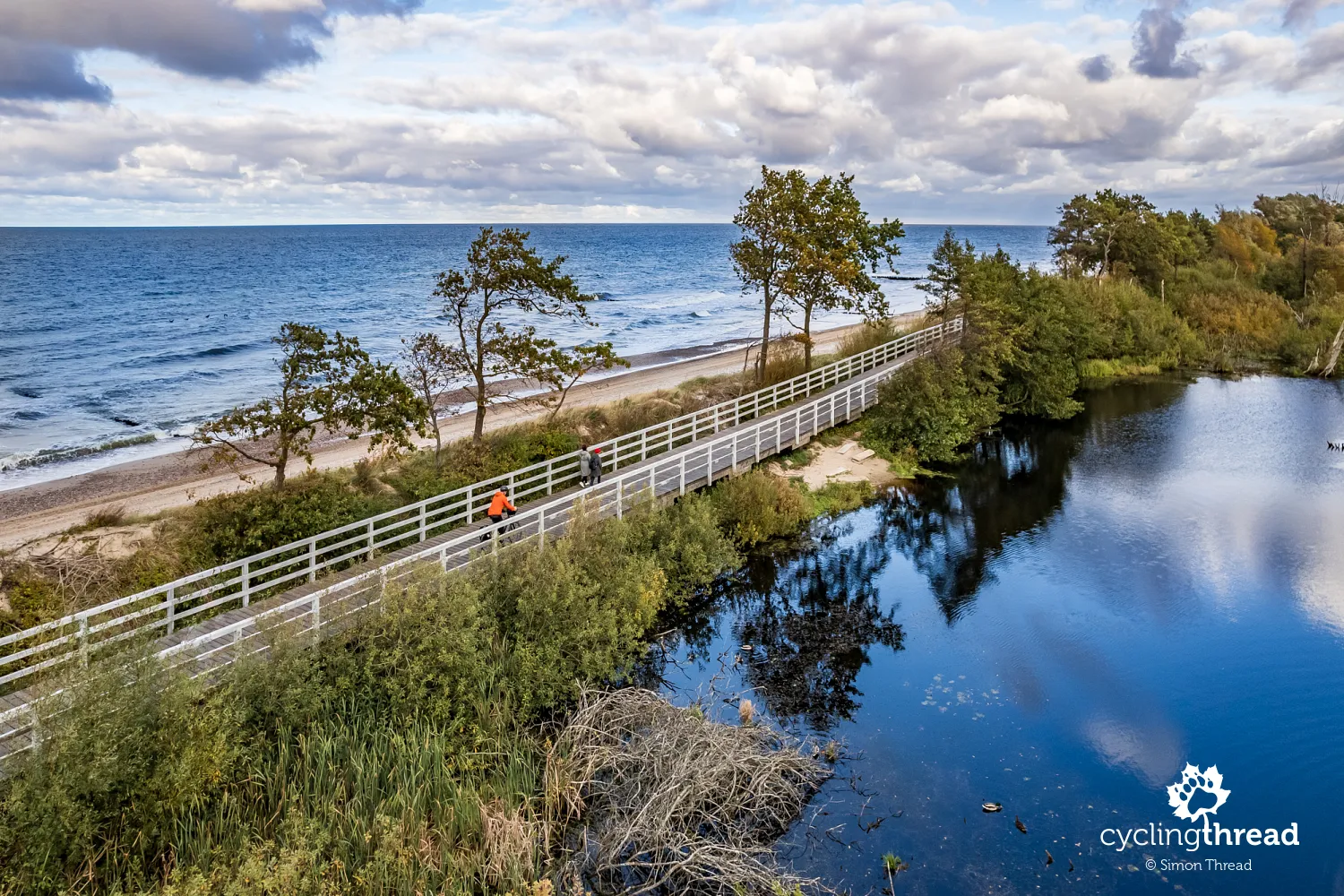
Eastern Ecopark (Ekopark Wschodni) - West Pomerania, Poland
A long wooden boardwalk carries cyclists across the wetlands of the Eastern Ecopark on the Baltic coast near Kołobrzeg in Poland. It crosses the area around Solne Bagno, a wetland separated from the sea by a narrow strip of dunes and forest. Instead of bypassing this sensitive landscape, the cycling route enters it on a raised wooden structure above the wet ground and surrounding vegetation. The boardwalk provides open views across reeds, water and coastal marshes while keeping cyclists away from the most fragile parts of the ecosystem. Its unusual setting makes this short piece of infrastructure one of the most memorable sections of the coastal cycling route through Western Pomerania.
More: Velo Baltica - West Pomerania, Poland
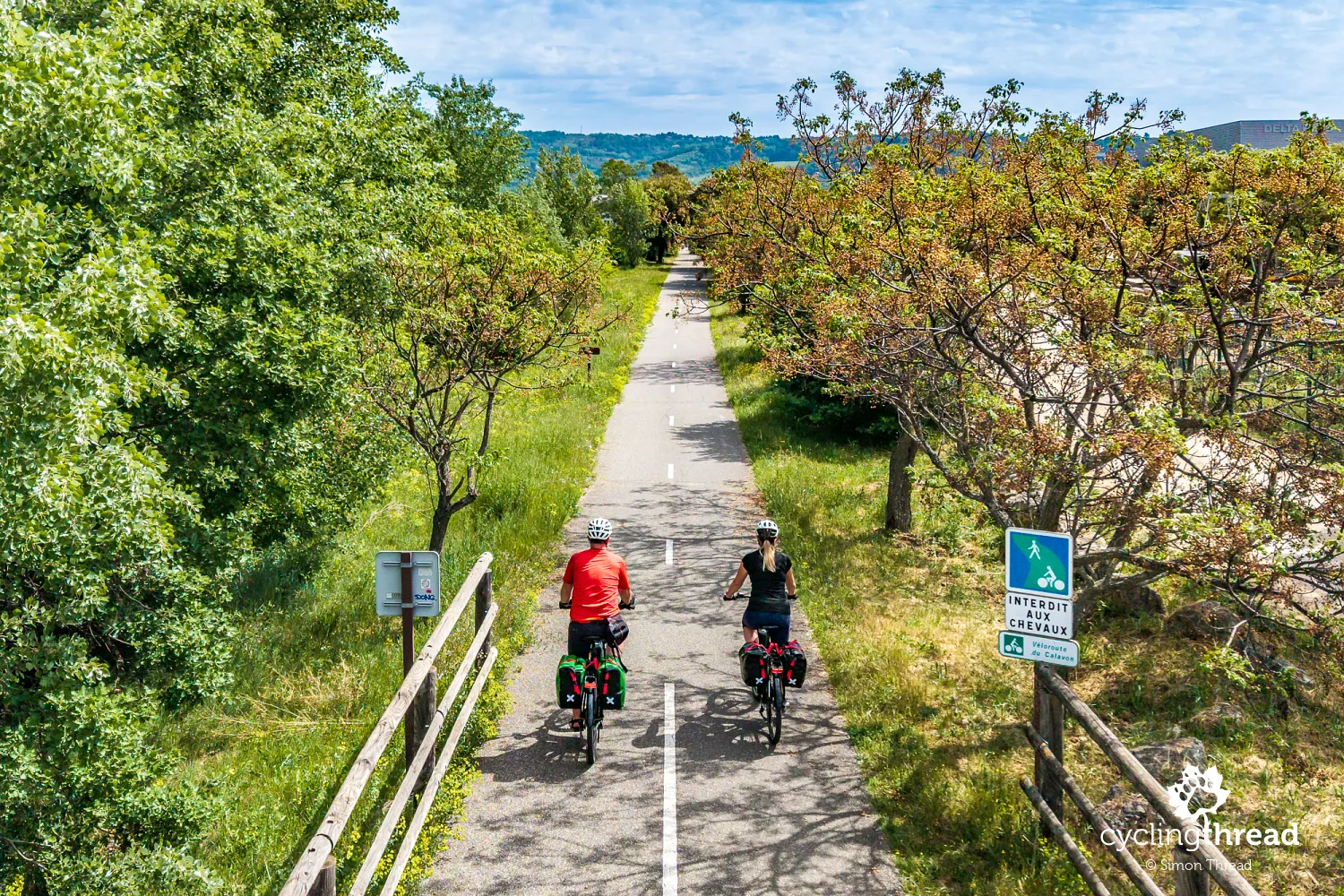
Calavon Cycle Route (Véloroute du Calavon) - Provence, France
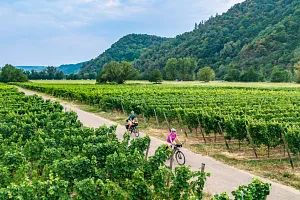
The Calavon Cycle Route follows a former railway corridor through the Luberon landscape in Provence, combining everyday local cycling with an attractive route for visitors exploring the region. Its smooth, mostly traffic-free surface connects towns and villages around Cavaillon and Apt, making it useful for short daily journeys as well as longer cycling trips. The railway past remains visible in former stations and other structures standing beside the route, several of which have found new uses. Near Bonnieux, cyclists cross the Calavon on the historic Pont Julien, a Roman stone bridge built more than 2,000 years ago. Vineyards, orchards and views towards the Luberon mountains accompany much of the ride.
More: Calavon Cycle Route - Provence, France
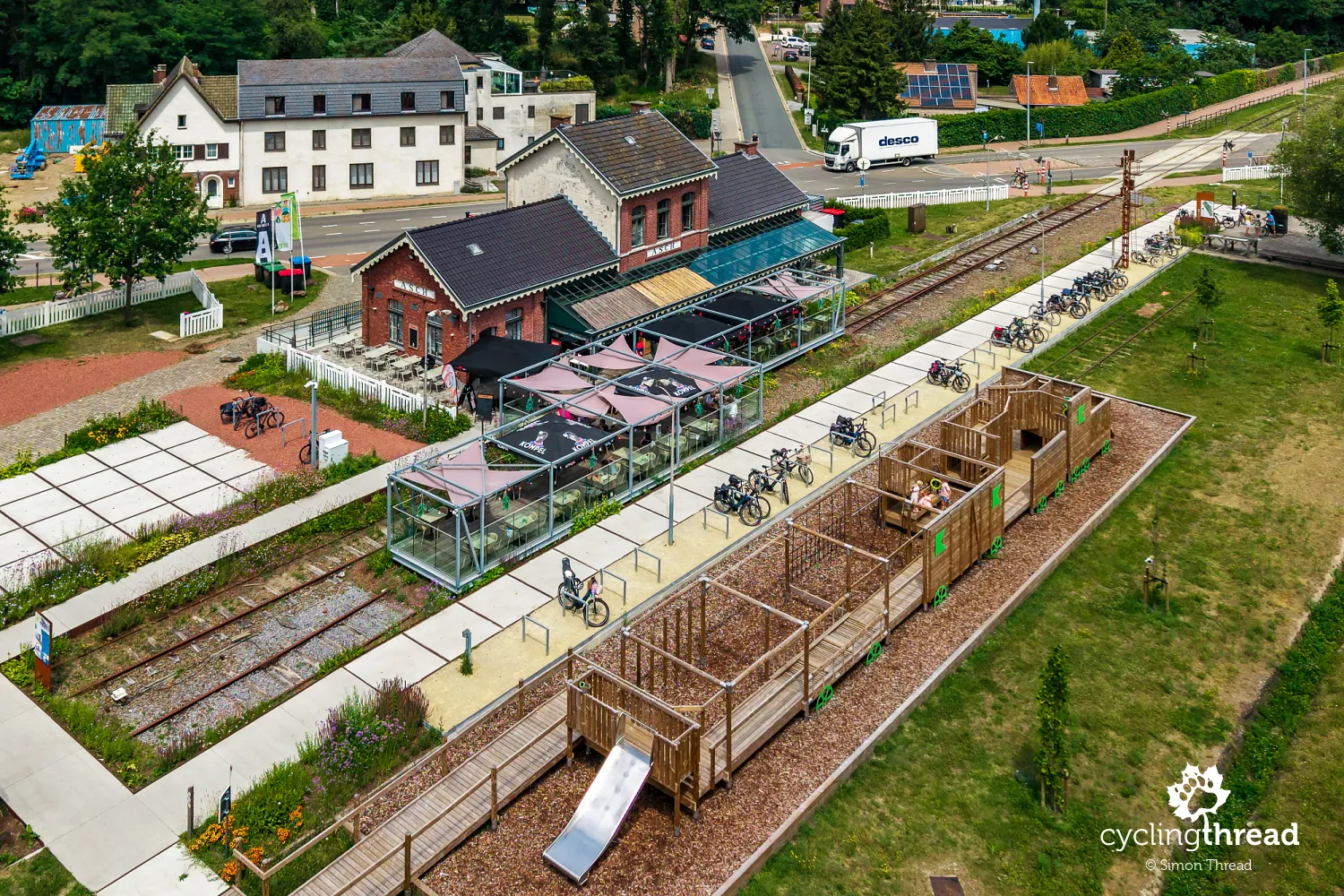
Station As - Flanders, Belgium
The former As railway station in Flanders preserves a piece of the transport history of Limburg in a place now closely connected with cycling. The station dates from the early 20th century and once served railway traffic linked to the rapid development of the region's coal mines. Today, the old railway corridor has become part of the local cycling infrastructure, while the station building, tracks and exceptionally long platform still recall its original function. Bicycle parking now occupies part of the platform, and the former station building houses a restaurant. The combination of preserved railway architecture and a new cycling role makes As an interesting stop on a journey through the region's industrial landscape.
More: Flanders Route - Flanders, Belgium
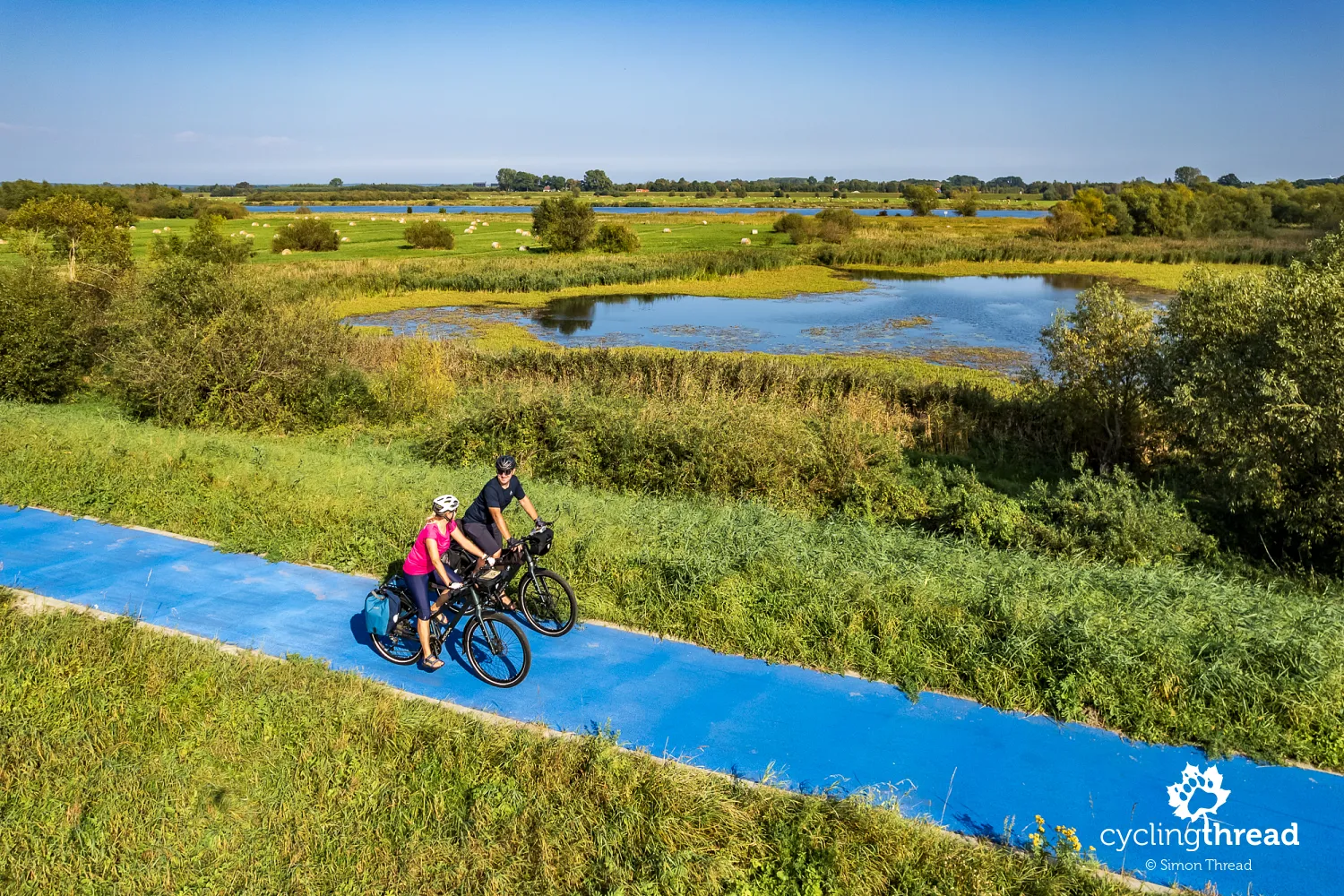
Vistula Cycling Route (Wiślana Trasa Rowerowa) - Pomorskie, Poland
One of the most unusual sections of the Vistula Cycling Route near Gdańsk is a cycle path with a bright blue surface. The colour is not accidental - the path runs exactly where the main channel of the Vistula once flowed towards Gdańsk. This changed after the construction of the Vistula Cut, a new artificial mouth built between 1891 and 1895 to lead the river directly towards the Baltic Sea. The new channel was officially opened on 31 March 1895, while the former branch eventually became part of what is now known as the Dead Vistula. The blue surface makes this important change in the geography and history of the Vistula visible to cyclists more than a century later.
More: Vistula Cycling Route - Pomorskie, Poland
Back to topHave a safe ride! 💚
Simon Thread
(Szymon Nitka)
I'm a passionate cycling traveler and the voice behind Cycling Thread. I explore Europe on two wheels, documenting the most scenic routes, inspiring places and cyclist-friendly practices. My writing blends personal experience with practical insights and a deep love of travel. I'm also a contributor to National Geographic Traveler magazine.