The routes less cycled - 13 hidden cycling gems in Europe [2026]
Many good cycle routes in Europe are less cycled not because they lack quality, but because they sit slightly outside the main tourist focus. Some run through regions that rarely appear in cycling headlines, others are relatively new, while some are simply less promoted by their regions. The routes presented here, all ridden by us, stand out for their cycling quality and a strong sense of place. We selected them based on how they feel when ridden, drawing on our own impressions and cycling experience.
Join us on our new 🟢 Komoot account!
Cycling Partners



All of them are complete routes, well suited to multi-day cycling trips and regular travel use. Along the way, they pass through lake districts, river valleys, post-industrial landscapes and natural, sparsely populated regions. The routes are often supported by cyclist-friendly places, which makes travelling and staying in the region easier. With the exception of Lapland, all provide safe and comfortable riding conditions and a level of accessibility suitable for a wide range of cyclists.
The great cycle routes in Europe you haven't ridden yet:
- Velo Dunajec - Małopolska, Poland
- Waterline Route - the Netherlands
- Around the Luberon Cycle Route - Provence, France
- Castle Route - Funen, Denmark
- Aare Route - Switzerland
- GeoRoute Altmühl Valley - Franconia, Germany
- Carinthian Lake Loop - Carinthia, Austria
- Szczecin Lagoon Cycle Route - Poland, Germany
- Oder-Spree-Tour - Brandenburg, Germany
- Lower Lusatia Mining Route - Brandenburg, Germany
- Cycling Vorarlberg - Austria
- Jura Cycle Route - Switzerland
- Central Lapland Gravel Loop - Lapland, Finland
Don't forget to follow us on Facebook and Instagram!
All photos by Simon Thread, Cycling Thread.
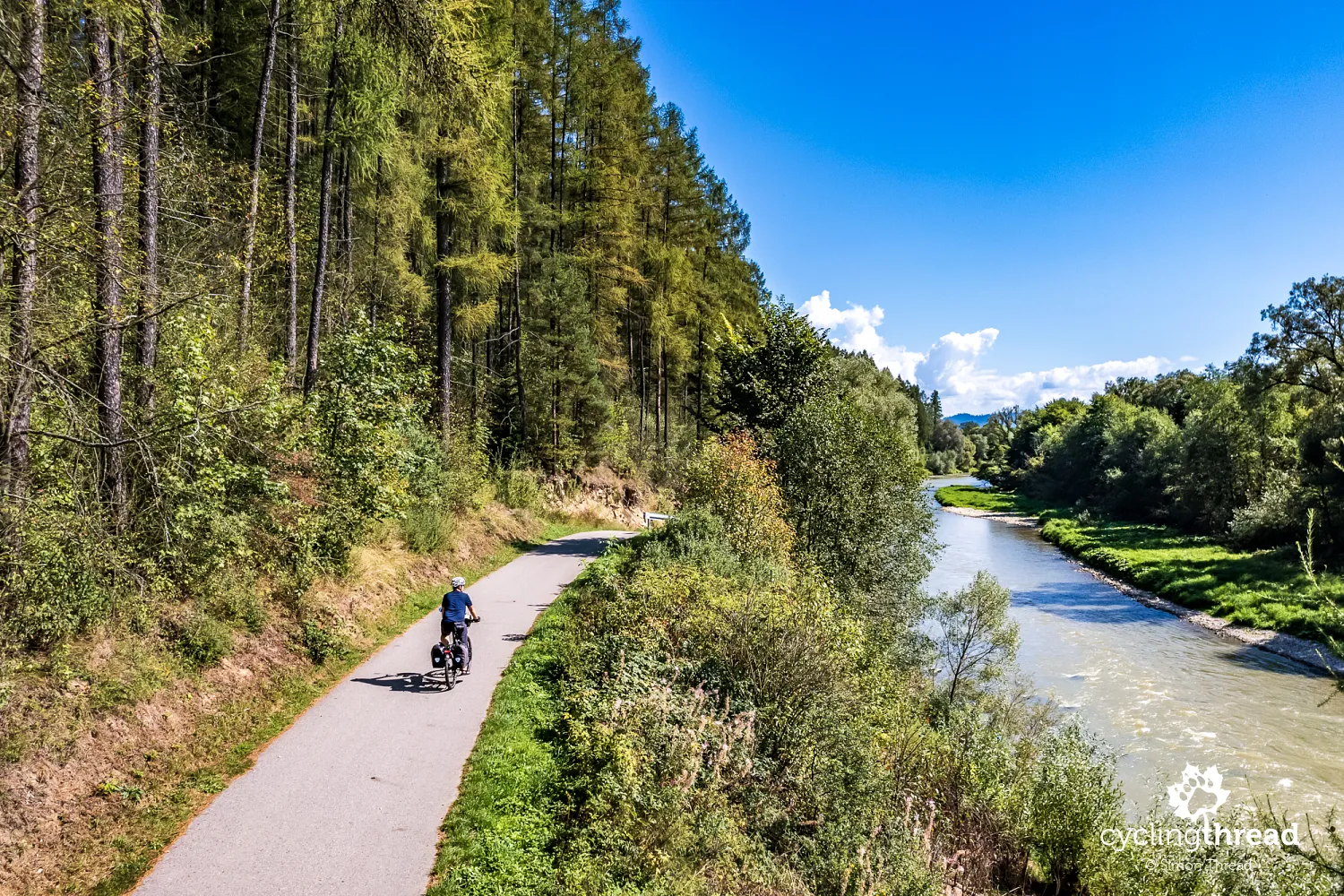
Velo Dunajec - Małopolska, Poland
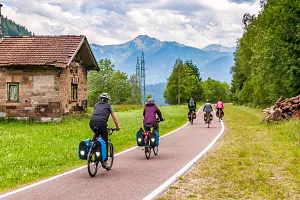
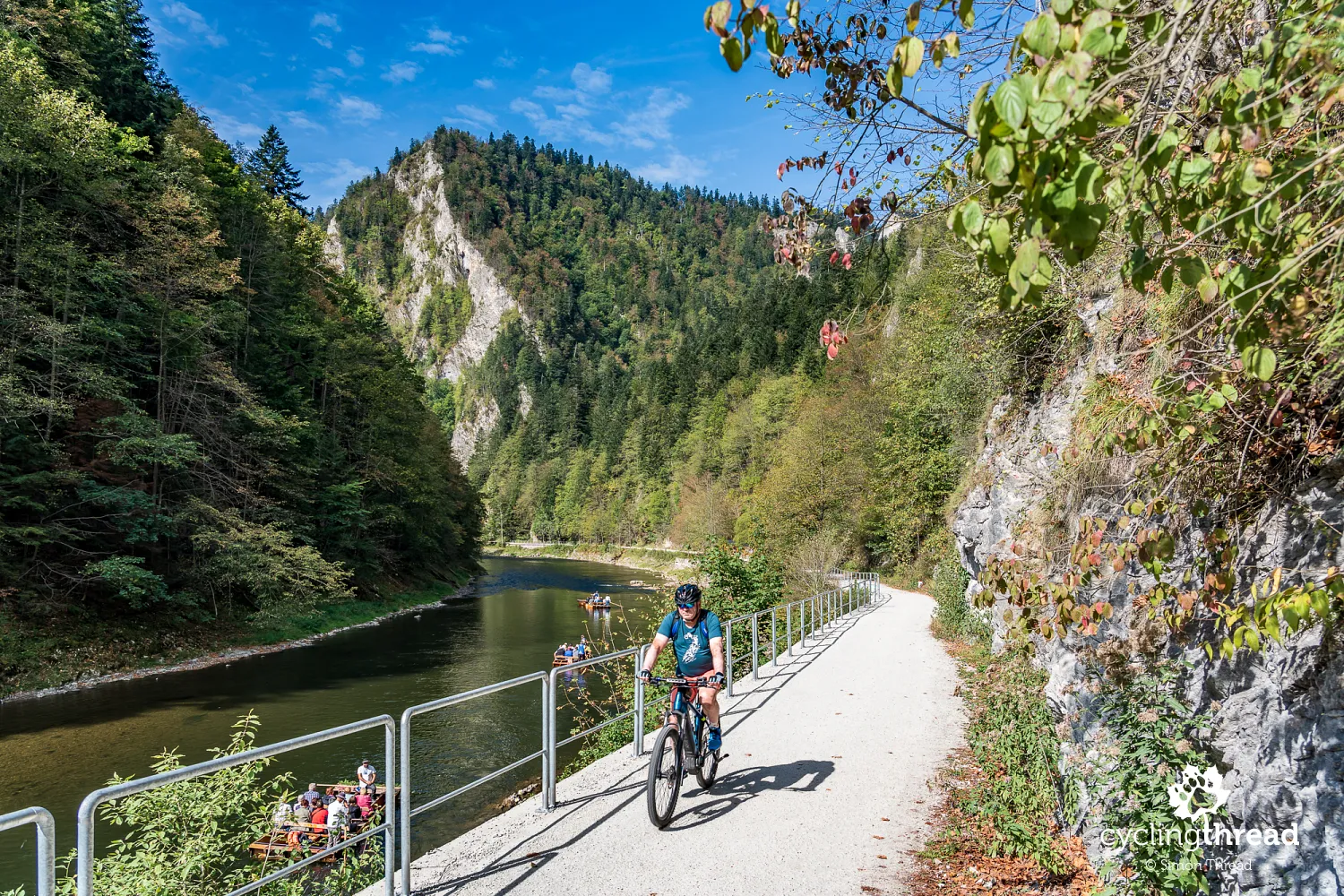
VeloDunajec runs through Małopolska - it starts in Zakopane, below the Tatra Mountains, and follows the Dunajec valley northwards, passing Czorsztyn Lake and the dramatic Pieniny Dunajec Gorge. The route includes modern cycle bridges over the Dunajec and Poprad rivers and leads through small towns before reaching Tarnów and the Vistula River. Despite its quality, VeloDunajec remains less cycled because Poland is still not widely seen as a cycling destination by international riders. Many cyclists are simply unaware of how complete, safe and well-designed cycling routes in Poland can be.
More: Poland - Velo Dunajec
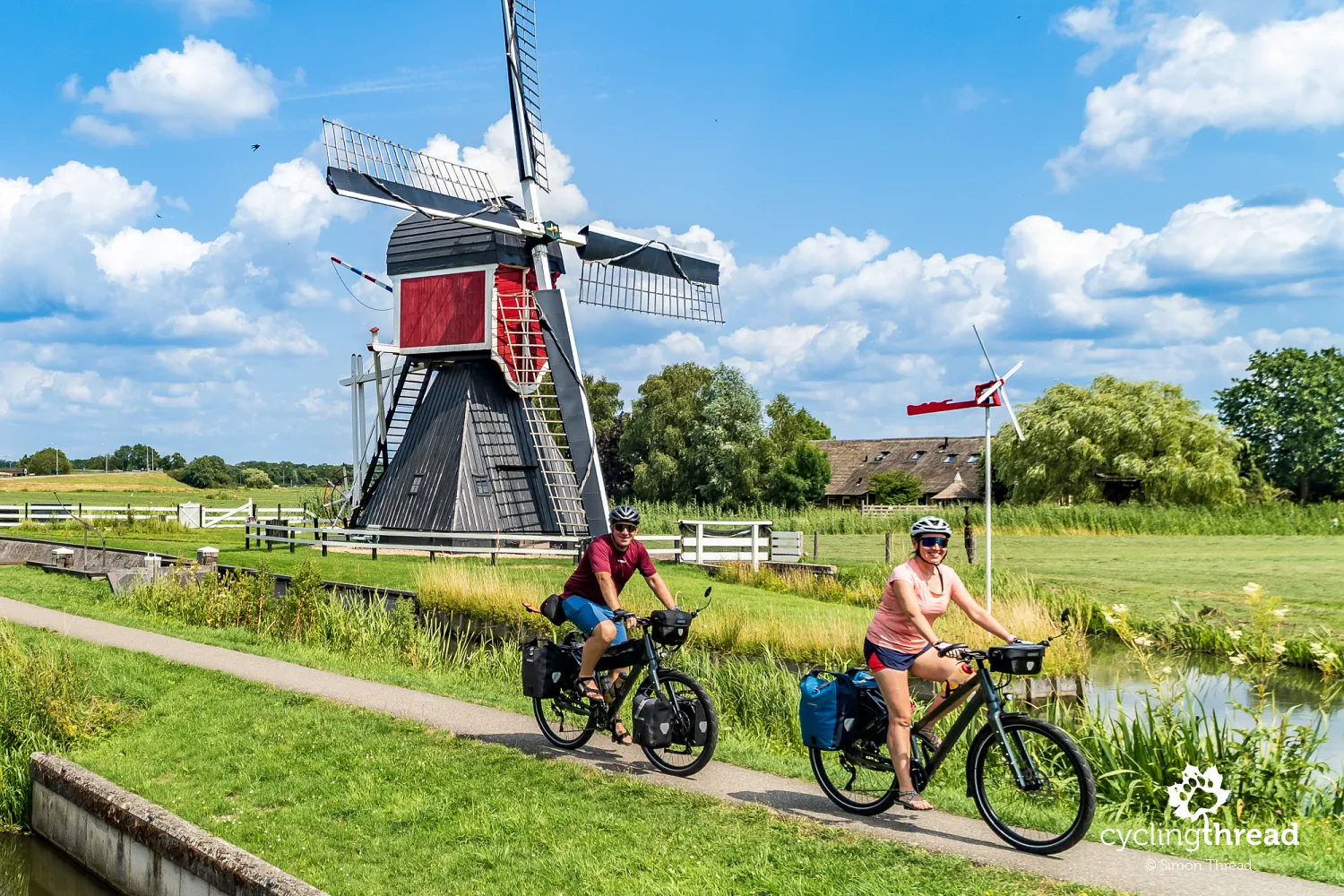
Waterline Route - the Netherlands
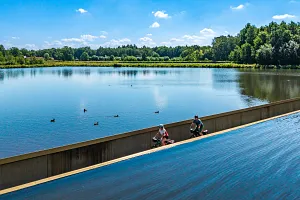
The Waterline Route runs through the Netherlands along the historic defensive line where water once played a key role in protecting the country. It leads from Amsterdam through Utrecht beyond Breda, linking large cities with open countryside. Along the way, cyclists ride beside canals, pastures and wooded areas, passing forts, bunkers and other remains of the Dutch Waterline. Outside the Netherlands, long-distance cycling here is often overlooked, as the country is mainly associated with everyday urban cycling rather than multi-day touring routes like this one.
More: the Netherlands - Waterline Route
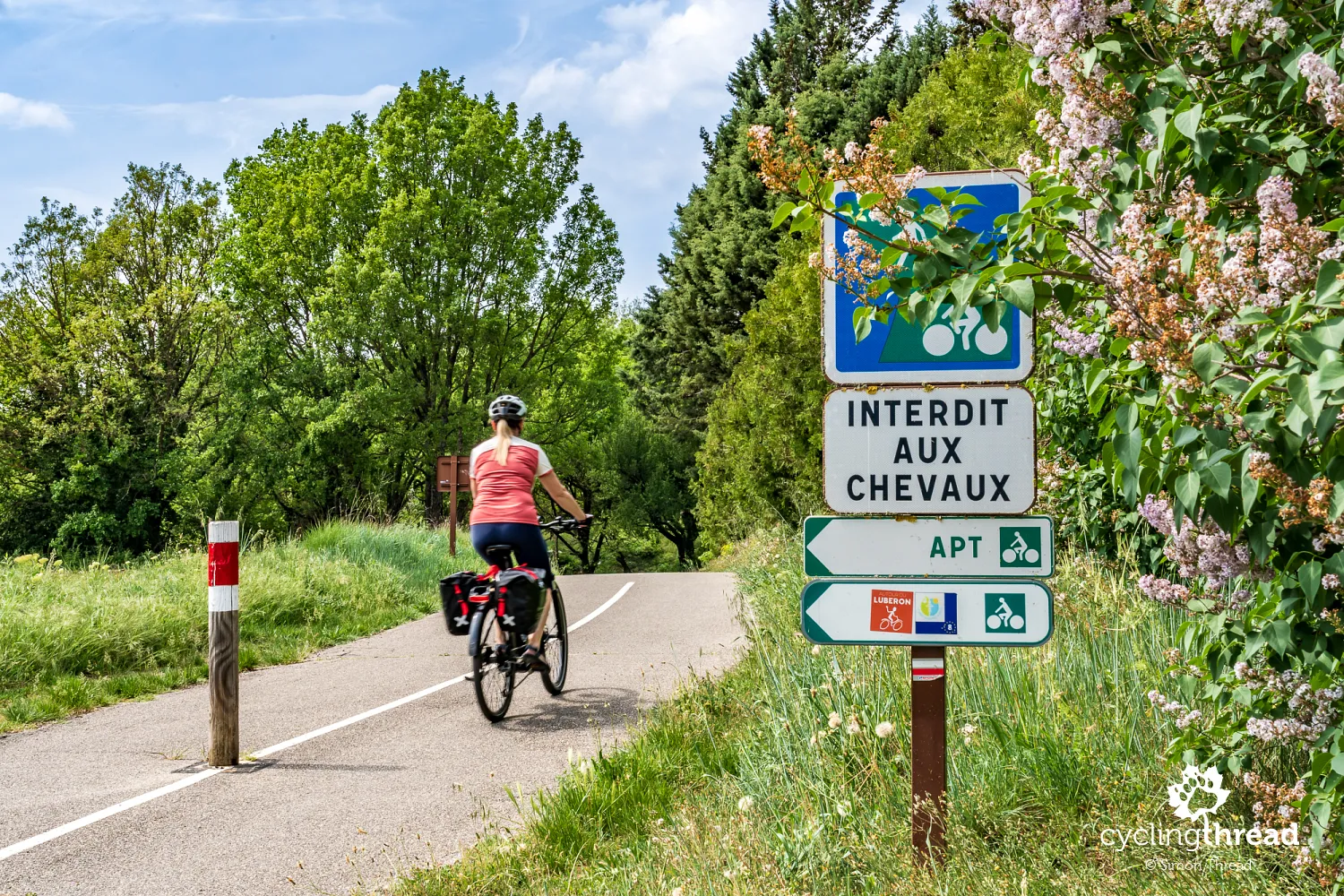
Around the Luberon Cycle Route - Provence, France
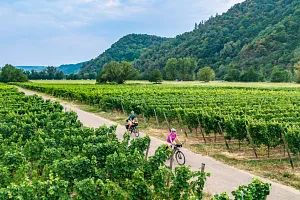
The Around the Luberon Cycle Route explores one of the most beautiful corners of Provence, circling the limestone Luberon massif through vineyards, Mediterranean forests and historic stone villages. Instead of dedicated cycle paths, much of the journey follows remarkably quiet local roads, connecting places such as Lourmarin, Cucuron, Forcalquier, Bonnieux, Ménerbes and Gordes. The terrain is often hilly, but the landscapes and extraordinary concentration of picturesque Provençal villages make the Luberon one of southern France's most rewarding regions for a multi-day cycling journey.
More: Provence - The Around the Luberon Cycle Route
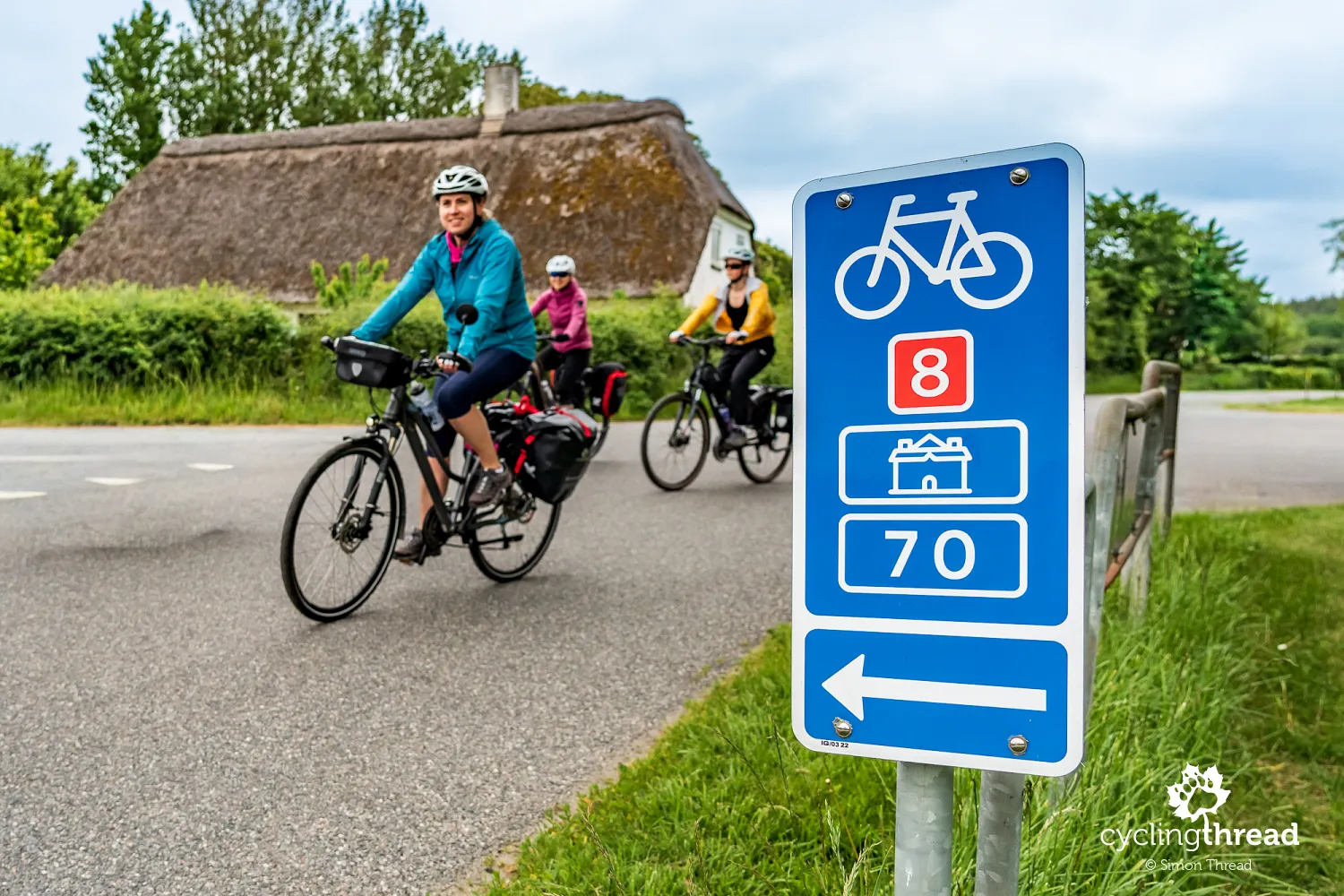
Castle Route - Funen, Denmark
The Castle Route on Funen offers a quieter side of cycling in Denmark, linking historic manor houses, castles and small towns across the country's famously green central island. The route leads through gently rolling farmland, forests and coastal landscapes, passing impressive estates such as Egeskov Castle and several lesser-known manor houses hidden in the countryside. Quiet roads and Denmark's cycling infrastructure make the journey relaxed and accessible, while towns such as Faaborg, Svendborg and Nyborg provide natural stops along the way. It is an excellent choice for cyclists looking for rural Denmark beyond Copenhagen and better-known cycling destinations.
More: Denmark - Castle Route
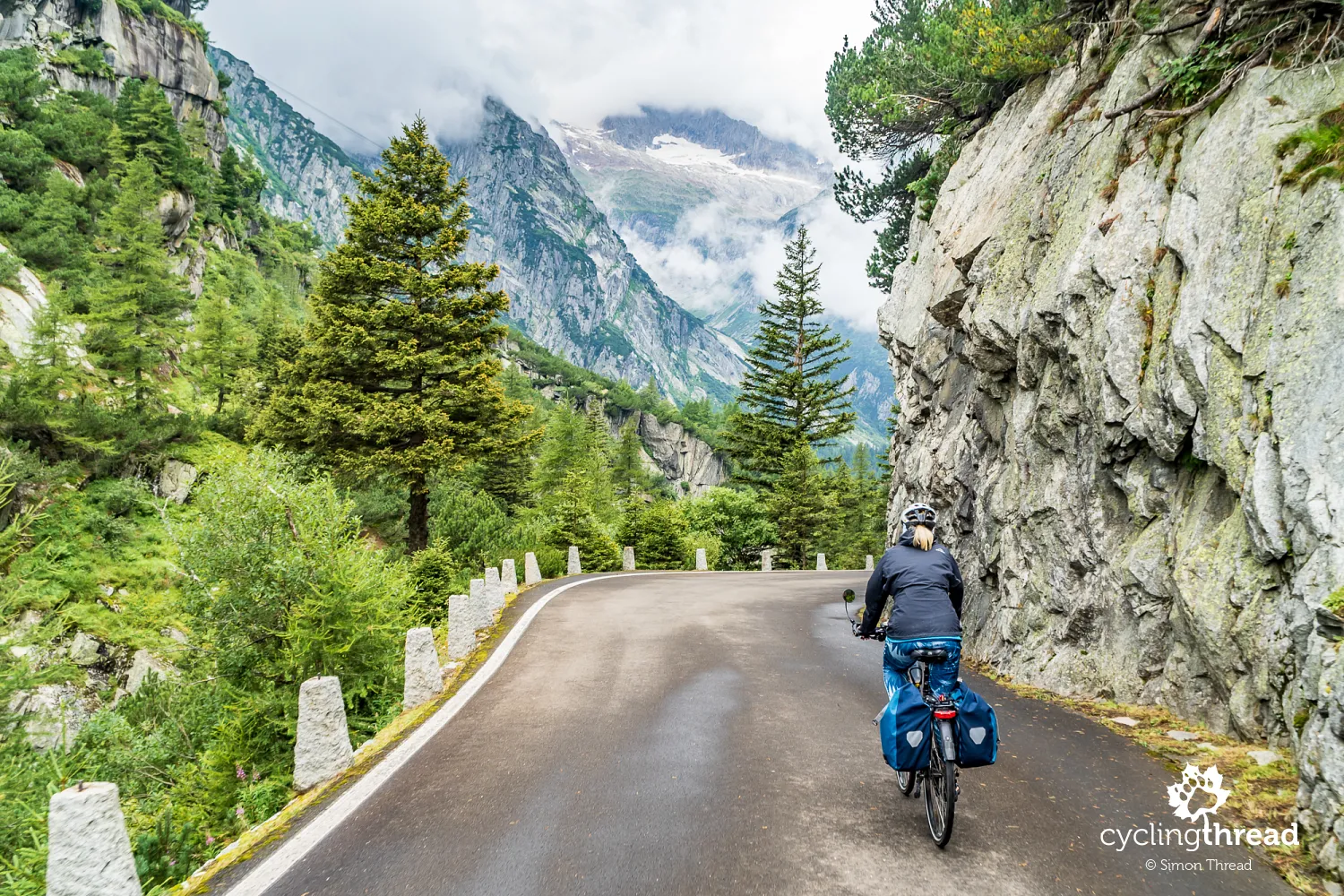
Aare Route - Switzerland
The Aare Route runs across Switzerland from the high Alps to the northern lowlands and shows a wide range of the country's landscapes. It starts near the Grimsel Pass and descends through alpine valleys to Meiringen, where the river cuts through the narrow Aare Gorge. After passing through the historic centre of Bern, it follows the Aare across the quiet farmland of the Swiss Mittelland. The route ends in Koblenz, where the Aare meets the Rhine. Despite its quality and variety, it remains less cycled, as most long-distance cyclists choose better-known Swiss routes such as the Rhine, Rhone or North-South routes.
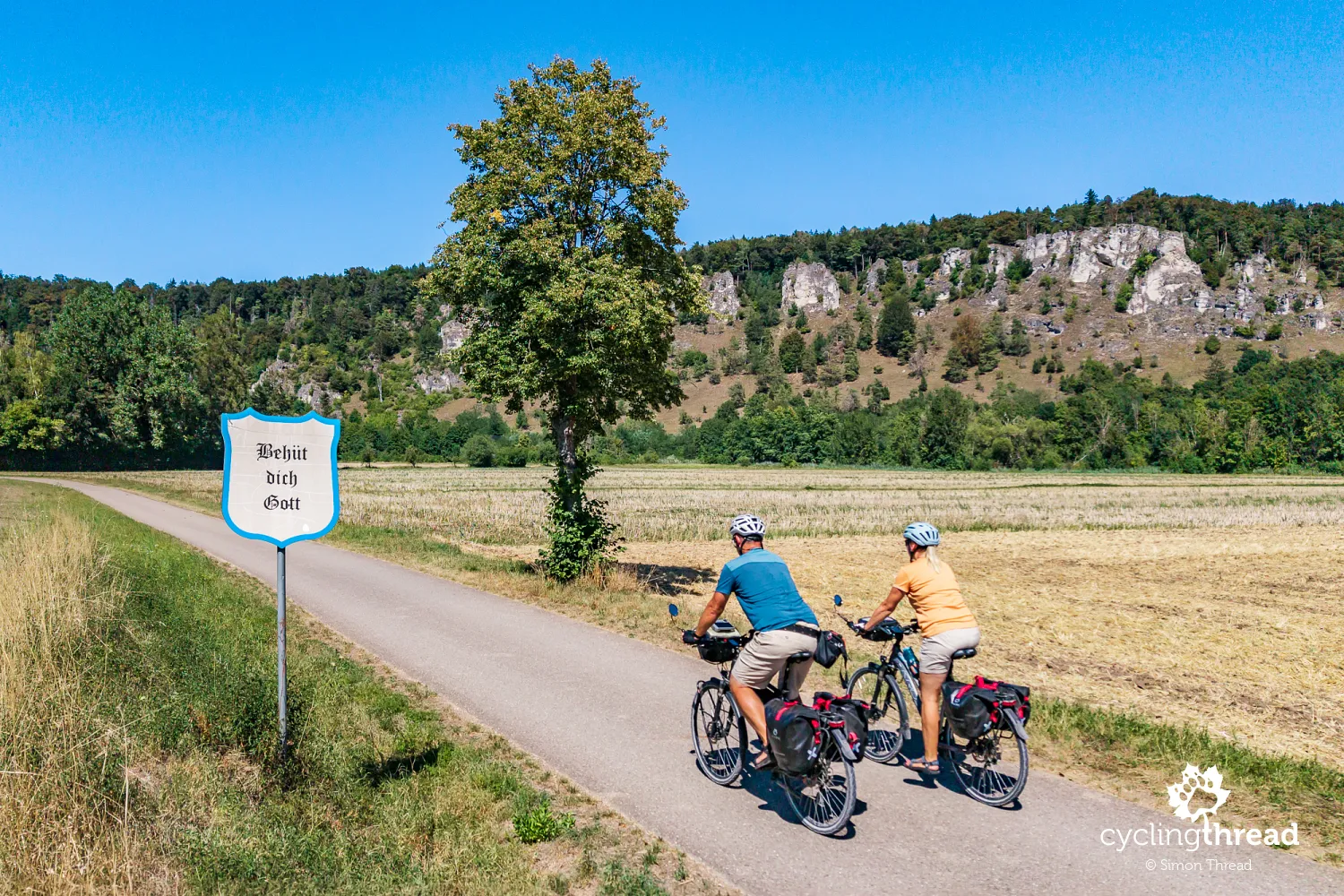
GeoRoute Altmühl Valley - Franconia, Germany
The GeoRadweg Altmühltal is a relatively new long-distance cycle route across Bavaria, connecting Nördlingen with Kelheim and turning the geological history of the region into the main theme of the journey. Starting inside the Ries meteorite crater, the route crosses quiet countryside and the Jurassic landscapes of the Altmühl Valley before reaching the Danube Gorge near Kelheim. Along the way, it passes limestone formations, former quarries, fossil sites and historic towns such as Pappenheim and Eichstätt. The route is well suited to a multi-day cycling trip and combines peaceful rural sections with some of the best-known scenery of the Altmühl Valley.
More: Franconia - GeoRoute Altmühl Valley (coming soon) 👇
Follow us on Facebook and Instagram to be notified!
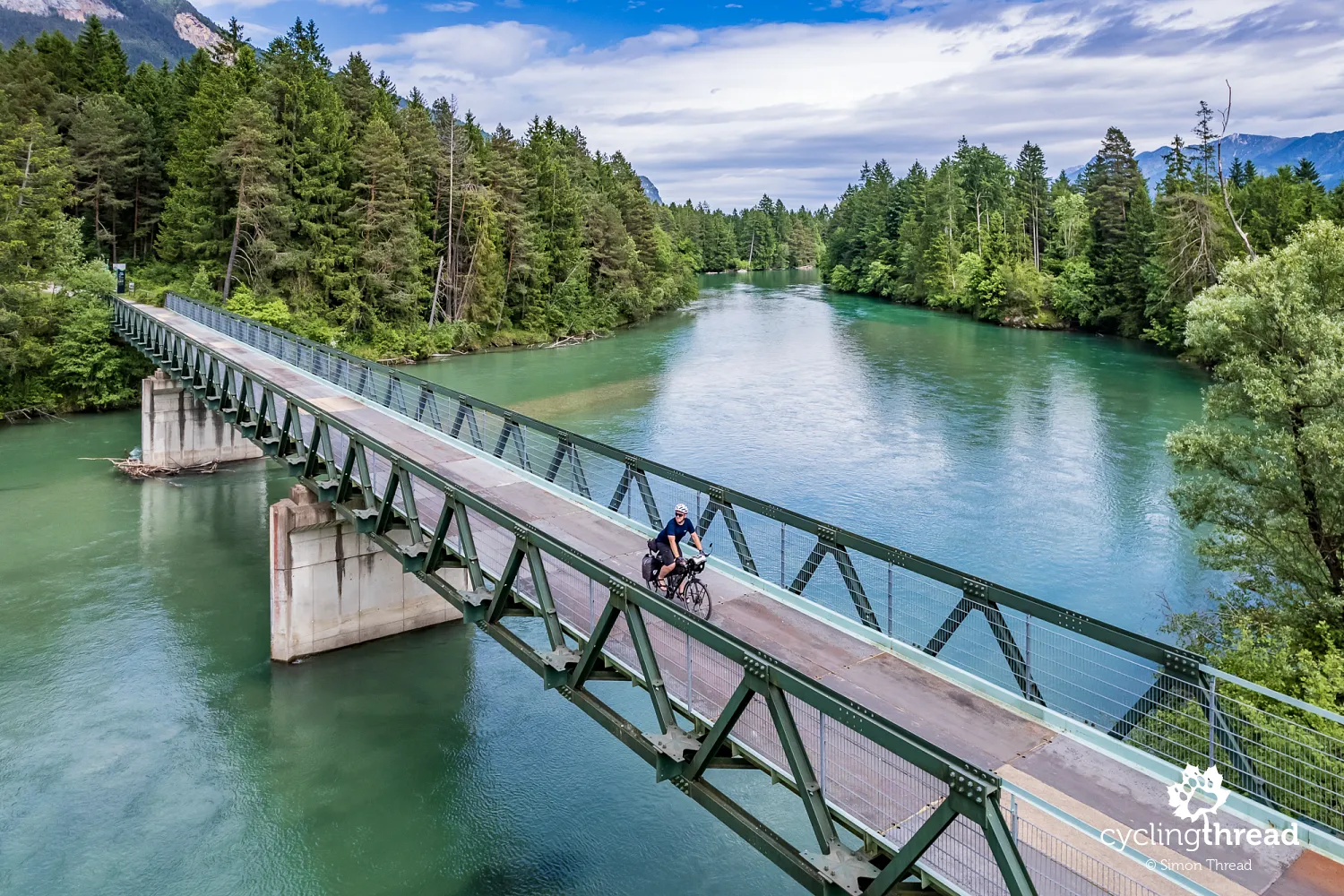
Carinthian Lake Loop - Carinthia, Austria
The Carinthian Lake Loop is a well-developed cycling route connecting many of Carinthia's most scenic lakes, including Wörthersee, Millstätter See and Ossiacher See. Compared to the Drava Cycle Route or the Alpe-Adria Cycle Route, it remains less cycled, because it is a relatively new concept and runs through parts of Carinthia that are less known to international cycling tourists. The roughly 400-kilometre circuit is largely separated from car traffic, providing safe and comfortable riding. With well-marked paths and elevations mostly between 400 and 800 metres, it is suitable for cyclists with moderate fitness levels.
More: Austria - Carinthian Lake Loop
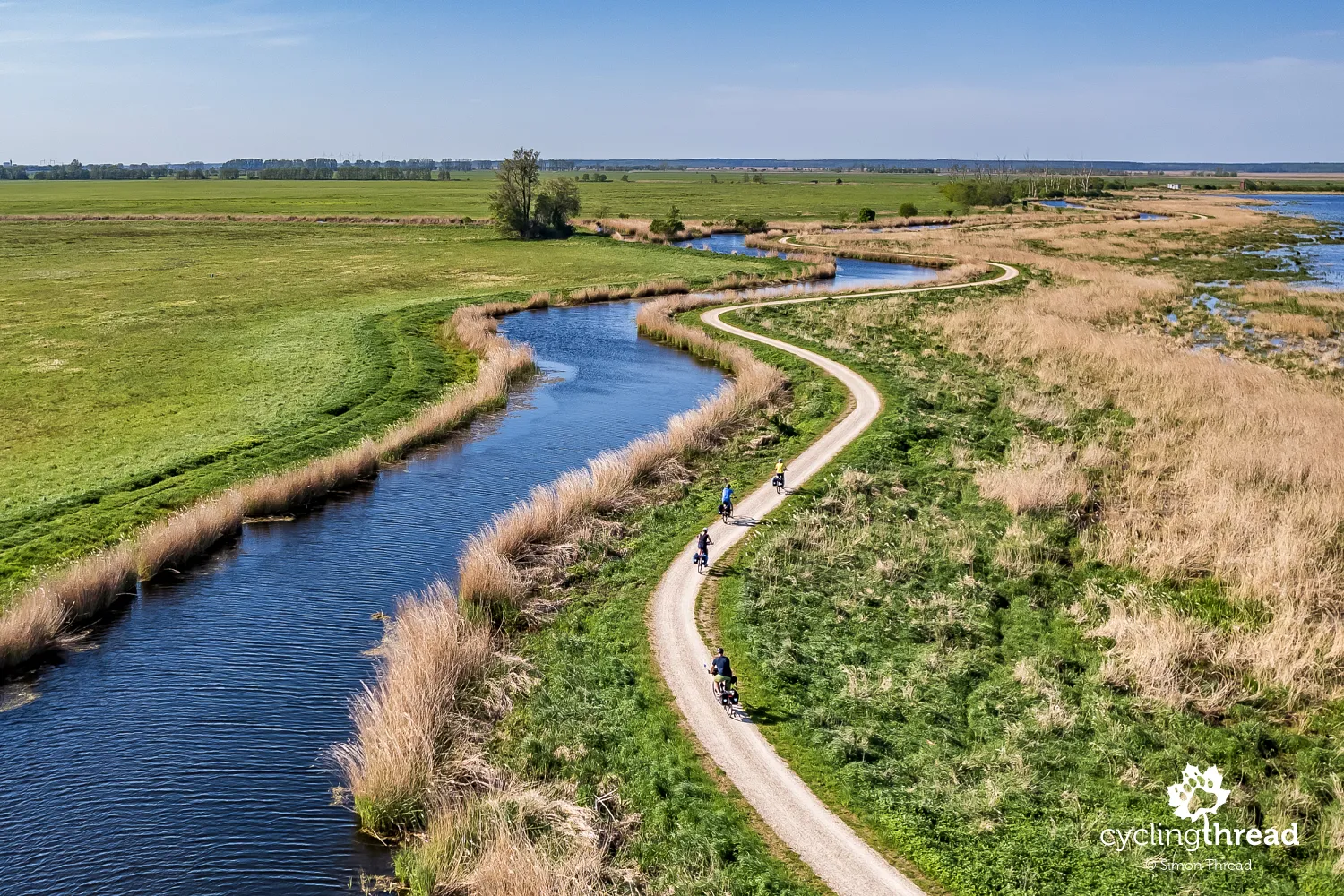
Szczecin Lagoon Cycle Route - Poland, Germany
The cycling loop around the Szczecin Lagoon and Lake Dąbie is a long-distance route that remains less cycled mainly because it lies on the outer edge of Germany and runs through parts of Poland that are still underestimated by international cyclists. Much of the route follows quiet, natural landscapes, with long sections on gravel paths through wetlands, forests and open water scenery. The infrastructure is solid and practical on both sides of the border, making multi-day trips easy to plan. Good train access makes shorter stages and weekend rides possible throughout much of the year.
More: Poland & Germany - Szczecin Lagoon Cycle Route
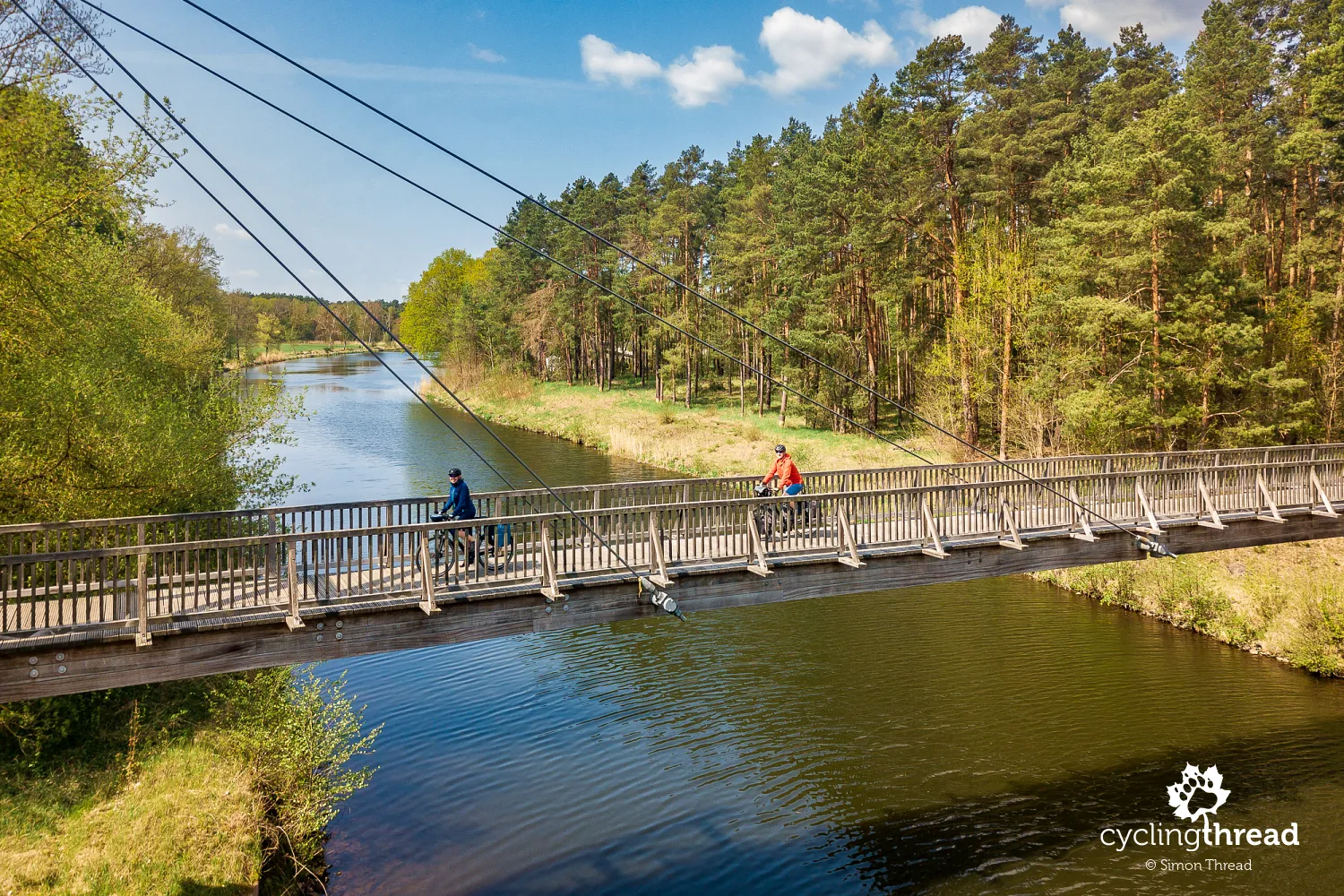
Oder-Spree-Tour - Brandenburg, Germany
The Oder-Spree-Tour is a loop route that remains less known mainly because it runs through eastern Brandenburg, a part of the region visited far less often than areas closer to Berlin or the Elbe. It starts in Frankfurt (Oder) and leads through the Oder-Spree Lakeland, an area shaped by forests, natural river valleys and long chains of lakes. Much of the route follows quiet paths along the Oder-Spree Canal and the historic Frederick William Canal. The landscape is dominated by water, pine forests and open natural areas, with very little urban pressure.
More: Brandenburg - Oder-Spree-Tour
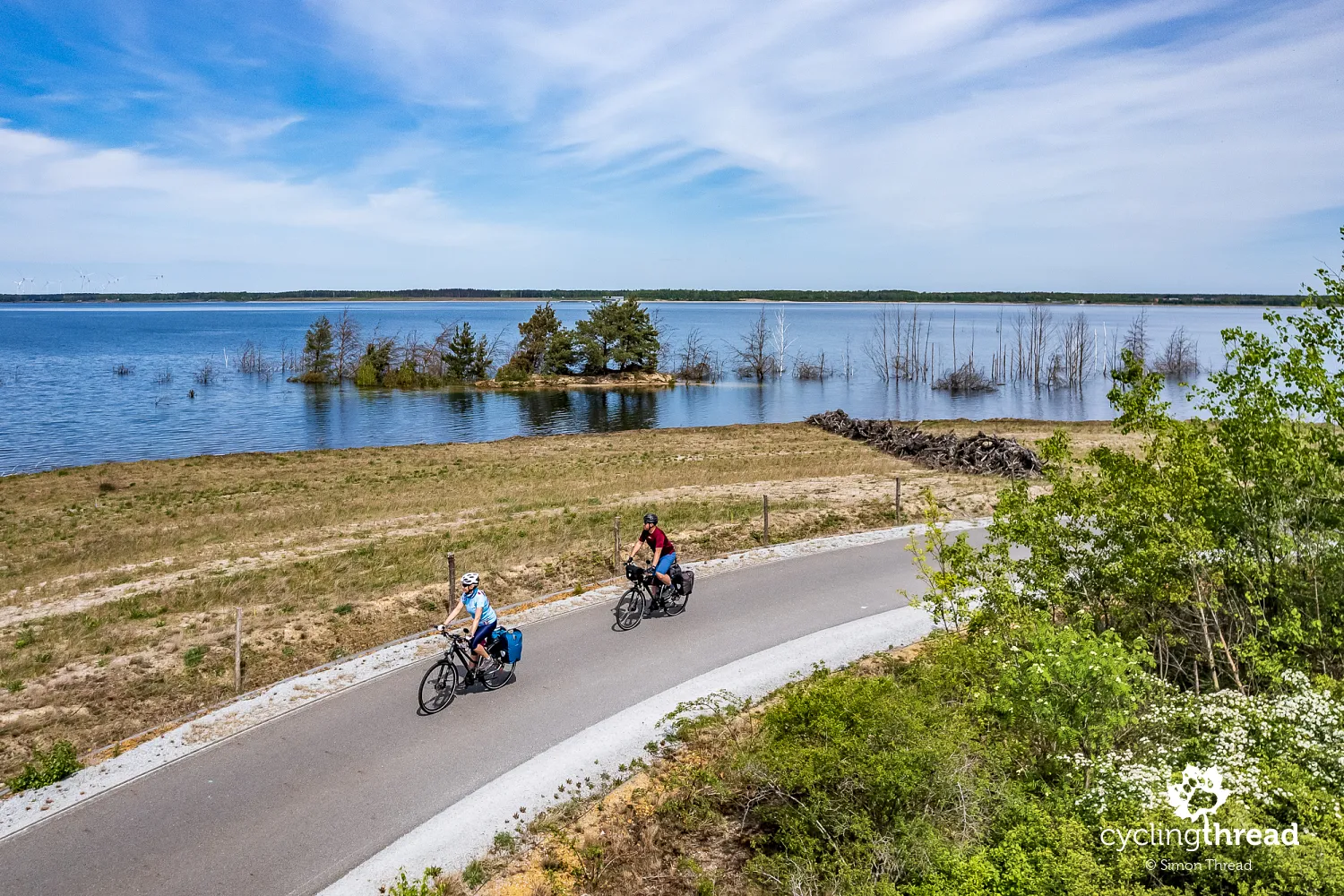
Lower Lusatia Mining Route - Brandenburg, Germany
The Niederlausitzer Bergbautour runs through the southern part of Brandenburg and follows a landscape shaped by decades of brown coal mining. The route passes former and active open-cast mines, new lakes created after land restoration, and small towns with a strong industrial history. The route is still less cycled mainly because many cyclists find it hard to imagine a post-mining landscape as an attractive cycling destination. In reality, the mix of open space, water, history and quiet paths creates a riding experience very different from classic river or alpine routes.
More: Germany - Lower Lusatia Mining Route
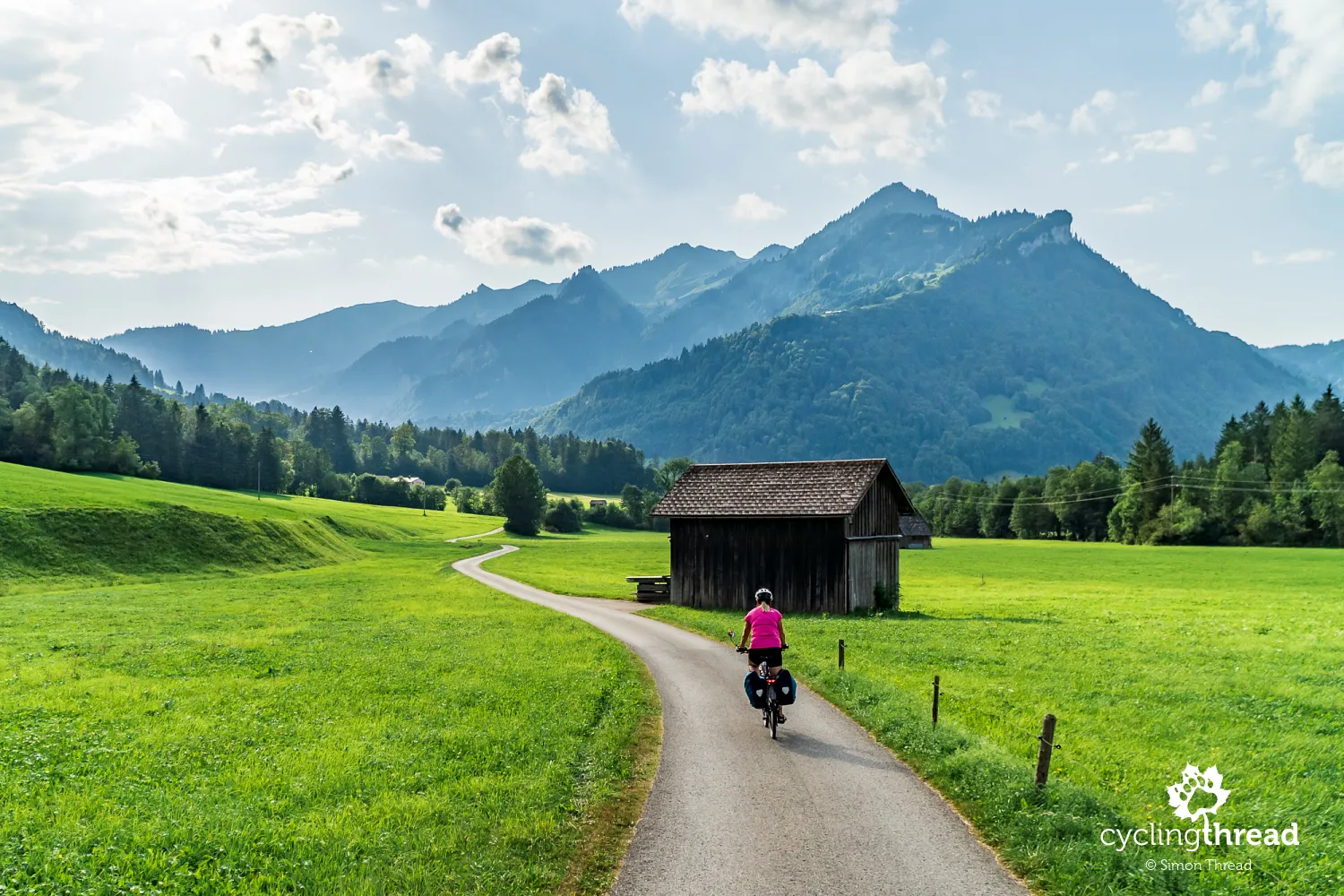
Cycling Vorarlberg - Austria
Cycling in Vorarlberg often begins high in the Alps, near the Bielerhöhe Pass on the edge of the Silvretta range. The route descends through the Montafon valley toward Bludenz, following alpine rivers and broad valley floors. Further north, it climbs again toward Lech am Arlberg, one of the region’s best-known mountain villages. The landscape then softens in the Bregenz Forest, with rolling hills, meadows and scattered farms. Despite this variety, Vorarlberg remains less cycled, as the region sits quietly between Switzerland and Tyrol and is often passed by on the way to more famous Alpine destinations.
More: Austria - cycling Vorarlberg
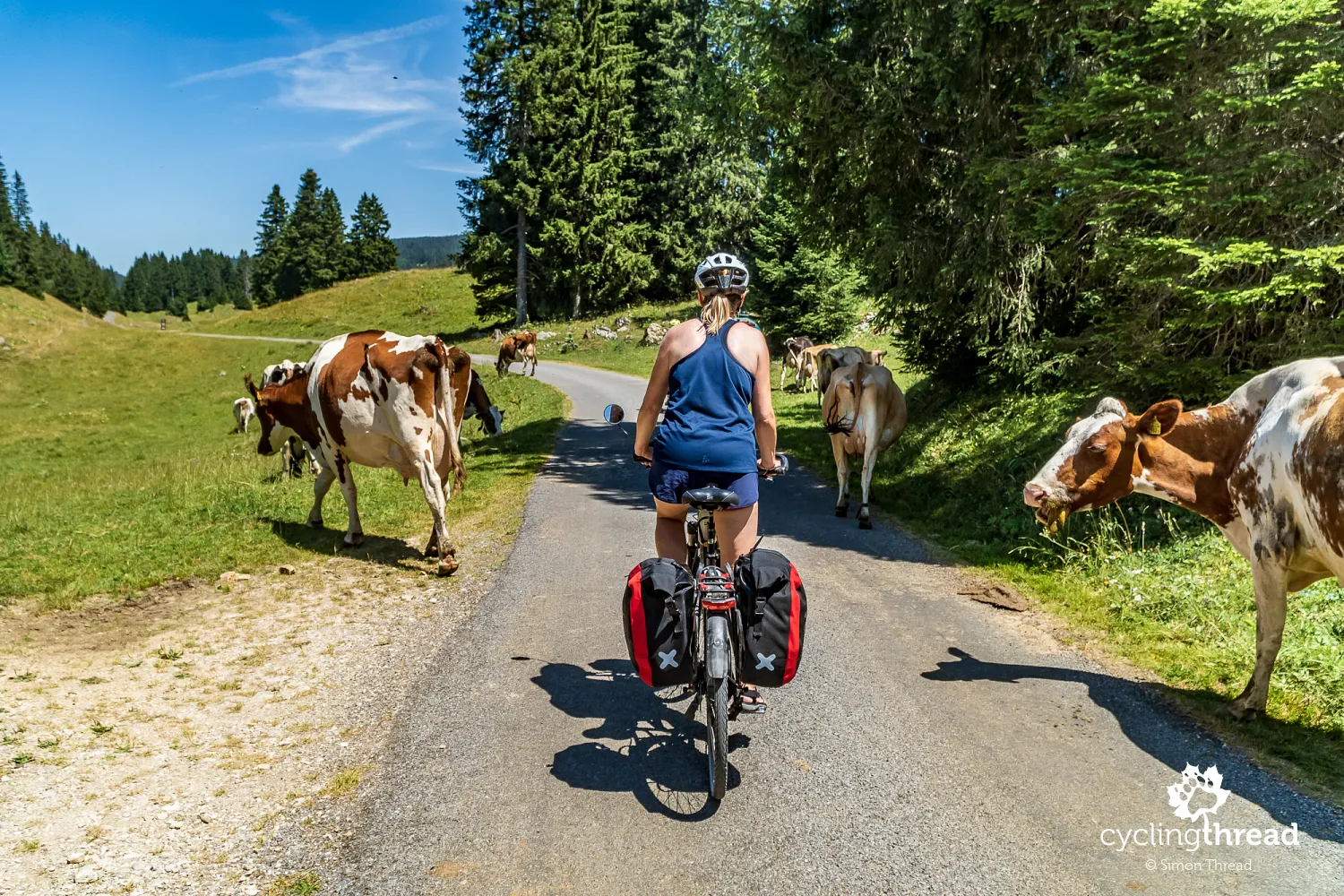
Jura Cycle Route - Switzerland
The Jura Cycle Route runs for about 280 kilometres across western Switzerland, from Nyon on Lake Geneva to Basel. It remains less cycled because the Jura is often seen as less attractive than the Alps, while in reality its wide open spaces, low traffic and strong sense of isolation are its greatest strengths. It leads through high plateaus, dense conifer forests and gently rolling hills, with long stretches far from major towns and roads. Along the way, the route passes the open landscapes of the Franches-Montagnes, the medieval town of St. Ursanne in the Doubs valley, and the quiet Val-de-Travers.
More: Switzerland - Jura Route
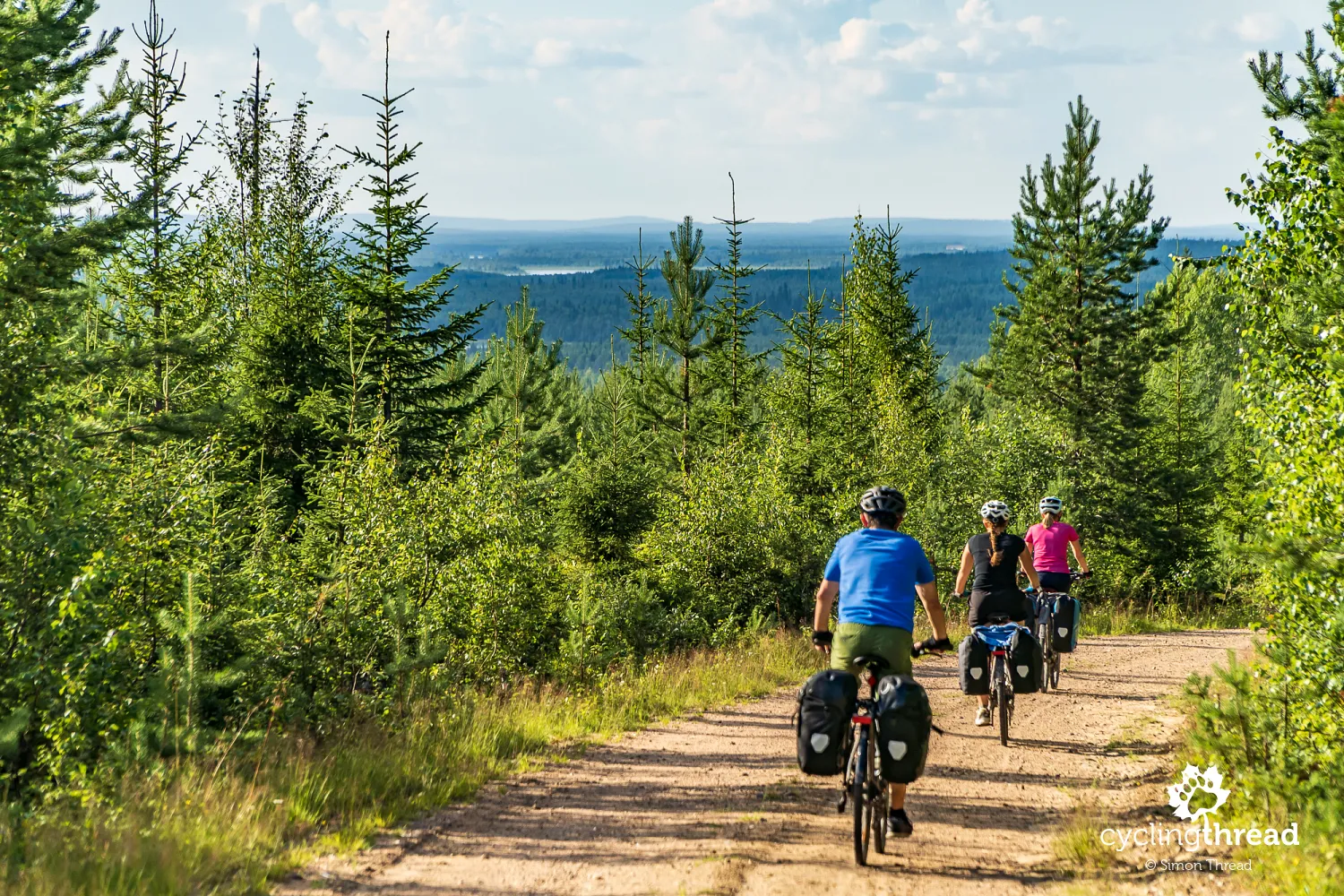
Central Lapland Gravel Loop - Lapland, Finland
The Central Lapland Gravel Loop runs through the interior of Lapland and leads deep into one of the most remote parts of the country. For many cyclists, the scale and remoteness of this region feel demanding rather than convenient. Those who do choose this loop experience silence, wildlife, reindeer on the road and a rare sense of distance from everyday life. The route follows long stretches of quiet gravel roads through forests, open tundra and low rolling hills, with rivers and lakes appearing regularly along the way. Distances are long, services are limited and the riding season is short, which naturally keeps visitor numbers low.
More: Lapland - Central Lapland Gravel Loop (coming soon) 👇
Follow us on Facebook and Instagram to be notified!
Back to topHave a safe ride! 💚
Simon Thread
(Szymon Nitka)
I'm a passionate cycling traveler and the voice behind Cycling Thread. I explore Europe on two wheels, documenting the most scenic routes, inspiring places and cyclist-friendly practices. My writing blends personal experience with practical insights and a deep love of travel. I'm also a contributor to National Geographic Traveler magazine.