EuroVelo 1 - the Atlantic Coast Route and 7 other EuroVelo routes
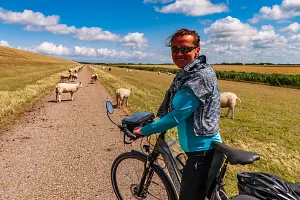
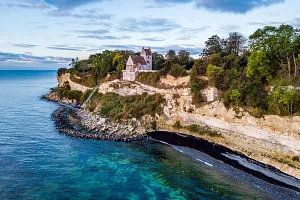
EuroVelo 1, known as the Atlantic Coast Route, is one of the longest routes in the European cycle network, running along the western edge of the continent. The route stretches from the North Cape in Norway to Sagres in southern Portugal, following the Atlantic coastline across Scandinavia, the British Isles, Western Europe and the Iberian Peninsula. Its overall character is defined by long distances, open horizons and constant proximity to the ocean. Rather than focusing on mountain crossings or inland river valleys, EuroVelo 1 offers a sense of scale and continuity shaped by wind, tides and changing coastal landscapes.
Join us on our new 🟢 Komoot account!
Cycling Partners



Route on the map
GPX file (GPS track): cyclingthread.com-eurovelo-1.gpx
The EuroVelo route along the Atlantic Coast
Along the way, the route passes through a wide range of regions and cultures, from the fjords of Norway and the rugged coasts of Scotland and Ireland to the sandy beaches of France and the dramatic cliffs of Spain and Portugal. Highlights include coastal sections in Brittany, the Basque Country and Galicia, as well as historic port cities such as La Rochelle, Bordeaux, Bilbao and Porto. Natural attractions play an equally important role, with dunes, estuaries, islands and protected coastal areas appearing throughout the route. This mix of nature, maritime heritage and regional diversity makes EuroVelo 1 one of the most varied long-distance cycling routes in Europe.
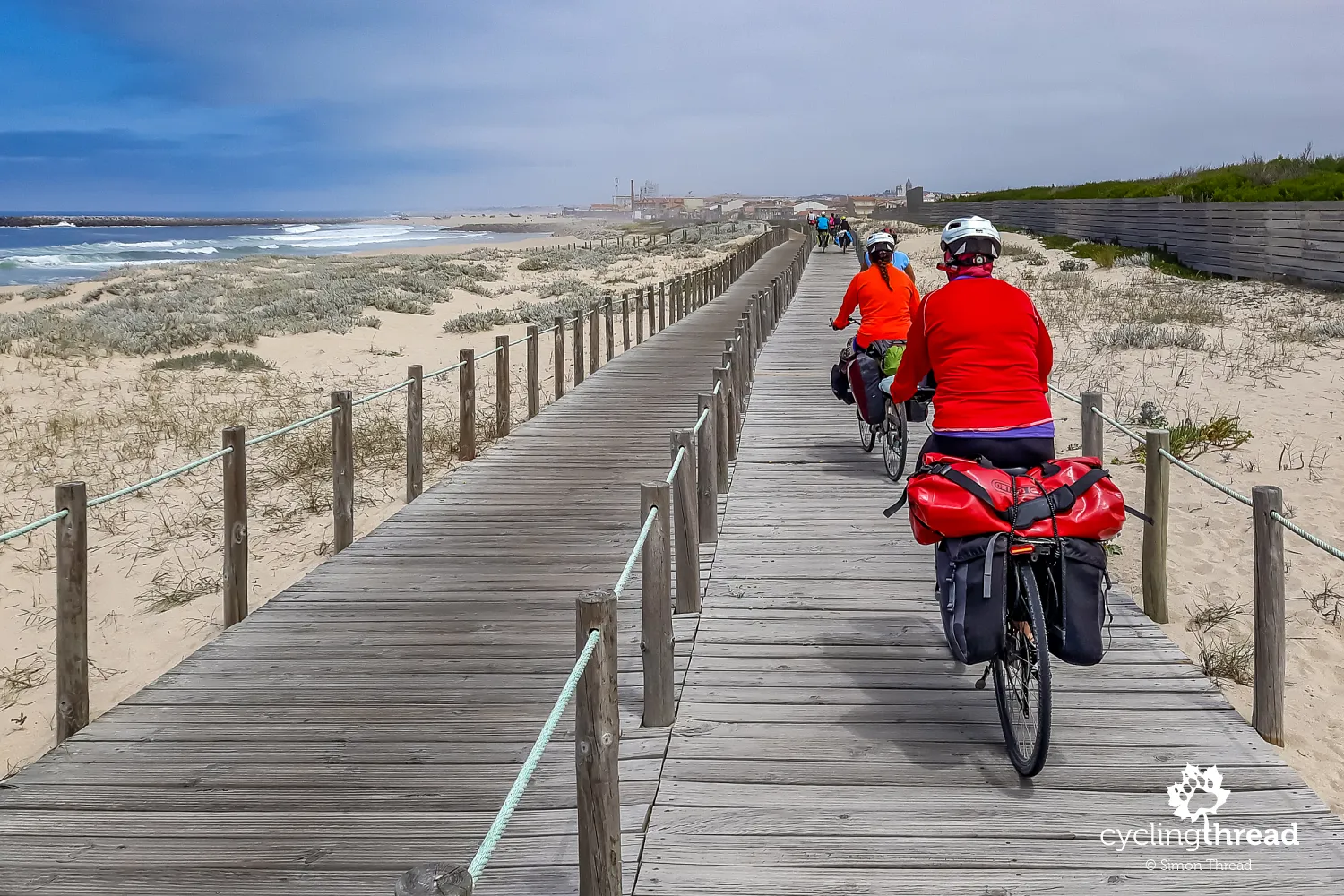
At the same time, the sheer length and logistical complexity of EuroVelo 1 mean that it is not always the most practical choice for every cyclist. Many riders experience the route in selected sections rather than as a single end-to-end journey. For those looking for alternatives with a similar level of quality, diversity or thematic clarity, the EuroVelo network offers several other routes that can be just as rewarding. Below, we present seven other EuroVelo routes that, depending on expectations and travel style, may prove equally interesting, more accessible or even better suited to a first long-distance cycling adventure.
Don't forget to follow us on Facebook and Instagram!
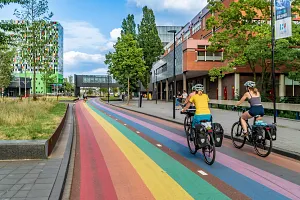
EuroVelo 5 - Switzerland
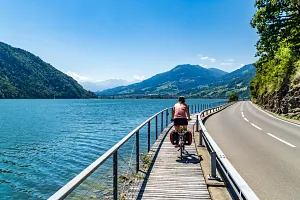
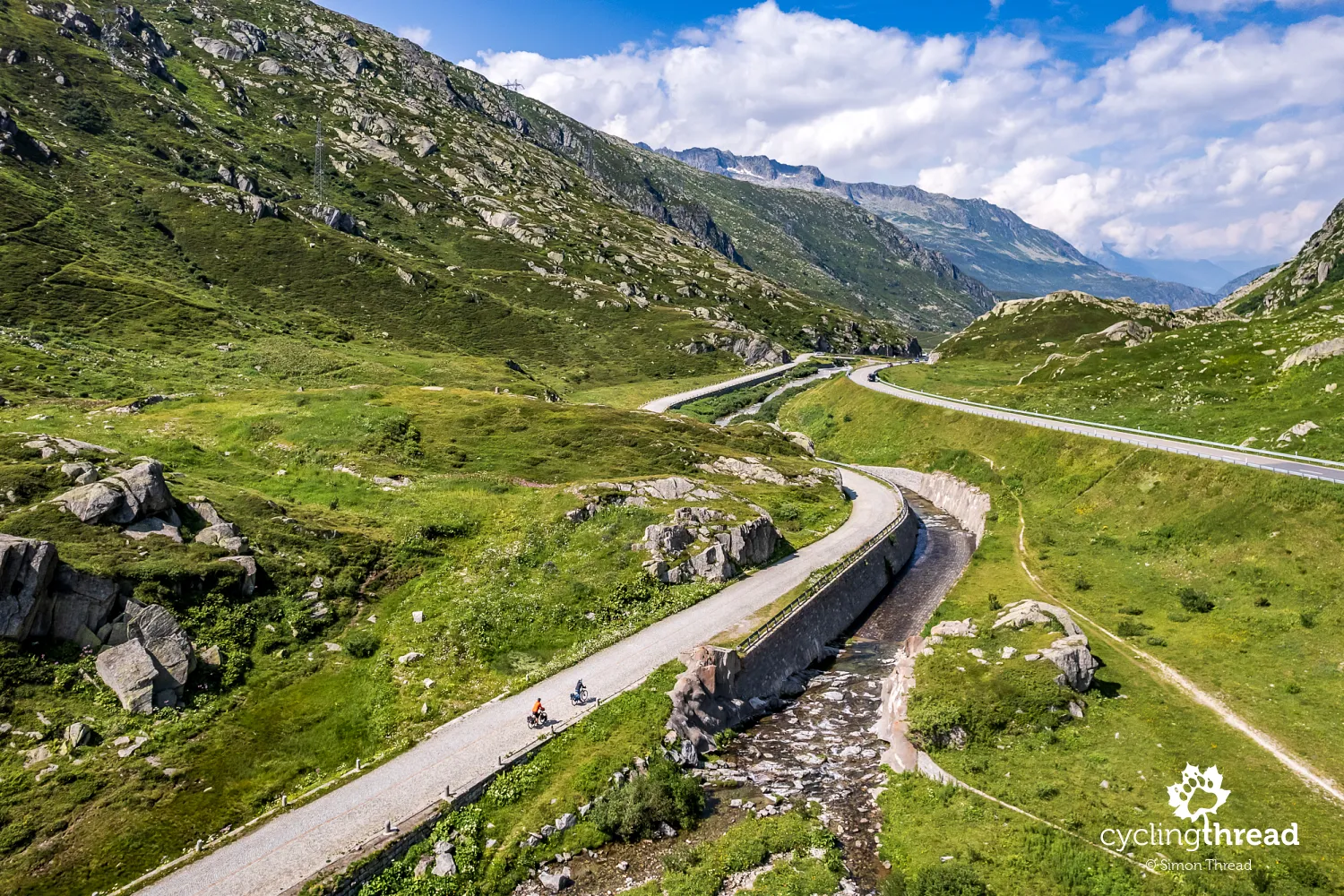
Switzerland’s North-South Route is one of the country’s most iconic long-distance cycling routes and forms part of EuroVelo 5, also known as the Via Romea (Francigena). Marked nationally as Route 3, it runs from Basel to Chiasso, crossing the Alps via the historic Gotthard Pass and covering more than 360 kilometres. While EuroVelo 1 builds its character around long coastal horizons and maritime landscapes, this route is defined by a true transalpine crossing and some strong elevation changes.
More: EuroVelo 5 - Switzerland
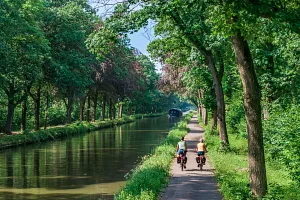
EuroVelo 6 - France
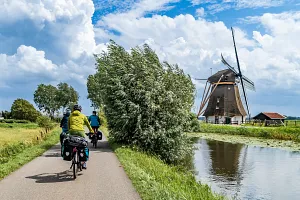
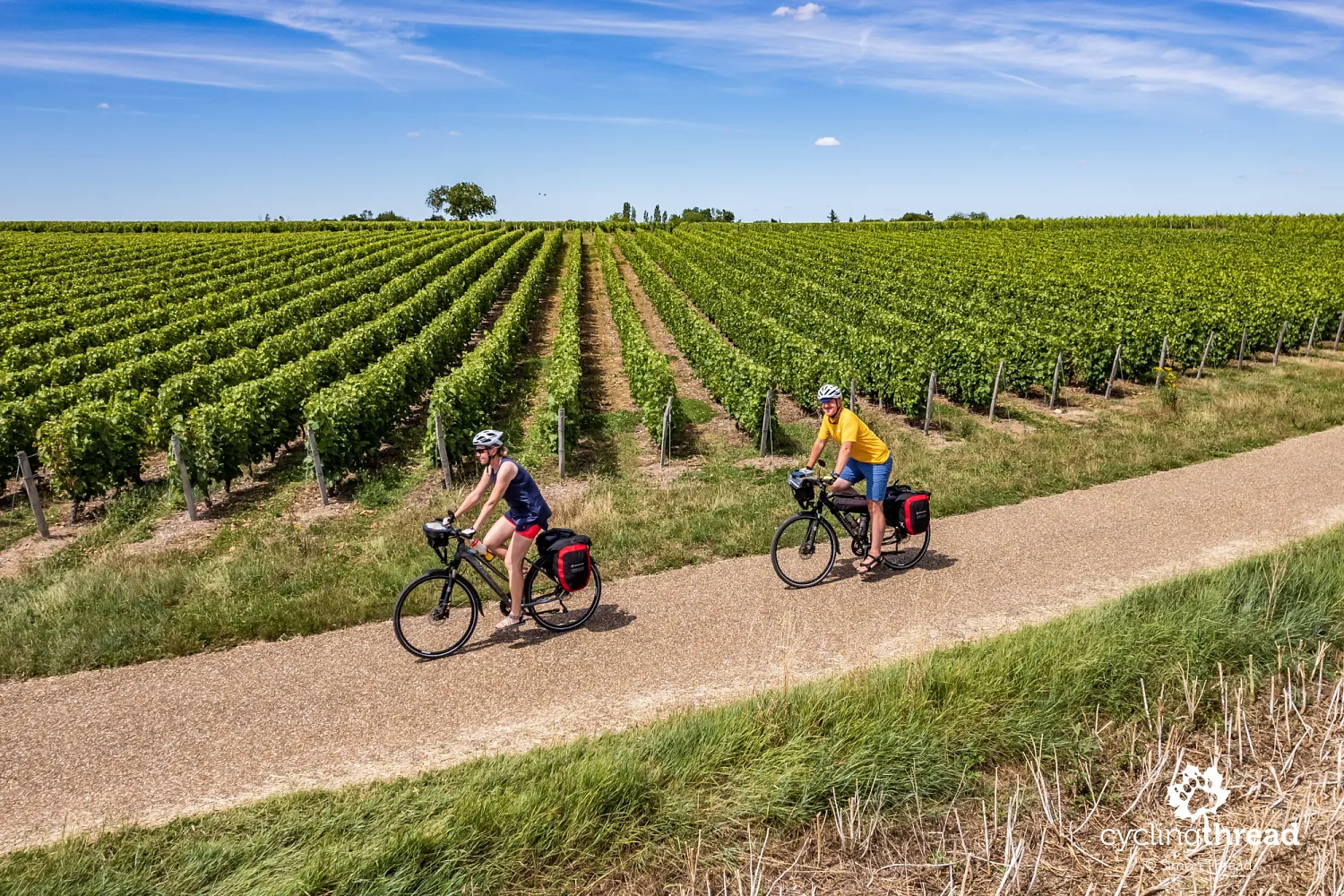
In France, part of the central Loire Valley was explored by cycling a section of EuroVelo 6, the Atlantic-Black Sea route. This is the most culturally rich stretch of the Loire, running from Sully-sur-Loire near Orléans to Chalonnes-sur-Loire near Angers, and best experienced via the Loire à Vélo network. Passing through Orléans, Chambord, Blois, Amboise, Tours, Chinon and Saumur, the route shows how a single river valley can concentrate cultural highlights in a way very different from the large-scale, coastal character of EuroVelo 1.
More: EuroVelo 6 - France
EuroVelo 7 - Austria
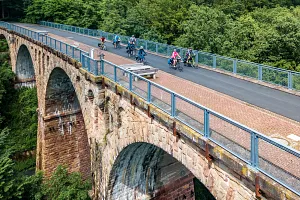
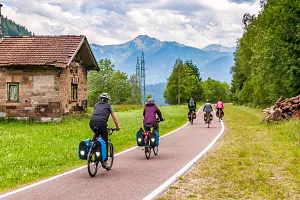
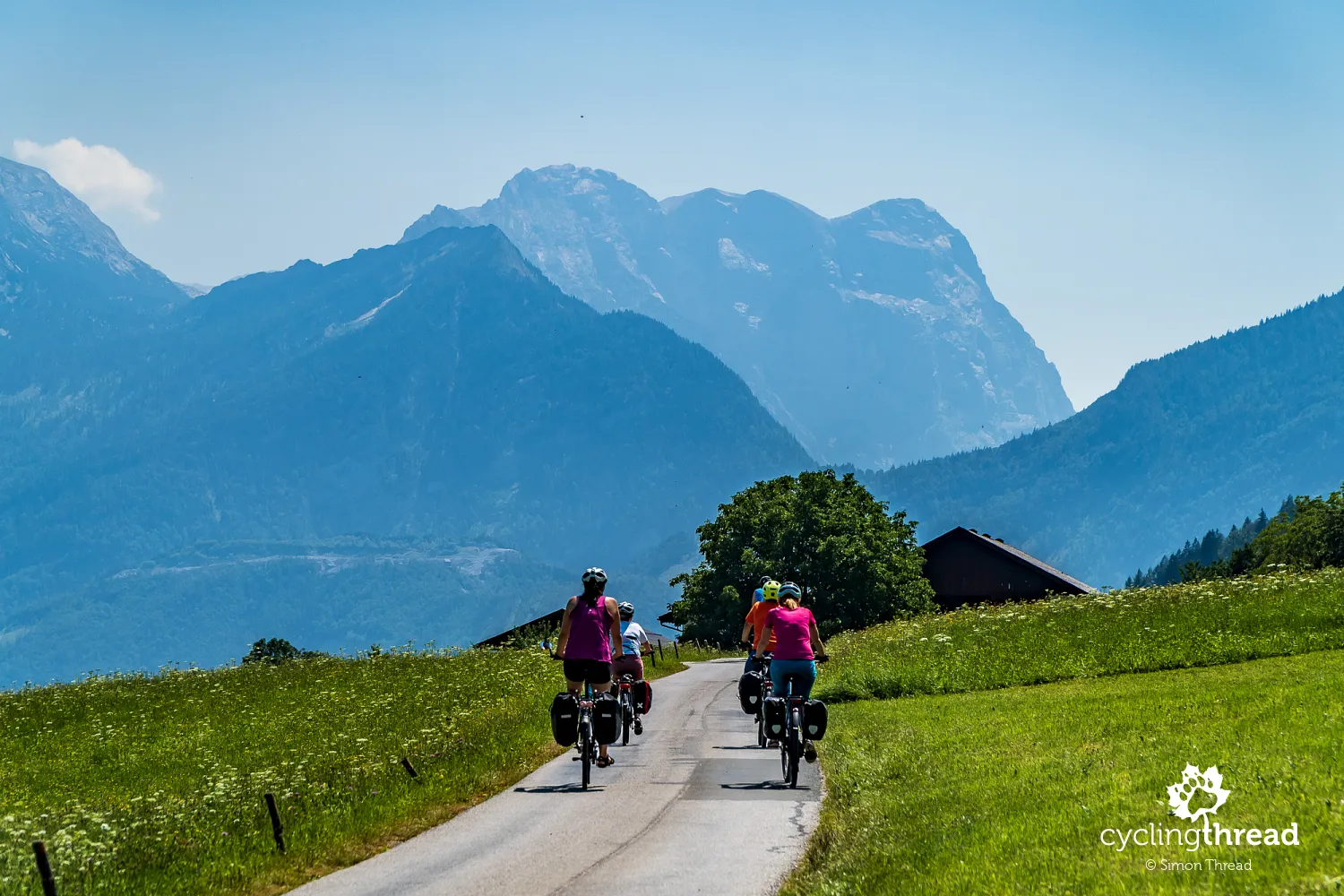
The Alpe-Adria Cycle Route is widely regarded as one of Europe’s most popular long-distance cycling routes. A defining feature of the route is a roughly 60-kilometre section built on a former railway line, where cyclists pass through tunnels, over historic bridges and alongside old station buildings. In contrast to the coastal scale and open horizons of EuroVelo 1, the Alpe-Adria concentrates its appeal into a compact alpine-to-Mediterranean transition, offering a very different but equally memorable cycling experience.
More: EuroVelo 7 - Austria
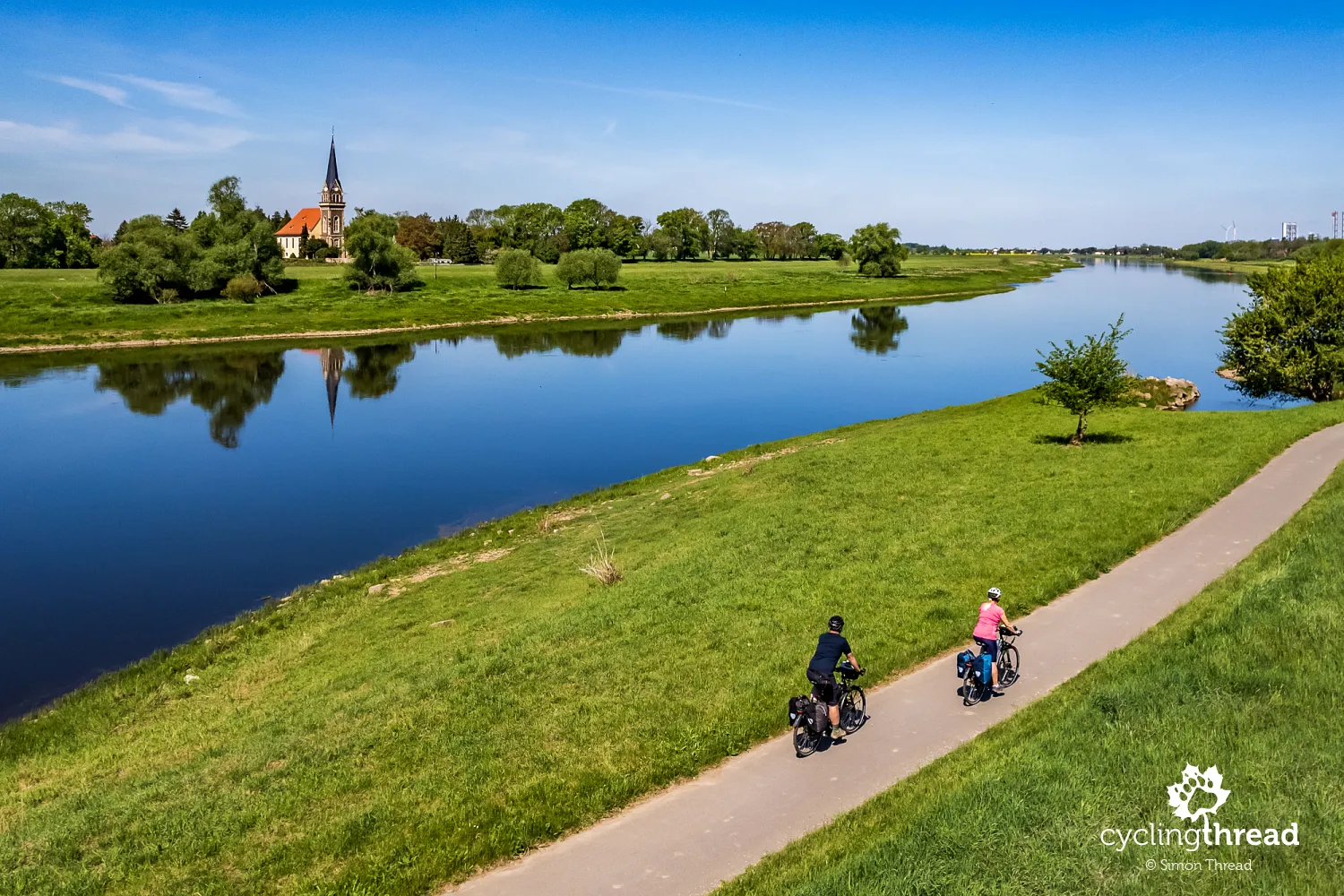
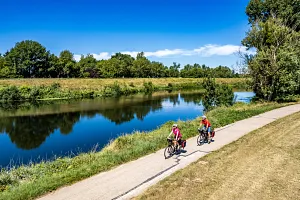
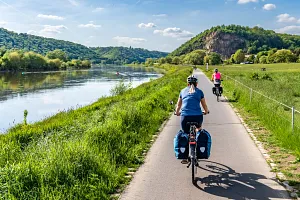
EuroVelo 7 - Germany
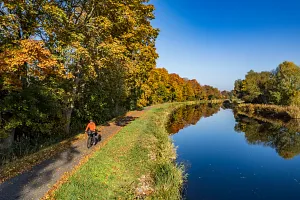
The Elberadweg is one of Germany’s most popular cycle routes and also forms part of EuroVelo 7, known as the Sun Route. In Germany, it follows the Elbe River from the Czech border, passing through Dresden and Lutherstadt Wittenberg before continuing north toward Potsdam, Berlin and the Baltic port of Rostock. Where EuroVelo 1 draws its identity from coastal scale and maritime scenery, the Elberadweg offers a more inland journey shaped by river valleys, historic cities and centuries of Central European history.
More: EuroVelo 7 - Germany
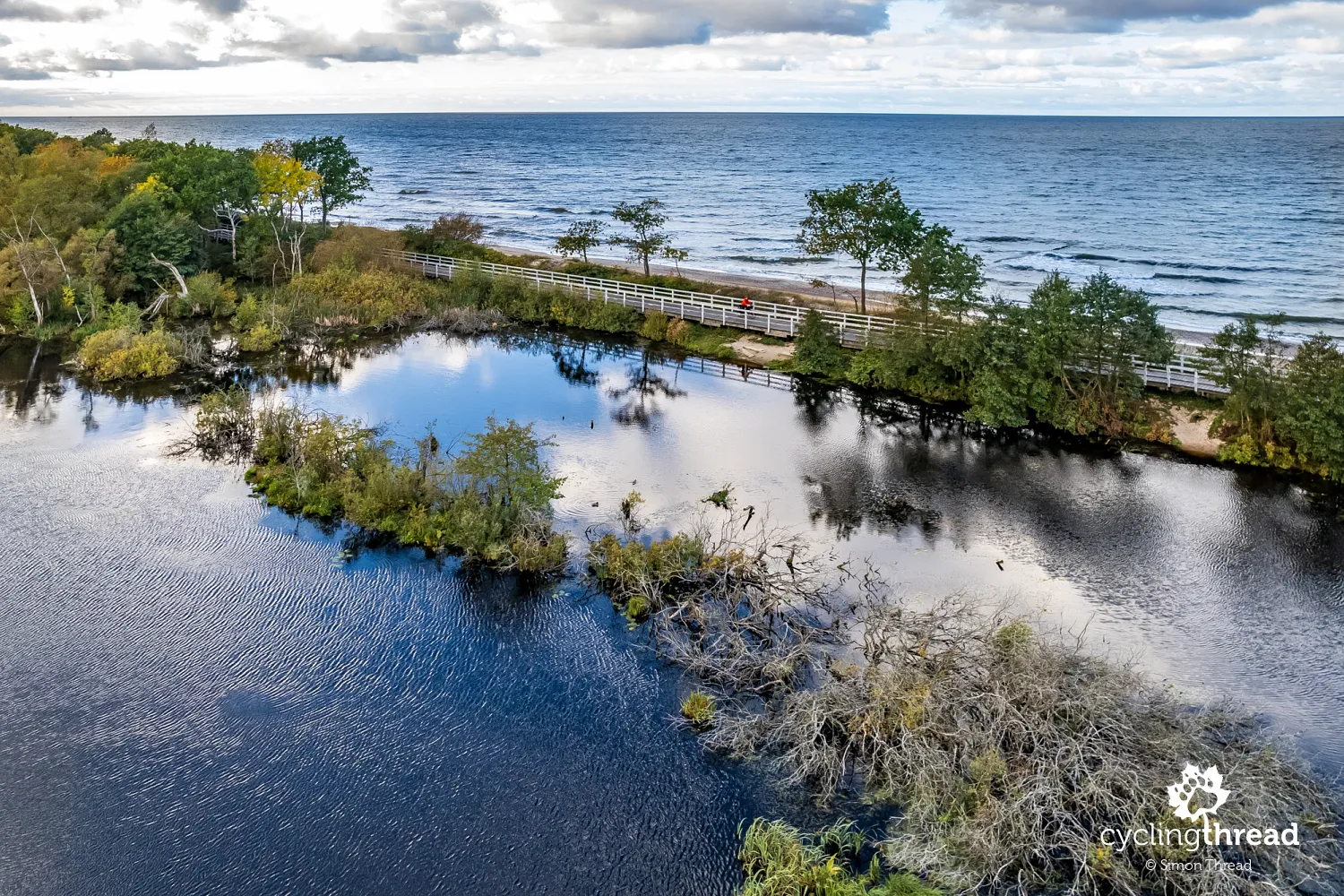
EuroVelo 10 - Poland
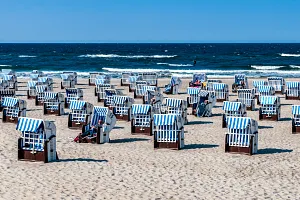
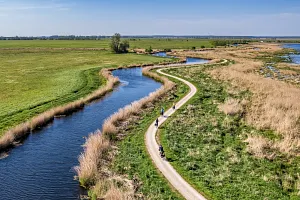
The coastal cycling route in West Pomerania stands out for its clear, maritime character, shaped by long stretches close to the Baltic Sea and a strong sense of openness. Sandy beaches, coastal forests and seaside towns define the rhythm of the ride, with frequent opportunities to leave the route and explore the coast on foot. The route shares key qualities with EuroVelo 1, where proximity to the sea and constantly changing coastal scenery are part of the experience. Rather than focusing on individual landmarks, the strength of the route lies in its continuity of travelling along a coastline.
More: EuroVelo 10 - Poland
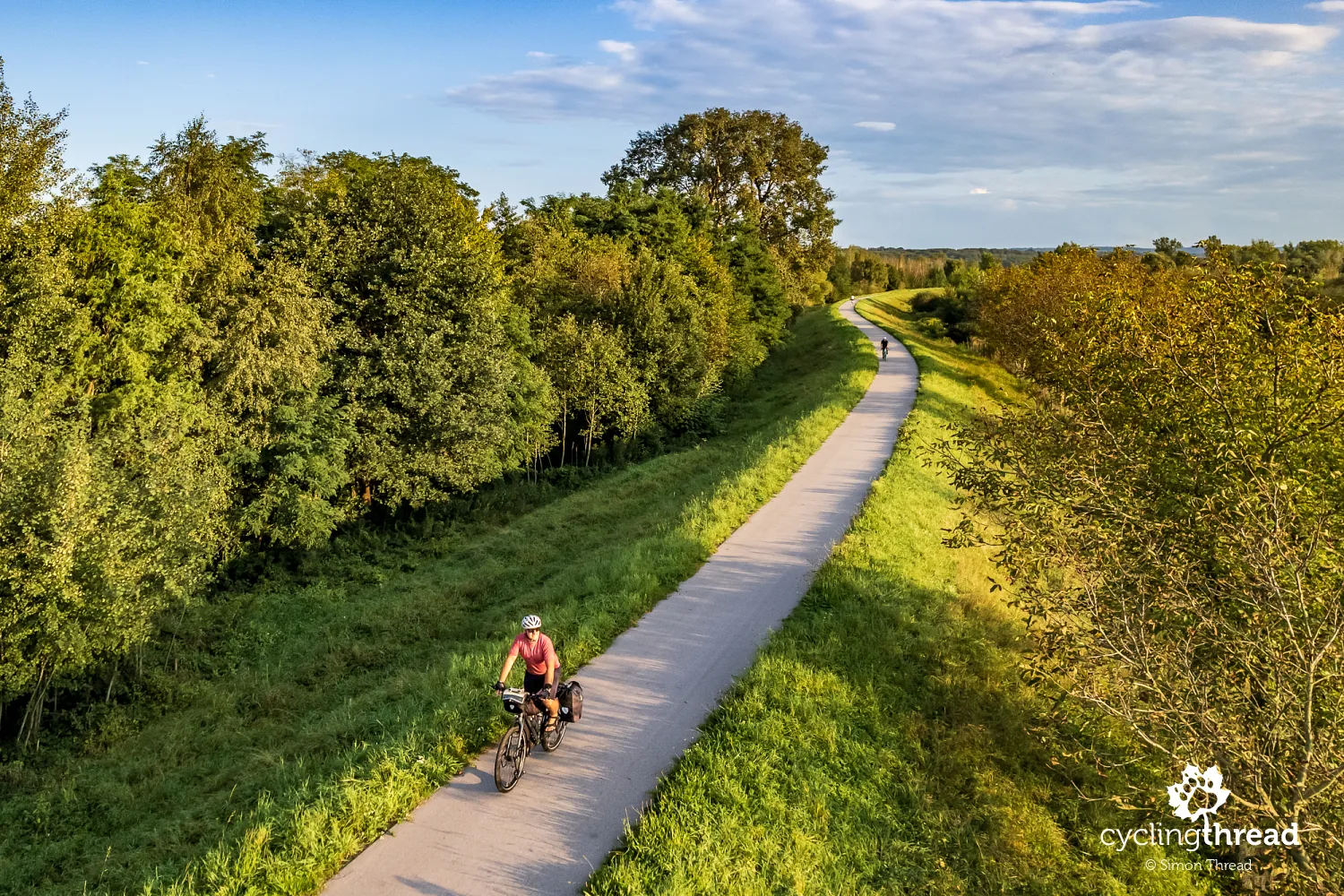
EuroVelo 11 - Poland
In Poland, EuroVelo 11 overlaps with VeloDunajec only on a short section, but together they form a clear and functional cycling corridor in the south of the country. The international north-south axis relies on new, high-quality infrastructure developed within the VeloMałopolska programme, ensuring safe and comfortable riding. This role within EuroVelo 11 places VeloDunajec firmly on the European cycling map, alongside flagship routes such as EuroVelo 1, which similarly act as structural backbones of the continental network.
More: EuroVelo 11 - Poland
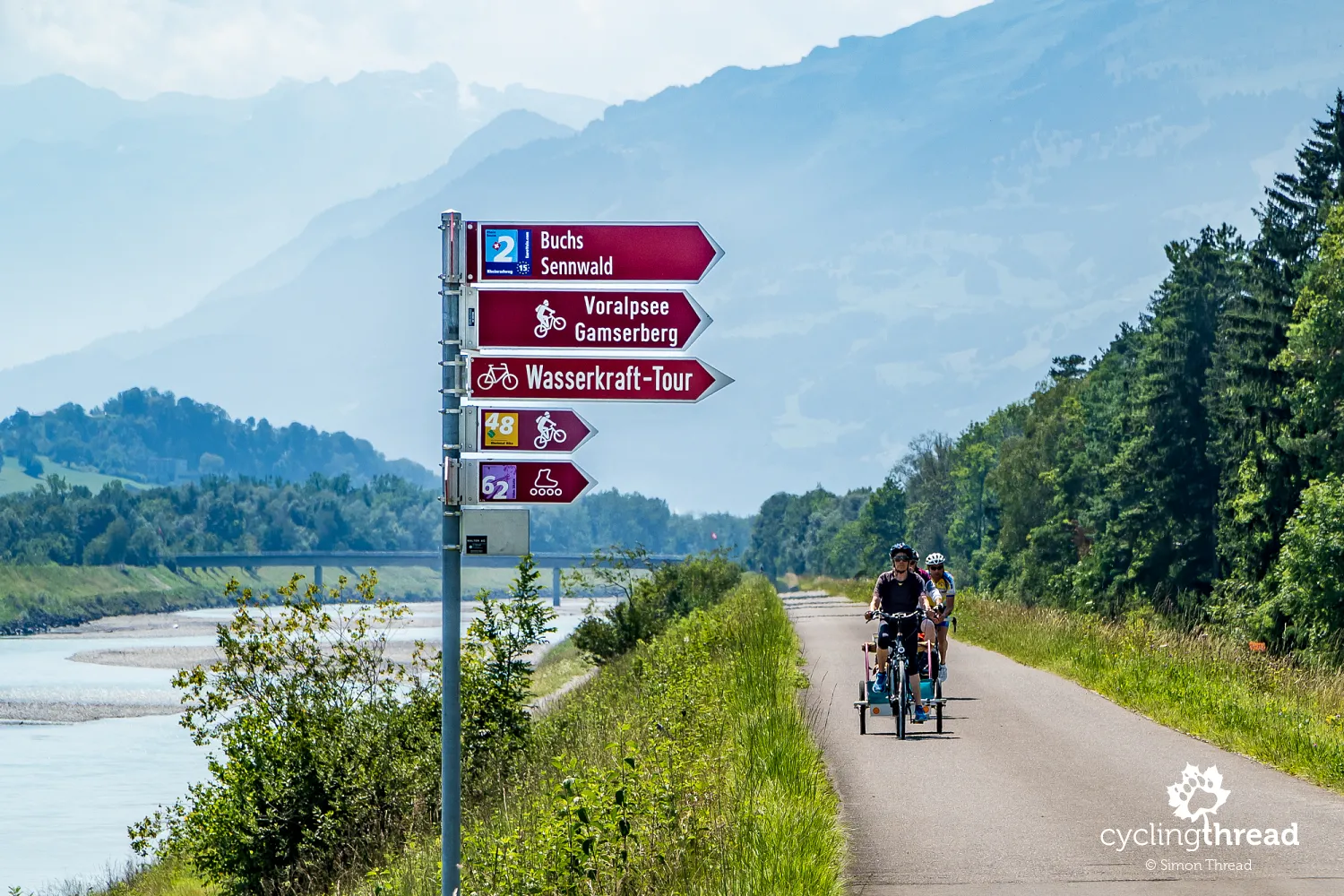
EuroVelo 15 - Switzerland
The Swiss section of the Rhine Route marks the starting point of EuroVelo 15, a trans-European journey of more than 1,200 kilometres that follows the Rhine all the way to the North Sea. The route begins in the alpine resort of Andermatt and climbs to the Oberalp Pass, close to the river’s source. In the canton of Graubünden, the Rhine flows through a broad landscape toward Lake Constance, after which the route continues along the lake’s southern shore. Like EuroVelo 1, this section shows how a single river corridor can anchor a long-distance route with a strong, clearly defined identity.
More: EuroVelo 15 - Switzerland
Back to top
Have a safe ride! 💚
Simon Thread
(Szymon Nitka)
I'm a passionate cycling traveler and the voice behind Cycling Thread. I explore Europe on two wheels, documenting the most scenic routes, inspiring places and cyclist-friendly practices. My writing blends personal experience with practical insights and a deep love of travel. I'm also a contributor to National Geographic Traveler magazine.